Just a few decades ago, conservationists feared that mountain gorillas could disappear forever. Habitat destruction, illegal hunting, political instability, and disease had pushed their numbers to dangerously low levels. Many experts believed these gentle giants were heading toward extinction unless urgent action was taken.
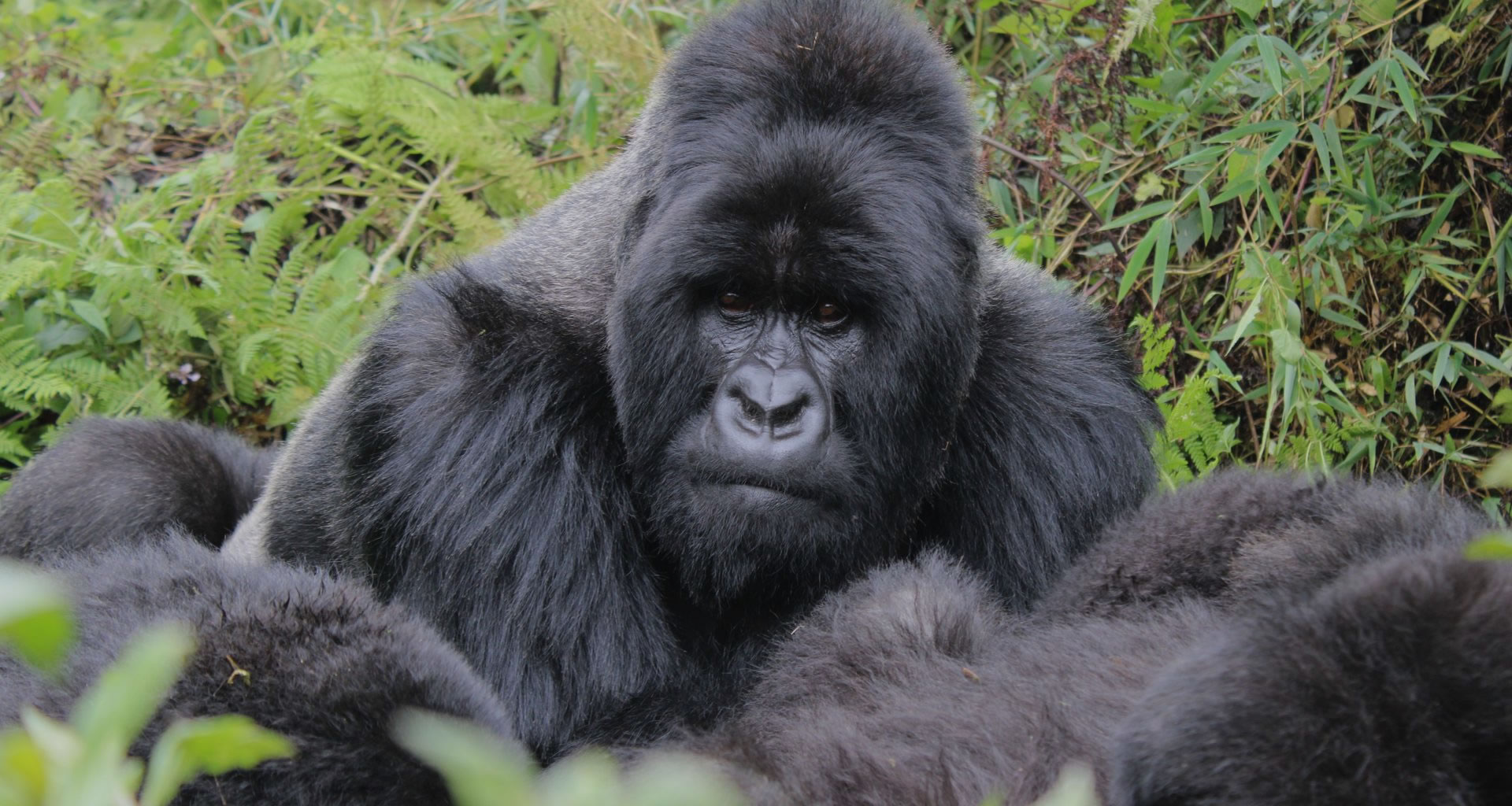
Today, that story has taken a different direction. Gorilla conservation has become one of the world’s greatest wildlife success stories. While gorillas still face serious threats, years of commitment from governments, conservation organizations, researchers, park rangers, and local communities have helped reverse what once seemed inevitable. Mountain gorillas are now the only great ape whose population continues to grow in the wild, offering hope not only for wildlife conservation but also for sustainable tourism across East Africa.
For travelers planning a gorilla trekking adventure in 2026, this success is something you become part of. Every permit purchased, every park visited, and every responsible choice made during your journey helps protect these endangered primates for future generations.
Mountain Gorillas Have Made an Extraordinary Recovery
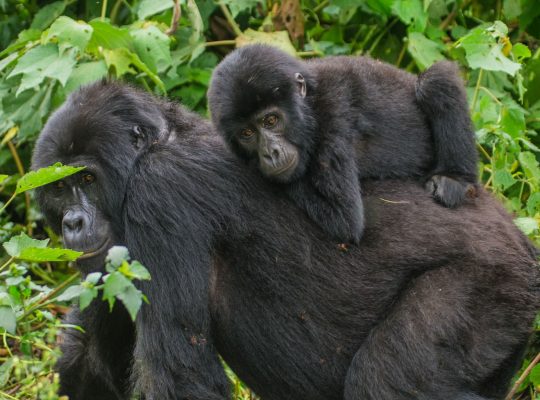
Among all gorilla subspecies, mountain gorillas represent the biggest conservation success. Their recovery has become a global example of what can happen when science, conservation, tourism, and local communities work toward the same goal.
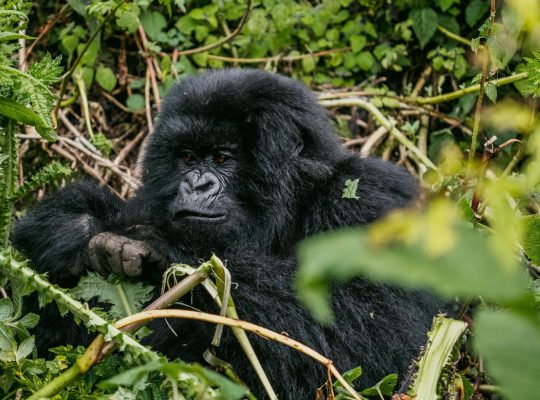
Recent wildlife surveys estimate that more than 1,000 mountain gorillas now live in the forests of Uganda, Rwanda, and the Democratic Republic of Congo. While this number may still seem small, it represents remarkable progress compared to the late twentieth century, when their future looked uncertain.
The mountain gorilla population is divided between two protected ecosystems. The Virunga Massif, shared by Uganda, Rwanda, and the Democratic Republic of Congo, is home to more than 600 individuals. Bwindi Impenetrable National Park in Uganda, together with the neighboring Sarambwe Nature Reserve in the Democratic Republic of Congo, supports another thriving population.
These encouraging numbers did not happen by chance. They are the result of decades of conservation work that continues every single day.
Conservation Is About More Than Protecting Animals
Saving mountain gorillas requires much more than protecting forests. Conservation teams work on several fronts at the same time to give gorillas the best chance of survival.
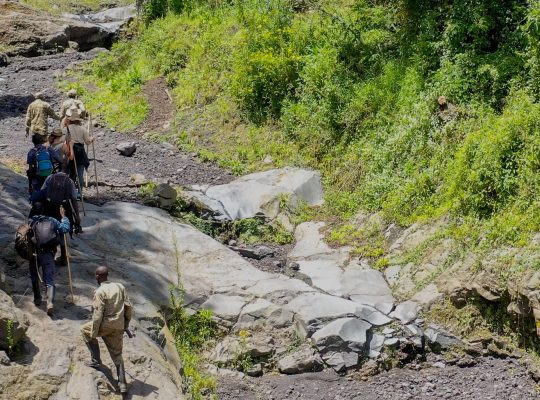
Highly trained park rangers patrol protected areas every day to remove illegal snares, prevent poaching, and monitor gorilla families. Veterinary teams provide medical care whenever gorillas become injured or sick, especially when illnesses have been passed from humans. Researchers track family movements, births, and overall health to better understand how gorilla populations are changing over time.
Equally important is the work taking place outside the forests. Conservation organizations partner with nearby communities to improve livelihoods through tourism, education, and employment. When local families benefit from protecting wildlife, forests become far more valuable standing than being cleared for farming or logging.
This balance between conservation and community development has played a major role in the recovery of mountain gorillas.
Responsible Tourism Has Changed the Future of Mountain Gorillas
Many visitors are surprised to learn that gorilla trekking is one of the strongest conservation tools available today.
Permit fees may appear expensive at first, but they provide funding that supports nearly every aspect of gorilla conservation. The money helps pay ranger salaries, maintain national parks, support veterinary care, improve infrastructure, and finance community development projects around protected areas.
Tourism also creates thousands of jobs. Guides, trackers, porters, lodge staff, drivers, craft makers, and local entrepreneurs all benefit from visitors choosing to experience gorilla trekking. This creates a direct link between healthy gorilla populations and stronger local economies.
As tourism grows responsibly, communities have even greater reasons to protect wildlife and preserve the forests that attract visitors from around the world.
Strict Gorilla Trekking Rules Protect Every Gorilla Family
The success of gorilla conservation depends on careful management of tourism. Unlike many wildlife experiences, gorilla trekking follows strict regulations designed to minimize stress on the animals.
Only eight visitors are allowed to visit each habituated gorilla family every day. Once the gorillas are located, visitors spend a maximum of one hour observing them under the supervision of experienced guides and rangers.
Guests must keep a safe distance, avoid flash photography, speak quietly, and stay home if they are showing signs of illness. Mountain gorillas share much of their DNA with humans, making them vulnerable to many of the same diseases. Even a common cold can pose a serious health risk.
These rules may seem strict, but they have become one of the main reasons gorilla tourism continues to succeed without placing unnecessary pressure on wild gorilla populations.
Uganda and Rwanda Continue to Lead Conservation Efforts
Uganda and Rwanda have become global leaders in mountain gorilla conservation. Although both countries manage their parks differently, they share the same commitment to protecting these endangered primates.
Uganda’s Bwindi Impenetrable National Park protects nearly half of the world’s mountain gorillas and continues to welcome thousands of visitors each year. Revenue generated through gorilla trekking supports conservation while improving healthcare, schools, roads, and clean water projects in surrounding communities.
Rwanda has invested heavily in conservation and sustainable tourism through Volcanoes National Park. The country’s focus on high-value, low-volume tourism allows fewer visitors to generate significant conservation funding while reducing environmental impact. Rwanda has also gained international recognition for its long-term commitment to wildlife protection and habitat management.
Together, these neighboring countries demonstrate how tourism can support conservation while creating meaningful economic opportunities.
Other Gorilla Species Still Need Protection
While mountain gorillas offer hope, other gorilla populations continue to face major challenges.
Western lowland gorillas remain the most numerous gorilla subspecies, yet their numbers have declined sharply because of habitat destruction, illegal hunting, and disease outbreaks such as Ebola. Conservation organizations continue to strengthen anti-poaching patrols, expand protected areas, and develop eco-tourism projects across Central Africa.
Grauer’s gorillas, also known as eastern lowland gorillas, remain critically endangered. Community conservation projects and rescue centers have helped rehabilitate orphaned gorillas, while protected forests continue to provide important habitat for the remaining wild populations.
Cross River gorillas are the rarest gorilla subspecies, with fewer than 300 individuals believed to survive in scattered forests along the Nigeria and Cameroon border. Conservation teams are working closely with local communities to reduce hunting, restore forest corridors, and monitor these elusive animals using camera traps and field surveys.
These efforts remind us that conservation is an ongoing commitment rather than a completed mission.
How Every Traveler Can Make a Difference
Choosing a responsible tour operator is one of the easiest ways travelers can support gorilla conservation. Ethical safari companies work closely with wildlife authorities, employ local guides, and follow park regulations that place animal welfare above visitor numbers.
Visitors can also make a positive impact by respecting every trekking rule, avoiding single-use plastics during their trip, purchasing locally made crafts, and supporting community tourism projects. Even hiring a local porter contributes directly to household incomes while creating stronger community support for conservation.
Many organizations also offer opportunities to donate toward ranger welfare, veterinary care, education programs, and forest restoration. These contributions help strengthen the work already taking place across the region.
A Conservation Story That Continues to Inspire
The recovery of mountain gorillas proves that conservation can succeed when governments, scientists, conservation organizations, local communities, and responsible travelers work together. Few wildlife stories have shown such encouraging progress over the past several decades.
Yet this success should never be taken for granted. Mountain gorillas remain endangered, and continued protection is essential if future generations are to experience them in the wild. Responsible tourism remains one of the strongest tools available for securing their future.
When you stand quietly in the forests of Bwindi or Volcanoes National Park and watch a gorilla family interact, you are witnessing far more than a wildlife encounter. You are seeing the result of decades of dedication, sacrifice, and international cooperation. Every responsible traveler who joins a gorilla trek becomes part of that story, helping ensure that one of Africa’s greatest conservation achievements continues well beyond 2026.