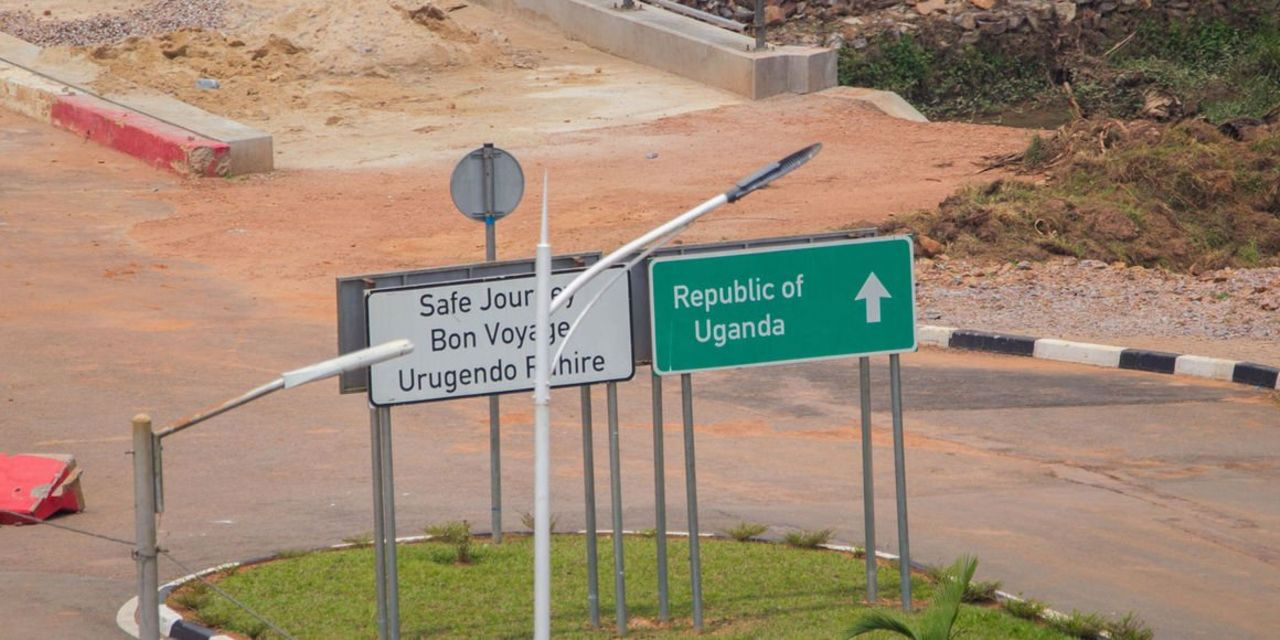
A safari through Uganda and Rwanda is one of the most rewarding ways to experience East Africa. These neighboring countries offer incredible wildlife, breathtaking scenery, and unforgettable encounters with endangered mountain gorillas. While each destination has its own unique attractions, combining them into one itinerary allows travelers to experience much more than a single-country safari.
One day you could be hiking through the misty forests of Volcanoes National Park in Rwanda, and a few days later you could be cruising along the Kazinga Channel in Uganda while elephants, buffaloes, and hippos gather along the shoreline. You can track chimpanzees through tropical forests, relax beside peaceful crater lakes, and finish your journey with classic game drives across wide savannahs.
Planning a multi-country safari may sound complicated, but with the right preparation it can be surprisingly straightforward. Understanding permits, border crossings, transportation, and the best travel routes allows you to enjoy your adventure without unnecessary stress.
Why Combine Uganda and Rwanda?
Uganda and Rwanda complement each other perfectly. Although they share the same mountain gorilla population within the Virunga ecosystem, the experiences each country offers are quite different.
Rwanda is known for its excellent tourism infrastructure, luxury lodges, and easy access to Volcanoes National Park from Kigali. Visitors can reach the park within a few hours of arriving, making Rwanda an excellent option for travelers with limited time.
Uganda offers greater variety. Alongside gorilla trekking in Bwindi Impenetrable National Park and Mgahinga Gorilla National Park, visitors can explore national parks filled with elephants, lions, giraffes, chimpanzees, hippos, crocodiles, and hundreds of bird species. Uganda also provides more gorilla permits at a lower cost, making it attractive for travelers looking to extend their safari.
Together, these countries create an itinerary that combines rainforest adventures with classic African wildlife safaris.
Choose the Best Time to Travel
The dry seasons remain the best time to visit both Uganda and Rwanda. June through September and December through February provide the most comfortable conditions for gorilla trekking and game viewing.
Forest trails are generally less muddy, making gorilla and chimpanzee trekking easier. Wildlife is also easier to spot in the national parks as animals gather around rivers and water sources during the drier months.
These periods are also the busiest times of the year. Gorilla permits and popular safari lodges often sell out several months in advance, especially during July and August. Booking early gives you the widest choice of permits and accommodation.
Travel during the rainy seasons is still possible and often comes with lower accommodation rates, although hiking conditions become more challenging.
Organize Your Travel Documents Early
One of the first steps in planning your safari is making sure your travel documents are ready.
Many travelers choose the East Africa Tourist Visa because it allows travel between Uganda, Rwanda, and Kenya using a single visa. This is especially useful if your journey includes more than one country. Remember that you must enter through the country that issued your visa.
Your passport should remain valid for at least six months beyond your travel dates and contain enough blank pages for immigration stamps.
Travelers should also carry an original yellow fever vaccination certificate, as it may be requested when entering Uganda or crossing land borders between countries.
Having digital and printed copies of your travel documents, accommodation bookings, travel insurance, and safari confirmations provides extra peace of mind throughout the journey.
Decide What You Want to Experience
Every traveler has different priorities, and your itinerary should reflect what interests you most.
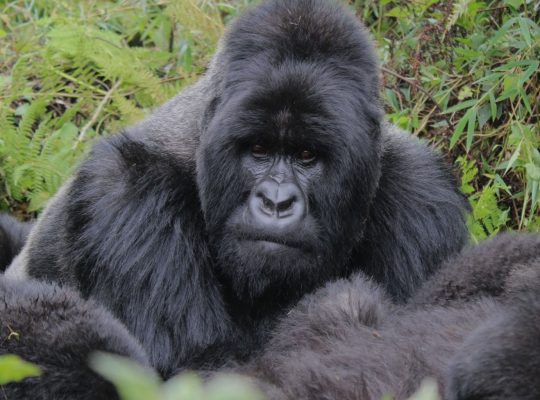
If seeing mountain gorillas is your main goal, you may decide to trek once in Rwanda and once in Uganda to experience two different forests and gorilla families. Some travelers prefer to complete a single trek and spend more time exploring Uganda’s national parks.
Chimpanzee trekking in Kibale Forest National Park is another popular addition. The energetic behavior of chimpanzees offers a completely different wildlife experience compared to gorillas.
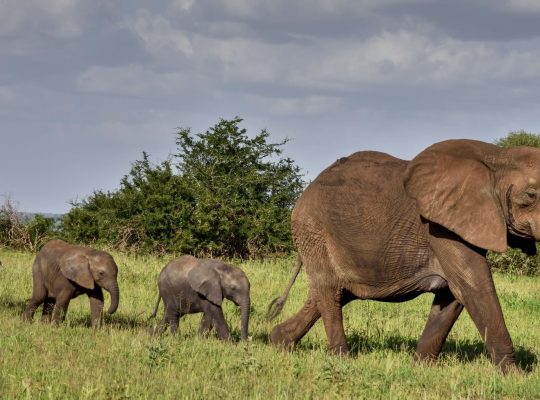
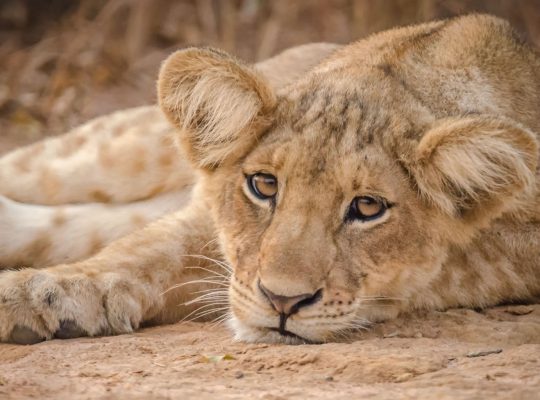
Game drives in Queen Elizabeth National Park introduce visitors to elephants, buffaloes, leopards, antelopes, and the famous tree-climbing lions found in the Ishasha sector. Boat cruises along the Kazinga Channel provide excellent opportunities to observe wildlife from the water.
Adding a few days at Lake Bunyonyi or Lake Mutanda creates the perfect opportunity to relax after the physically demanding gorilla treks.
A Sample 10-Day Uganda and Rwanda Safari
A well-balanced itinerary gives you enough time to enjoy each destination without constantly rushing between parks.
Begin your adventure in Kigali, Rwanda, and spend your first night relaxing after your international flight. The following day, travel to Volcanoes National Park and prepare for your gorilla trekking experience.
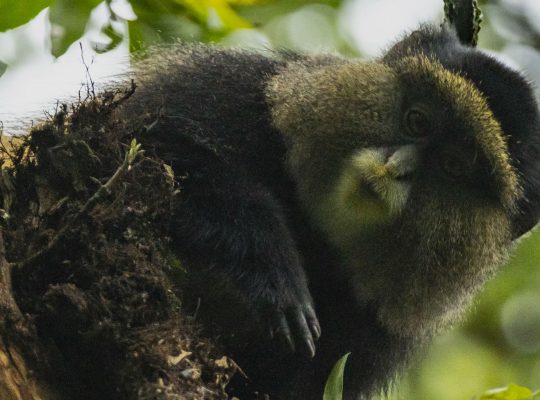
After your trek, you can choose to visit the golden monkeys or spend another day exploring the volcanic landscape before crossing into Uganda through the Cyanika border.
Continue to Bwindi Impenetrable National Park, where you can experience a second gorilla trek or enjoy guided forest walks and birdwatching. From Bwindi, travel north to Queen Elizabeth National Park for traditional game drives and a boat safari along the Kazinga Channel.
If your schedule allows, continue to Kibale National Park for chimpanzee trekking before finishing your safari in Entebbe. Travelers with shorter itineraries can return to Kigali instead, depending on their flight arrangements.
This route minimizes unnecessary driving while allowing you to experience the highlights of both countries.
Book Gorilla Permits as Early as Possible
Gorilla permits are the most important part of planning your safari.
Uganda and Rwanda issue only a limited number of permits each day to protect the gorilla families. During the dry season, permits can sell out many months before travel dates.
Booking six to twelve months in advance is recommended, particularly if you have fixed vacation dates or wish to visit a specific gorilla family.
Your safari operator can usually arrange permits as part of a complete package, saving you the time and complexity of coordinating multiple reservations yourself.
Choose the Right Tour Operator
A professional safari company can make a significant difference to your overall experience.
Experienced operators coordinate gorilla permits, accommodation, transportation, border crossings, park entry fees, and local guides. This allows you to focus entirely on enjoying your safari instead of worrying about logistics.
Look for operators with strong reviews, experienced guides, reliable vehicles, and clear communication throughout the booking process. Companies that specialize in Uganda and Rwanda safaris are often best equipped to manage cross-border travel efficiently.
Pack for Different Environments
Uganda and Rwanda offer diverse landscapes, so packing for changing conditions is important.
Lightweight clothing in neutral colors works well for game drives, while long sleeves and trousers help protect against insects during forest treks. Waterproof hiking boots are essential for gorilla trekking, even during the dry season, as rainforest conditions can change quickly.
A waterproof jacket, hat, sunscreen, insect repellent, binoculars, reusable water bottle, camera, and small daypack should all be included in your luggage.
Morning temperatures in the highlands can be surprisingly cool, so carrying a warm fleece or light jacket will keep you comfortable during early departures.
Make Time to Relax
Many travelers try to fit too much into a short itinerary. Gorilla trekking can involve several hours of hiking through steep forest terrain, making rest days an important part of your journey.
Staying beside Lake Bunyonyi or Lake Mutanda provides a peaceful break between activities. Both lakes offer beautiful scenery, comfortable lodges, canoe trips, and quiet surroundings that allow you to recharge before continuing your safari.
Including a little flexibility in your schedule also helps if weather conditions affect travel plans or if you simply want extra time to enjoy a particular destination.
A Journey You’ll Never Forget
A safari through Uganda and Rwanda offers far more than wildlife sightings. It combines ancient rainforests, volcanic landscapes, traditional savannahs, welcoming communities, and some of the world’s most successful conservation stories into one unforgettable journey.
Watching a mountain gorilla family in the forests of Bwindi or Volcanoes National Park is an experience that stays with travelers for a lifetime. Pair that with chimpanzee trekking, boat safaris, game drives, scenic lakes, and cultural encounters, and you have one of Africa’s most complete safari experiences.
With careful planning, early permit reservations, and the support of an experienced safari operator, exploring both Uganda and Rwanda can be smooth, enjoyable, and deeply rewarding. Rather than worrying about logistics, you’ll spend your time creating memories that will remain long after your safari comes to an end.