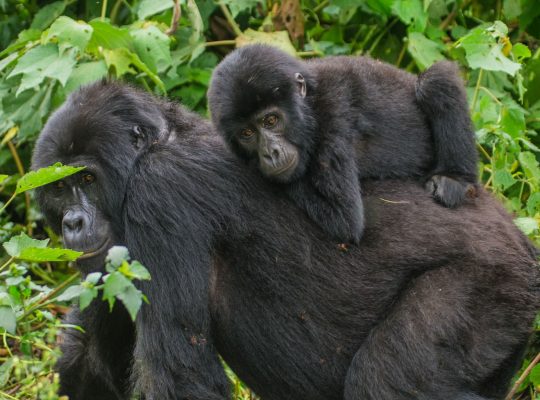
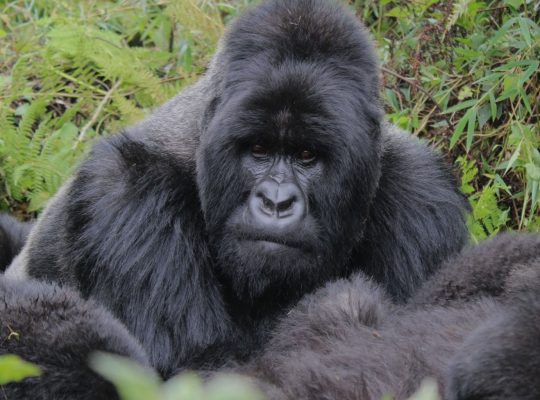
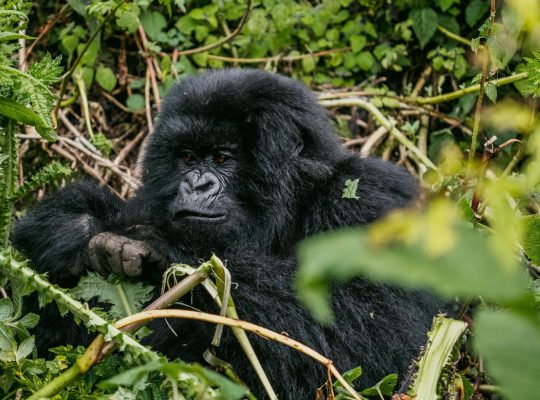
Watching mountain gorillas in the wild is one of Africa’s most remarkable wildlife experiences. There are few moments that compare to standing quietly in a rainforest while a silverback watches over his family just a few meters away. It is an encounter that feels personal, not because the gorillas perform for visitors, but because you are witnessing their daily lives exactly as they happen.
Mountain gorillas are found in only three countries: Uganda, Rwanda, and the Democratic Republic of Congo. Their total population remains small, making every conservation effort important. Gorilla trekking has become one of the biggest success stories in African tourism because the money generated from permits helps protect these endangered primates, supports local communities, and funds park management.
If you are planning to visit during the gorilla trekking peak season, preparation is just as important as choosing the right destination. The most popular travel months attract visitors from around the world, which means permits can sell out months in advance. Knowing when to book, where to trek, and what to expect will help you enjoy the experience from the moment you arrive.
When Is the Gorilla Trekking Peak Season?
The best time for gorilla trekking is during the dry seasons, which run from June to September and from December to February. These months are often referred to as the peak season because they offer the most comfortable trekking conditions. The forest still receives rainfall, but the trails are generally less slippery, making long hikes more manageable.
Peak season is also the busiest time of year. Travelers visiting East Africa often combine gorilla trekking with classic safari experiences such as game drives, chimpanzee trekking, or cultural tours. Because only a limited number of permits are issued each day, demand rises quickly, especially during school holidays and festive periods. If you have fixed travel dates, booking your permits six to twelve months in advance is strongly recommended.
Uganda or Rwanda: Which Destination Should You Choose?
Both Uganda and Rwanda offer unforgettable gorilla trekking experiences, but each destination appeals to different types of travelers.
Uganda is often the first choice for visitors looking for value without sacrificing the quality of the experience. Bwindi Impenetrable National Park is home to nearly half of the world’s mountain gorilla population and has the largest number of habituated gorilla families available for trekking. The park is divided into several sectors, giving visitors more flexibility when selecting permits and accommodation. Uganda is also home to Mgahinga Gorilla National Park, which offers a quieter trekking experience surrounded by the dramatic Virunga volcanoes.
Rwanda, on the other hand, is known for convenience and luxury. Volcanoes National Park is only a few hours’ drive from Kigali International Airport, allowing visitors to reach the park without long road transfers. The country has invested heavily in tourism infrastructure, making it an excellent choice for travelers seeking luxury lodges and shorter travel times. While Rwanda charges more for permits, many visitors appreciate the comfort and accessibility that come with the higher price.
Gorilla Trekking Permits
A gorilla trekking permit is required for every visitor, and no one is allowed to enter the forest without one. The number of permits available each day is strictly controlled to protect the gorillas from unnecessary human contact. Only eight visitors are assigned to each habituated gorilla family, helping to reduce stress on the animals while creating a more personal experience for guests.
Permit prices vary between countries. Uganda currently charges around USD 800 for foreign non-residents, while Rwanda charges about USD 1,500. Although the permits may seem expensive, they contribute directly to conservation, anti-poaching patrols, veterinary care, scientific research, and community development projects surrounding the parks. Every permit purchased plays a part in protecting mountain gorillas for future generations.
How Physically Demanding Is Gorilla Trekking?
One of the biggest concerns many travelers have is whether they are fit enough for gorilla trekking. The good news is that you do not need to be an experienced hiker to take part. Treks vary every day because the gorillas move freely through the forest. Some groups are located within an hour of the park headquarters, while others require several hours of hiking through steep terrain.
The trails can be muddy, uneven, and covered with thick vegetation. Walking uphill at high altitude also requires extra effort, even for people who exercise regularly. Preparing with regular walks, climbing stairs, or hiking local trails a few weeks before your trip can make the experience much more comfortable. Hiring a porter is another excellent decision. Besides carrying your backpack, they can offer support on difficult sections of the trail while earning income that directly benefits the local community.
What Should You Pack?
Packing properly will make your gorilla trekking adventure much more comfortable. Long-sleeved shirts and long trousers protect your skin from stinging plants, branches, and insects found in the forest. Neutral-colored clothing is recommended because it blends naturally with the environment, while camouflage clothing should be avoided.
A good pair of waterproof hiking boots is one of the most important items you can bring. The trails are often muddy even during the dry season, and sturdy boots provide the grip needed for steep slopes. A lightweight rain jacket should always be included since weather conditions in the mountains can change quickly.
Carry a small backpack with drinking water, snacks, insect repellent, sunscreen, a camera, extra batteries, and any personal medication. Most visitors also carry gardening gloves to protect their hands when holding onto branches during steep climbs. Packing light makes the trek easier, especially if you plan to carry your own bag.
What Happens During the Trek?
Your day begins early at the park headquarters, where guides conduct a briefing before assigning visitors to different gorilla families. During this session, you’ll learn the rules that protect both visitors and the gorillas. Experienced trackers head into the forest ahead of each group and communicate the location of the gorillas to the guides.
Once the trek begins, there is no fixed route. Guides follow the latest information from the trackers, which means every trek is different. Some visitors reach the gorillas quickly, while others spend several hours hiking through dense rainforest before finding them.
The reward comes the moment you arrive. You are given one unforgettable hour to observe the gorilla family as they feed, groom one another, play, or simply rest in the forest. It is a quiet experience where visitors are encouraged to remain calm, follow their guide’s instructions, and appreciate the privilege of watching one of the world’s rarest animals in its natural home.
A Journey That Supports Conservation
Gorilla trekking is much more than a wildlife activity. Every visit contributes to the survival of mountain gorillas and the forests they call home. Revenue from tourism provides employment for local communities, supports conservation programs, and encourages people living near the parks to protect wildlife rather than exploit it.
For many travelers, the memories of seeing mountain gorillas remain long after the trip has ended. The experience offers a deeper understanding of conservation and a genuine appreciation for the work being done to protect these endangered primates. If you plan your trip well, secure your permits early, and arrive prepared for the hike, gorilla trekking during the peak season will almost certainly become one of the highlights of your travels through East Africa.