Uganda has always been one of Africa’s best-kept safari secrets. While neighboring Kenya and Tanzania have traditionally attracted the largest share of safari visitors, Uganda has quietly built a reputation as a destination that offers something different. Travelers are discovering a country where mountain gorillas live in ancient rainforests, lions climb trees, chimpanzees swing through tropical forests, and the mighty Nile River begins its long journey north.
That growing interest is reflected in the numbers. Uganda welcomed more than 1.3 million international visitors in 2024, generating record tourism earnings and confirming the country’s position as one of Africa’s fastest-growing tourism destinations. More visitors are choosing Uganda not simply because of its wildlife, but because it offers a combination of adventure, authenticity, and conservation that is becoming increasingly difficult to find elsewhere.
For anyone planning an African safari in 2026, Uganda’s national parks deserve serious consideration.
Gorilla Trekking Continues to Lead Uganda’s Tourism Growth
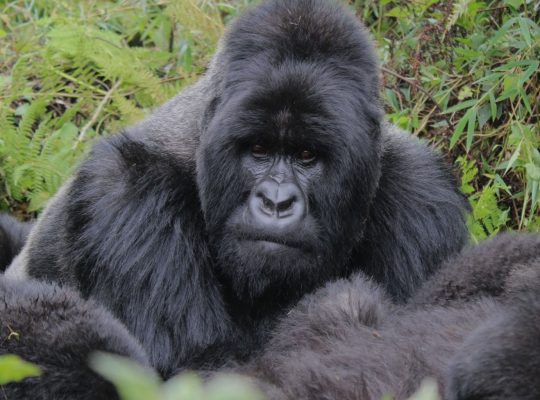
When people think about Uganda, mountain gorillas are often the first attraction that comes to mind. Bwindi Impenetrable National Park and Mgahinga Gorilla National Park protect nearly half of the world’s remaining mountain gorillas, making Uganda one of the few places where visitors can observe these remarkable primates in their natural habitat.
Gorilla trekking is unlike any traditional safari. Instead of searching for wildlife from a vehicle, visitors hike through dense rainforest alongside experienced guides and trackers until they locate a habituated gorilla family. Spending one hour with these gentle giants is often described as one of the most emotional wildlife encounters in the world.
Uganda has become especially attractive because it offers more gorilla trekking permits than neighboring Rwanda while remaining a more affordable option for many international travelers. This combination of accessibility and value continues to attract visitors looking for an unforgettable wildlife experience.
One Country, Many Different Safari Experiences
Uganda’s biggest advantage is its diversity. Few countries in Africa allow travelers to experience such a wide variety of wildlife and landscapes within a single itinerary.
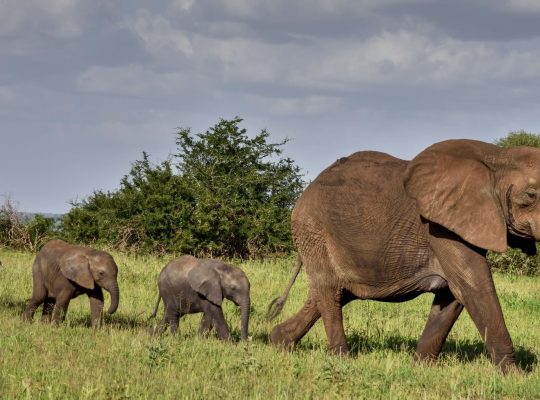
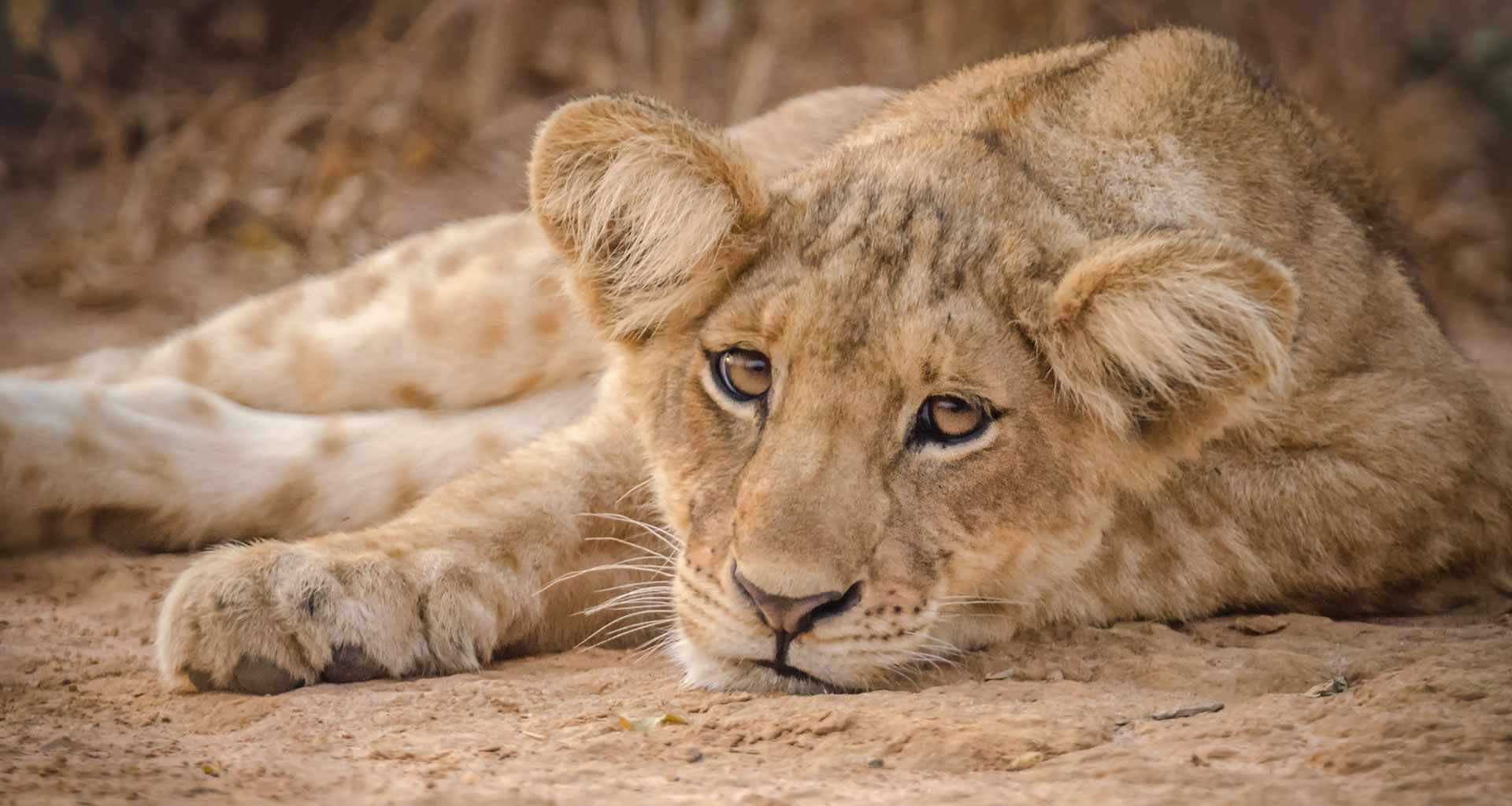
Queen Elizabeth National Park is famous for its tree-climbing lions, a rare behavior seen in only a handful of places worldwide. The park is also home to elephants, buffaloes, leopards, hippos, crocodiles, and hundreds of bird species. Boat cruises along the Kazinga Channel provide exceptional wildlife viewing, often bringing visitors remarkably close to animals gathering along the shoreline.
Murchison Falls National Park offers a completely different safari experience. Here, the Victoria Nile squeezes through a narrow gorge before crashing down with tremendous force, creating one of Africa’s most spectacular waterfalls. Game drives across the northern plains reveal giraffes, elephants, lions, buffaloes, antelopes, and many other species, while boat safaris provide excellent opportunities to see hippos and crocodiles from the water.
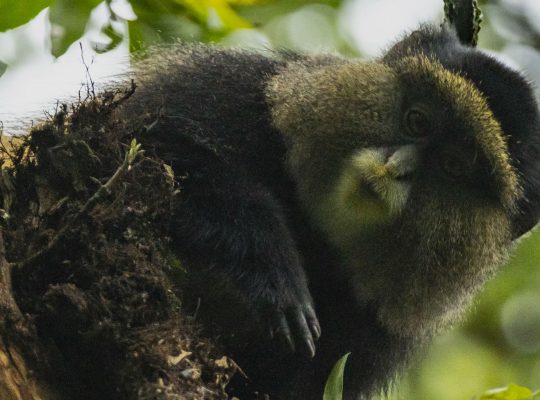
Kibale National Park has earned international recognition as one of Africa’s finest chimpanzee trekking destinations. Visitors can spend time observing wild chimpanzees while also encountering several other primate species that inhabit the forest.
Far to the northeast, Kidepo Valley National Park offers one of Africa’s last truly remote wilderness experiences. Its dramatic landscapes, low visitor numbers, and abundant wildlife appeal to travelers seeking a quieter safari away from the more popular parks.
Lake Mburo National Park completes Uganda’s diverse wildlife offering with walking safaris, horseback safaris, cycling tours, and boat cruises that provide a different perspective on the country’s wildlife.
Conservation Is Creating Long-Term Success
Uganda’s tourism growth has been closely linked to conservation. The country’s national parks are managed with the understanding that protecting wildlife creates lasting benefits for both nature and local communities.
Mountain gorilla conservation is one of Uganda’s greatest achievements. Revenue generated through gorilla trekking permits supports anti-poaching patrols, veterinary care, scientific research, habitat protection, and ranger operations. These efforts have helped mountain gorilla populations recover steadily over recent decades, making them one of the few great ape populations showing positive growth.
Communities living near protected areas also benefit through employment opportunities, revenue-sharing programs, community tourism initiatives, and improved local infrastructure. When tourism directly supports local livelihoods, wildlife becomes an important economic asset that people are motivated to protect.
This relationship between conservation and tourism has become one of Uganda’s strongest selling points for environmentally conscious travelers.
Better Roads, Better Lodges, Better Experiences
Uganda has invested heavily in improving the visitor experience over the past several years. Better roads connecting major tourism destinations have reduced travel times between national parks, making multi-park safaris easier than ever before.
Accommodation has also expanded significantly. Visitors can now choose from luxury safari lodges, comfortable mid-range camps, boutique eco-lodges, and affordable accommodation, allowing Uganda to appeal to a wider range of travelers.
Park facilities continue to improve as well. Better visitor centers, upgraded trails, improved signage, and enhanced conservation infrastructure all contribute to a smoother safari experience while maintaining the natural character of the parks.
These improvements encourage visitors to stay longer, explore more destinations, and contribute more to the local tourism economy.
Uganda Is Receiving More Global Recognition
Uganda’s growing popularity has not happened by accident. Tourism authorities have invested in promoting the country across international markets through campaigns that highlight its wildlife, landscapes, culture, and adventure opportunities.
International travel publications have increasingly featured Uganda among Africa’s top destinations, introducing millions of potential visitors to experiences that extend well beyond traditional game drives. Stunning photography of mountain gorillas, the Rwenzori Mountains, the source of the Nile, and Uganda’s national parks has helped reshape the country’s image on the global tourism stage.
As more travelers share their experiences online, Uganda continues to benefit from positive word-of-mouth recommendations that inspire others to visit.
There Is More to Uganda Than Wildlife
Although wildlife remains the country’s biggest attraction, many visitors are surprised by the range of experiences available beyond safari.
Birdwatchers travel to Uganda in search of more than 1,000 recorded bird species, making it one of Africa’s premier birding destinations. Adventure travelers explore the Nile through white-water rafting, kayaking, and boat cruises, while hikers tackle the snow-capped Rwenzori Mountains or hike extinct volcanoes in the southwest.
Cultural tourism is also growing. Visitors can learn about traditional kingdoms, visit local communities, experience cultural performances, and explore craft markets that showcase Uganda’s rich heritage. These experiences allow travelers to connect with the country beyond its wildlife and create a more complete journey.
Challenges Remain as Tourism Continues to Grow
Growing visitor numbers also bring new responsibilities. Popular attractions such as gorilla trekking must continue to balance tourism with conservation to avoid placing unnecessary pressure on wildlife. Strict visitor limits, health guidelines, and carefully managed trekking programs remain essential for protecting endangered mountain gorillas.
Infrastructure development must also keep pace with increasing demand while preserving the natural environment. Human-wildlife conflict, illegal poaching, habitat loss, and invasive species continue to require constant attention from conservation authorities and local communities.
Uganda’s continued success will depend on maintaining this careful balance between welcoming more visitors and protecting the natural resources that attract them.
Why Uganda Should Be on Your Safari List
Uganda offers something that many travelers are searching for today: genuine wildlife encounters in landscapes that still feel wild and uncrowded. Whether you dream of standing quietly before a mountain gorilla family in Bwindi, watching tree-climbing lions in Queen Elizabeth National Park, cruising beneath Murchison Falls, or tracking chimpanzees through Kibale Forest, every journey feels personal and rewarding.
The country’s combination of exceptional biodiversity, successful conservation programs, improving tourism infrastructure, and warm hospitality continues to attract visitors from around the world. Unlike destinations where a single attraction dominates the itinerary, Uganda allows travelers to experience primates, classic African wildlife, spectacular scenery, cultural heritage, and outdoor adventure within one trip.
As international interest continues to grow, Uganda is steadily establishing itself as one of Africa’s leading safari destinations. For travelers looking beyond the traditional safari circuit, its national parks offer the perfect combination of wildlife, conservation, and authentic adventure, making 2026 an excellent time to discover why so many visitors are choosing the Pearl of Africa.