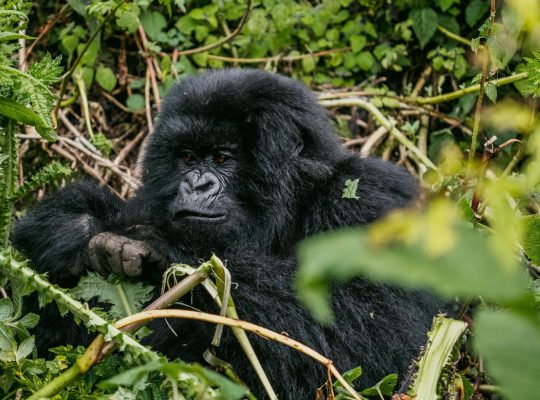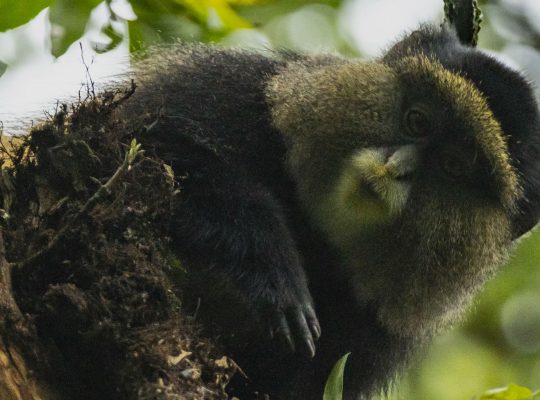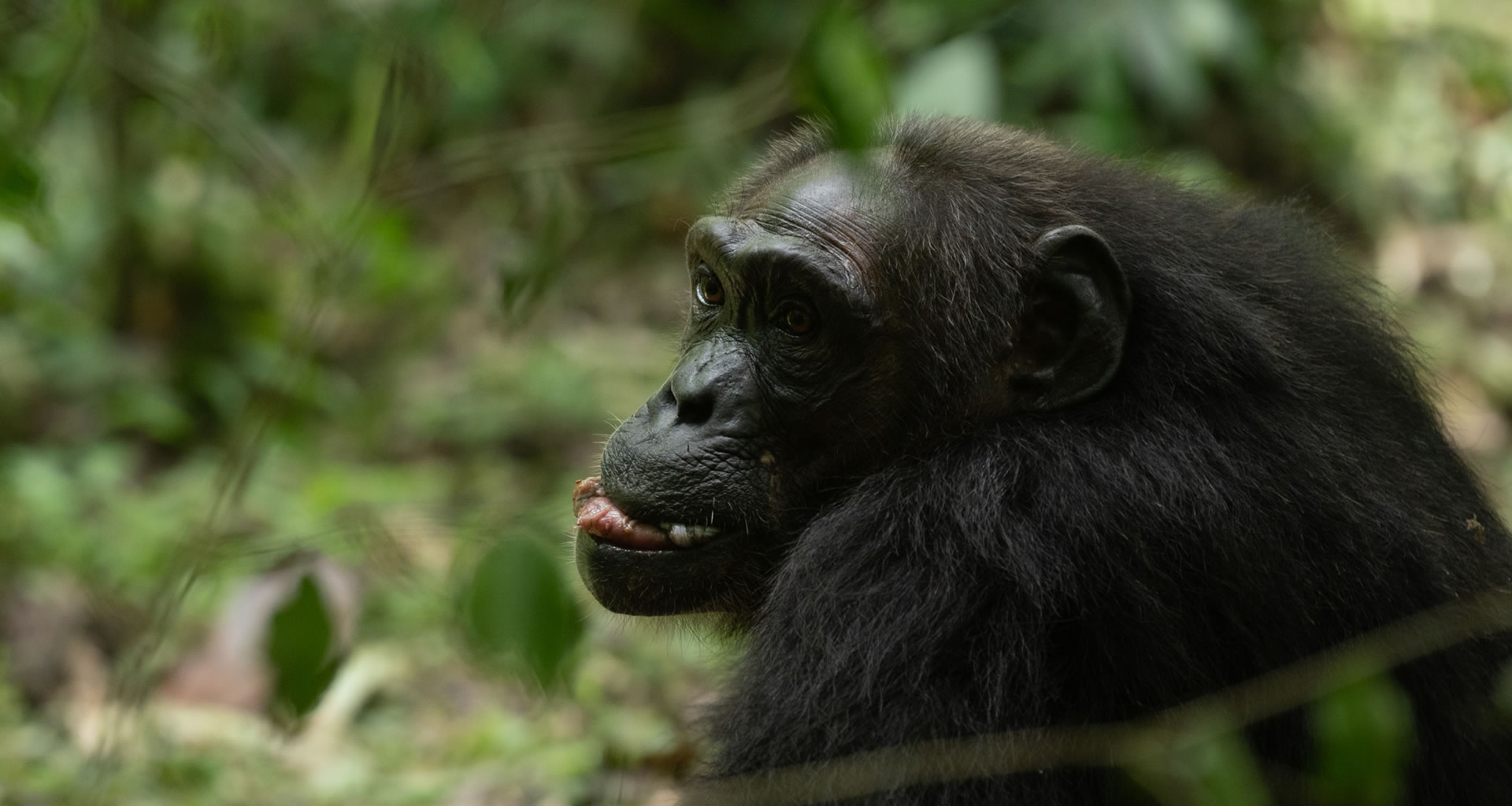
Chimpanzee tracking is one of East Africa’s most rewarding wildlife experiences. While many visitors arrive dreaming of seeing lions, elephants, or mountain gorillas, spending time with wild chimpanzees often becomes the highlight of the entire trip. Their intelligence, energy, and social behavior create an encounter that feels remarkably personal.
Unlike a traditional safari where animals are usually observed from a vehicle, chimpanzee tracking takes you deep into ancient rainforests. Guided by experienced trackers, you walk beneath towering trees while listening for distant calls echoing through the forest. Every step builds anticipation until you finally discover a troop moving through the canopy or resting on the forest floor.
For travelers who want more than wildlife photography, chimpanzee tracking offers a rare opportunity to witness behaviors that closely resemble our own.
Our Closest Living Relatives
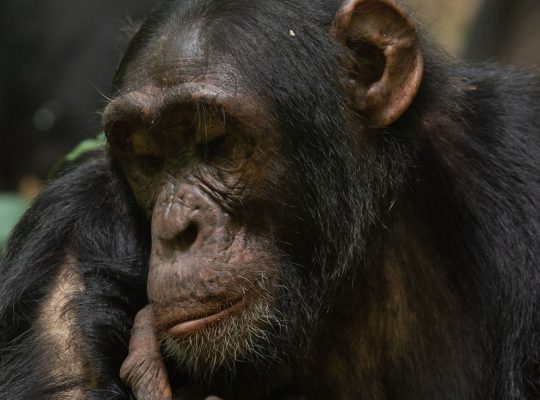
Chimpanzees share approximately 98 to 99 percent of their DNA with humans. That genetic connection becomes surprisingly obvious once you spend time watching them in the wild.
They communicate using facial expressions, body language, vocal calls, and physical gestures. Family members groom one another, mothers care for their young with incredible patience, and younger chimpanzees spend much of their day playing together.
Researchers have documented chimpanzees making and using tools, solving problems, hunting in coordinated groups, and forming long-lasting social relationships. Watching these behaviors unfold naturally gives visitors a deeper appreciation of just how intelligent these remarkable primates are.
Every encounter feels different because chimpanzees are constantly active. One moment they may be quietly feeding in the trees, and the next they are racing through the forest while calling loudly to one another.
A Wildlife Experience That Keeps You Moving
Chimpanzee tracking is far more interactive than many traditional safari activities.
The adventure begins with an early morning briefing before guides lead small groups into the forest. Professional trackers move ahead to locate the chimpanzees while maintaining radio contact with the guides.
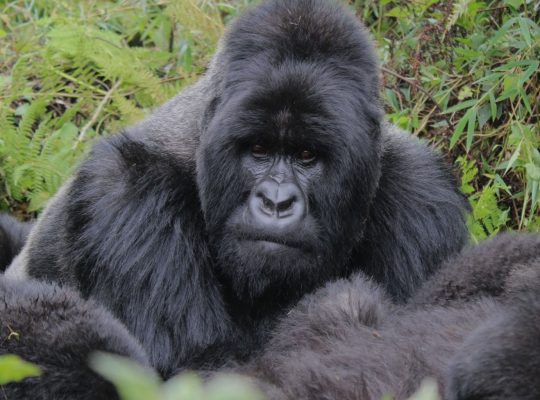
Once the troop is located, visitors are given time to observe them from a safe distance. Unlike mountain gorillas, chimpanzees rarely remain in one place for long. They climb, jump, run, feed, and communicate constantly, making every minute exciting.
This movement creates a more active experience, requiring visitors to follow the group as it travels through the forest.
Although some hikes may last several hours, chimpanzee tracking is generally less physically demanding than gorilla trekking because it usually takes place at lower elevations and over shorter distances.
Uganda Is One of Africa’s Best Places for Chimpanzee Tracking
Uganda has earned an international reputation as one of the best destinations for chimpanzee tracking.
Kibale National Park is widely considered the country’s premier location. Home to more than 1,500 chimpanzees, the park offers one of the highest chimpanzee sighting success rates anywhere in Africa.
The dense tropical forest also supports twelve other primate species, making every walk through Kibale an opportunity to spot monkeys, colorful birds, butterflies, and unique forest wildlife.
Visitors can choose between the standard chimpanzee tracking experience, which allows one hour with a habituated troop, or a full-day chimpanzee habituation experience. The longer option gives travelers the chance to spend extended time alongside researchers and guides while observing the chimpanzees throughout their daily routine.
Budongo Forest and Kyambura Gorge also offer excellent chimpanzee tracking opportunities, providing alternatives for visitors exploring different regions of Uganda.
Rwanda Offers a Unique Rainforest Experience
Nyungwe Forest National Park is Rwanda’s leading destination for chimpanzee tracking.
This ancient rainforest stretches across rolling mountains and contains one of Africa’s richest ecosystems. Besides chimpanzees, Nyungwe is home to more than a dozen primate species, hundreds of bird species, and countless plant varieties.
Chimpanzee tracking here often begins shortly after sunrise when the animals are most active. The forest comes alive with bird calls and the sounds of wildlife waking for the day.
Many travelers combine chimpanzee tracking with Nyungwe’s famous canopy walkway, which offers breathtaking views across the forest from high above the trees.
Those visiting Rwanda often pair Nyungwe with mountain gorilla trekking in Volcanoes National Park, creating one of Africa’s most memorable primate safaris.
Tanzania’s Historic Chimpanzee Destinations
Although Uganda and Rwanda attract the largest number of chimpanzee tracking visitors, Tanzania offers two destinations that hold special significance in wildlife conservation.
Gombe Stream National Park became internationally famous through Dr. Jane Goodall’s groundbreaking chimpanzee research, which began in 1960. Her discoveries transformed the world’s understanding of chimpanzee intelligence and behavior.
Mahale Mountains National Park provides another remarkable experience. Located along the shores of Lake Tanganyika, the park combines remote wilderness with excellent chimpanzee viewing in one of Africa’s most beautiful landscapes.
These destinations appeal particularly to travelers looking for remote adventures away from the more popular safari circuits.
Responsible Tourism Helps Protect Chimpanzees
Chimpanzee tracking plays an important role in conservation.
Wild chimpanzee populations continue to face serious threats from habitat destruction, disease, illegal hunting, and human population growth. Responsible tourism provides valuable funding that supports conservation projects, scientific research, ranger patrols, and local communities.
The permits visitors purchase contribute directly to protecting the forests where chimpanzees live.
Strict rules also help safeguard the animals. Visitors are required to maintain a safe distance, avoid flash photography, and limit the amount of time spent with each chimpanzee group. Anyone showing signs of illness may be prevented from participating to reduce the risk of transmitting diseases to the animals.
These regulations ensure that tourism remains sustainable while protecting one of Africa’s most endangered species.
What to Expect During Your Chimpanzee Tracking Adventure
Most chimpanzee tracking experiences begin early in the morning with a briefing from park rangers.
Small groups then enter the forest accompanied by experienced guides and trackers. Depending on where the chimpanzees were last located, the hike may take anywhere from thirty minutes to several hours.
Once the troop is found, visitors usually spend one hour observing their natural behavior.
Comfortable hiking boots, lightweight clothing, insect repellent, drinking water, and a waterproof jacket are recommended. Forest weather can change quickly, and trails may become muddy even during the dry season.
Bringing binoculars also enhances the experience, especially when chimpanzees move high into the forest canopy.
Combine Chimpanzee Tracking With Other East African Adventures
Chimpanzee tracking fits easily into a broader East African safari itinerary.
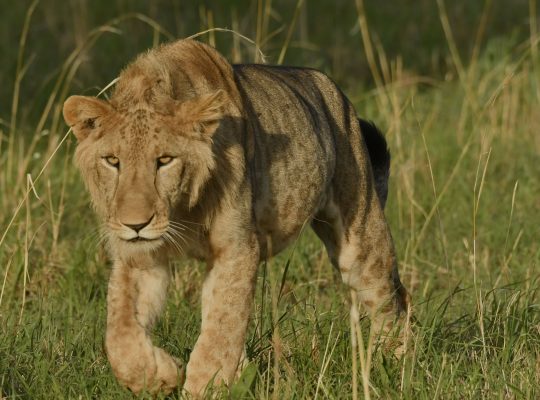
Many visitors combine Kibale National Park with Queen Elizabeth National Park, where they enjoy game drives, boat safaris, and the chance to see the famous tree-climbing lions.
Others continue to Bwindi Impenetrable National Park for mountain gorilla trekking, creating an unforgettable primate-focused journey.
In Rwanda, chimpanzee tracking in Nyungwe pairs naturally with gorilla trekking in Volcanoes National Park and wildlife safaris in Akagera National Park.
Combining these experiences allows travelers to enjoy both rainforest wildlife and traditional African safari landscapes during one trip.
A Wildlife Encounter You’ll Never Forget
Chimpanzee tracking offers something that few wildlife experiences can match. It combines physical adventure, scientific discovery, conservation, and genuine emotional connection in one unforgettable activity.
Watching wild chimpanzees communicate, care for their families, solve problems, and move effortlessly through ancient forests reminds us how closely connected humans remain to the natural world.
Whether you choose Uganda’s famous Kibale National Park, Rwanda’s lush Nyungwe Forest, or Tanzania’s historic chimpanzee habitats, every trek offers a different story waiting to unfold.
For travelers seeking an experience that goes beyond the traditional safari, chimpanzee tracking deserves a place at the very top of the itinerary. It is an encounter that leaves visitors with lasting memories, a deeper appreciation for wildlife conservation, and a new perspective on our closest relatives in the animal kingdom.