Which Destination Should You Choose?
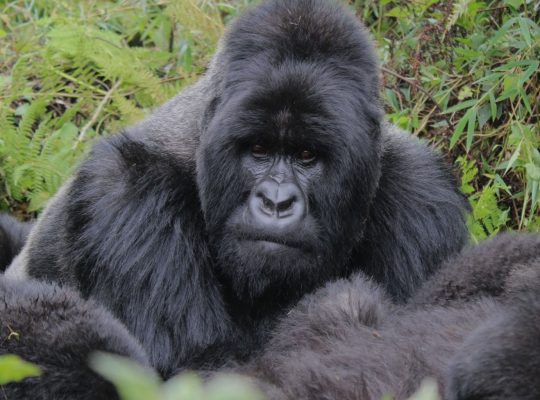
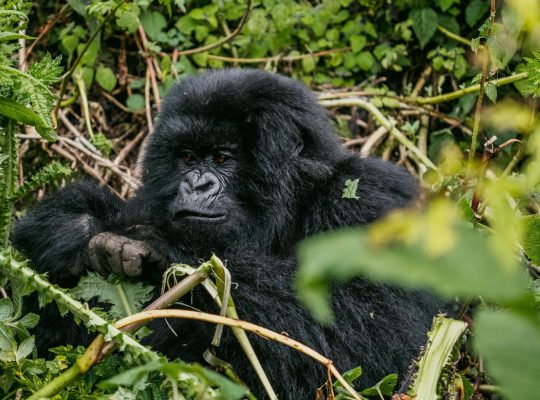
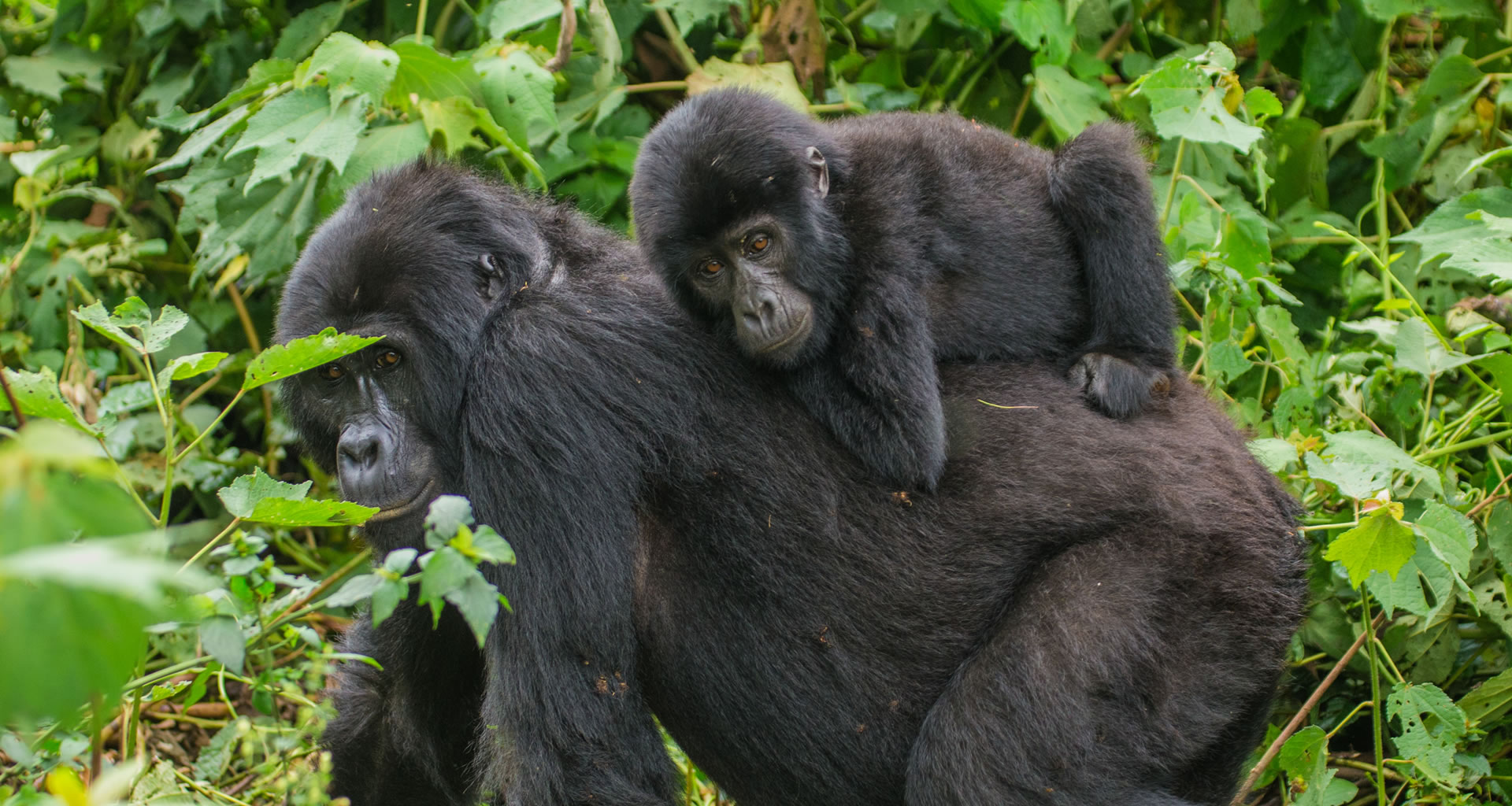
Few wildlife experiences compare to standing just a few meters away from a family of wild mountain gorillas. Watching them feed, play, and interact in their natural habitat is an experience that stays with you long after your journey ends.
In 2026, Uganda and Rwanda remain the two leading destinations for mountain gorilla trekking. Both countries have invested heavily in conservation, visitor experiences, and sustainable tourism. Both offer professionally guided treks that help protect one of the world’s most endangered animals while supporting local communities.
Choosing between Uganda and Rwanda is not always easy. Each destination offers something unique, and the best choice depends on your budget, travel style, available time, and the type of adventure you want.
This guide compares Uganda and Rwanda across the factors that matter most to help you make the right decision.
Understanding Gorilla Trekking
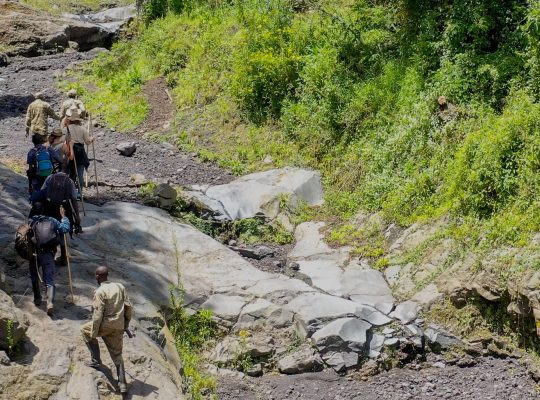
Gorilla trekking involves hiking through protected forests with experienced guides and trackers in search of a habituated mountain gorilla family.
Once the gorillas are located, visitors spend one hour observing them from a safe distance while learning about their behavior, family structure, and conservation.
Strict regulations protect both visitors and gorillas.
Only eight visitors are allowed to visit each gorilla family per day.
Flash photography is not permitted.
Visitors must be at least 15 years old.
Anyone showing signs of illness is not allowed to participate because gorillas are vulnerable to many human diseases.
These rules help preserve the gorillas while ensuring future generations can enjoy the same remarkable experience.
Gorilla Trekking Locations
Uganda offers gorilla trekking in two national parks.
Bwindi Impenetrable National Park
Bwindi is Uganda’s most famous gorilla destination.
The park contains more than 20 habituated gorilla families spread across four trekking sectors: Buhoma, Ruhija, Rushaga, and Nkuringo.
Each sector offers different scenery, trekking conditions, and accommodation options.
Mgahinga Gorilla National Park
Mgahinga is Uganda’s second gorilla trekking destination.
Although smaller than Bwindi, it offers a quieter experience with fewer visitors while sharing the beautiful Virunga Mountain ecosystem with neighboring Rwanda and the Democratic Republic of Congo.
Volcanoes National Park, Rwanda
Rwanda offers gorilla trekking exclusively in Volcanoes National Park.
Located in the Virunga Mountains, the park is famous for its volcanic scenery, bamboo forests, and excellent visitor facilities.
Its close proximity to Kigali has made it one of Africa’s most accessible gorilla trekking destinations.
Gorilla Permit Costs in 2026
One of the biggest differences between Uganda and Rwanda is the permit price.
Uganda
Uganda charges $800 per person for a standard gorilla trekking permit for foreign non-residents.
Visitors looking for a longer experience can book the Gorilla Habituation Experience for $1,500, allowing up to four hours with a semi-habituated gorilla family.
This exclusive activity is only available in Uganda.
Rwanda
Rwanda charges $1,500 per person for an international gorilla trekking permit.
Visitors who combine gorilla trekking with other qualifying national parks may receive discounted permit packages under selected tourism promotions.
Which Offers Better Value?
For travelers watching their budget, Uganda provides significantly better value.
The lower permit cost allows many visitors to spend additional days exploring national parks, booking higher-quality accommodation, or participating in extra activities.
Rwanda’s higher permit price reflects its premium tourism strategy, which focuses on smaller visitor numbers and luxury travel.
Accessibility and Travel Time
Travel logistics often influence which destination visitors choose.
Getting to Rwanda’s Gorilla Parks
Traveling to Volcanoes National Park is simple.
Most visitors fly into Kigali International Airport before taking a scenic drive of about two to three hours to the park.
This convenience makes Rwanda ideal for travelers with limited vacation time.
A complete gorilla trekking trip can easily fit into a long weekend or a four-day itinerary.
Getting to Uganda’s Gorilla Parks
Traveling to Bwindi from Entebbe or Kampala usually takes between eight and ten hours by road.
Domestic flights are available and reduce travel time significantly, although they increase overall trip costs.
Many travelers choose another option by flying into Kigali and crossing the Uganda border before continuing to Bwindi. This route shortens the journey while allowing visitors to benefit from Uganda’s lower permit prices.
Comparing the Trekking Experience
The gorilla encounter itself is equally unforgettable in both countries.
The biggest differences lie in the terrain and hiking conditions.
Uganda’s Forest Adventure
Bwindi lives up to its name.
Dense rainforest, thick vegetation, steep hills, and muddy trails create a true jungle adventure.
Some treks last only a few hours, while others can take six hours or longer depending on where the gorilla family is located.
The unpredictable nature of the forest adds to the excitement for many visitors.
Travelers looking for a physically rewarding adventure often prefer Uganda.
Rwanda’s Volcanic Landscape
Volcanoes National Park offers a different environment.
The bamboo forests and volcanic slopes are generally more open than Bwindi.
Many treks are shorter and involve less dense vegetation, making the experience slightly easier for some visitors.
The higher altitude can still make hiking challenging, especially for travelers who are not accustomed to mountain conditions.
Accommodation Options
Both countries offer excellent places to stay.
Rwanda
Accommodation around Volcanoes National Park focuses heavily on luxury.
Visitors can choose from world-class lodges offering premium service, spa facilities, fine dining, and stunning views of the Virunga Mountains.
These properties cater to travelers seeking comfort and convenience.
Uganda
Uganda offers a much wider range of accommodation.
Budget guesthouses, mid-range safari lodges, and luxury eco-lodges are available across all trekking sectors.
This variety makes Uganda suitable for backpackers, families, photographers, and luxury travelers alike.
Activities Beyond Gorilla Trekking
Many travelers want to experience more than gorillas during their holiday.
Uganda Offers Greater Variety
Uganda makes it easy to combine gorilla trekking with several other adventures.
Popular additions include:
- Chimpanzee trekking in Kibale National Park
- Wildlife safaris in Queen Elizabeth National Park
- Game drives in Murchison Falls National Park
- Boat cruises along the Kazinga Channel
- White water rafting in Jinja
- Hiking in the Rwenzori Mountains
- Batwa cultural experiences
This variety allows travelers to build longer itineraries filled with different landscapes and wildlife experiences.
Rwanda Offers Compact Travel
Rwanda’s smaller size makes it easier to combine several destinations within a shorter trip.
Visitors often include:
- Golden monkey trekking
- Akagera National Park safaris
- Nyungwe Forest chimpanzee tracking
- Lake Kivu relaxation
- Kigali city tours
Travel times between attractions are relatively short, allowing visitors to experience several regions without spending many hours on the road.
Which Destination Is Better for Luxury Travel?
Travelers looking for a premium safari experience often prefer Rwanda.
Luxury lodges, shorter transfer times, private guided services, and exclusive experiences create a polished holiday from arrival to departure.
Uganda also offers exceptional luxury lodges, especially around Bwindi, but its broader range of accommodation attracts travelers across every budget level.
Which Destination Is Better for Adventure?
Uganda appeals strongly to adventurous travelers.
Longer hikes, dense rainforest, remote locations, and opportunities to combine multiple national parks create a more varied safari experience.
Many visitors enjoy the feeling of exploring one of Africa’s oldest forests while discovering wildlife across different ecosystems.
Best Time for Gorilla Trekking
Both countries experience similar weather patterns.
The best trekking conditions occur during the dry seasons:
- June to September
- December to February
Trails are generally firmer, making hiking easier and wildlife viewing more comfortable.
The rainy seasons bring greener landscapes and fewer visitors but also create muddy and slippery trails.
Because permits are limited, booking at least six months in advance is recommended for peak travel periods.
Choose Uganda if you:
- Want better value for money.
- Plan a longer safari.
- Enjoy hiking and adventure.
- Want to combine gorilla trekking with wildlife safaris, chimpanzees, and cultural experiences.
- Are interested in the Gorilla Habituation Experience.
Choose Rwanda if you:
- Have limited travel time.
- Prefer shorter transfers.
- Want a luxury-focused holiday.
- Value convenience and premium service.
- Do not mind paying a higher permit fee.
Final Verdict
There is no wrong choice when deciding between Uganda and Rwanda for gorilla trekking.
Both countries offer safe, well-managed, and unforgettable encounters with one of the world’s rarest animals. The same conservation standards, experienced guides, and strict visitor regulations ensure an exceptional experience regardless of where you trek.
If value, adventure, and variety are your priorities, Uganda stands out as the stronger choice. The lower permit price, wider range of safari experiences, and opportunity to spend more time in nature make it especially appealing for travelers planning a longer African holiday.
If convenience, luxury, and shorter travel times matter most, Rwanda is difficult to beat. Its excellent infrastructure, premium lodges, and quick access from Kigali make it ideal for travelers with limited time.
Whichever destination you choose, booking your permit well in advance, hiring a local porter, packing for changing mountain weather, and arriving with a reasonable level of fitness will help you make the most of this once in a lifetime wildlife experience.
Seeing mountain gorillas in the wild is more than a safari activity. It is a rare opportunity to witness one of nature’s greatest conservation success stories while directly contributing to the protection of these remarkable animals and the communities that live alongside them.