Rwanda has become one of Africa’s most admired travel destinations. Known as the Land of a Thousand Hills, the country combines breathtaking scenery, thriving wildlife, modern cities, and a strong commitment to conservation. Travelers who visit Rwanda often discover that it offers far more than its famous mountain gorillas.
Tourism continues to grow as new experiences, improved infrastructure, and world-class hospitality attract visitors from every continent. Rwanda welcomed nearly 1.5 million visitors in 2025, generating about $685 million in tourism revenue. That momentum is expected to continue throughout 2026 as more travelers look for authentic, sustainable, and well-organized African adventures.
While Volcanoes National Park remains Rwanda’s signature attraction, several destinations are growing rapidly and giving visitors more reasons to extend their stay. Whether you enjoy wildlife, hiking, culture, or lakeside relaxation, Rwanda offers unforgettable experiences across the country.
Why Rwanda Tourism Is Growing So Quickly
Rwanda has invested heavily in tourism over the past two decades.
Better roads, modern hotels, expanded air connections, conservation programs, and community tourism have helped position the country among Africa’s leading travel destinations.
The country’s reputation for safety, cleanliness, and efficient services also makes it appealing for first-time visitors to Africa.
Tourism growth has created opportunities for local communities while helping protect wildlife and natural habitats. Every visit contributes to conservation efforts and supports businesses across the country.
Here are the destinations leading Rwanda’s tourism growth in 2026.
1. Akagera National Park Is Becoming Rwanda’s Premier Safari Destination
Akagera National Park has experienced remarkable growth in recent years.
Located in eastern Rwanda, the park has transformed into one of East Africa’s most rewarding safari destinations. Visitor numbers have increased steadily as conservation efforts restored wildlife populations and improved visitor facilities.
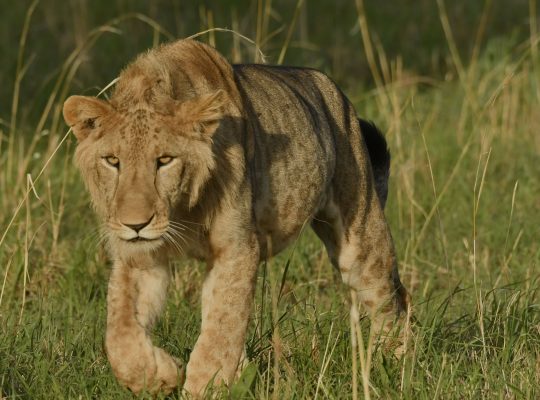
Today, Akagera is home to the Big Five, including lions, leopards, elephants, buffaloes, and rhinos.
Game drives allow visitors to explore open plains, rolling hills, wetlands, and woodlands filled with wildlife. Boat safaris on Lake Ihema offer close views of hippos, crocodiles, and hundreds of bird species.
Night game drives have also become popular, giving travelers the chance to spot nocturnal animals rarely seen during the day.
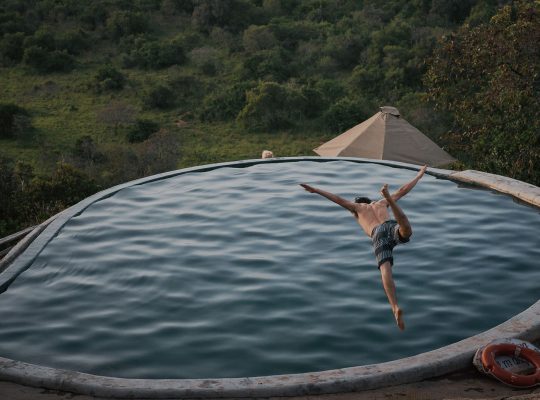
Luxury tented camps and safari lodges continue to expand, making Akagera attractive to travelers looking for exclusive wildlife experiences without large crowds.
Its location, only about two and a half hours from Kigali, makes it an easy addition to any Rwanda travel itinerary.
2. Nyungwe Forest National Park Is Winning Over Nature Lovers
Nyungwe Forest National Park offers a completely different side of Rwanda.
One of Africa’s oldest rainforests, Nyungwe protects an extraordinary ecosystem filled with wildlife, waterfalls, hiking trails, and unique plant species.
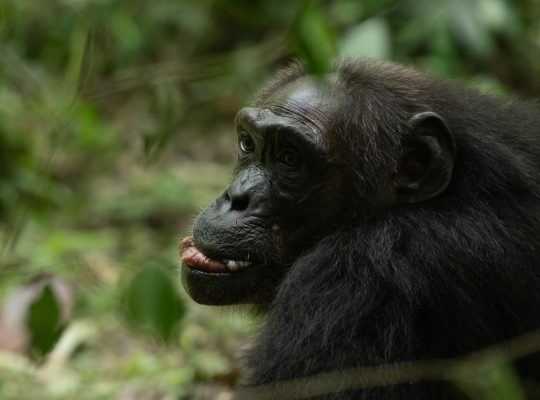
The park is home to 13 different primate species, making it one of Africa’s leading destinations for primate tourism.
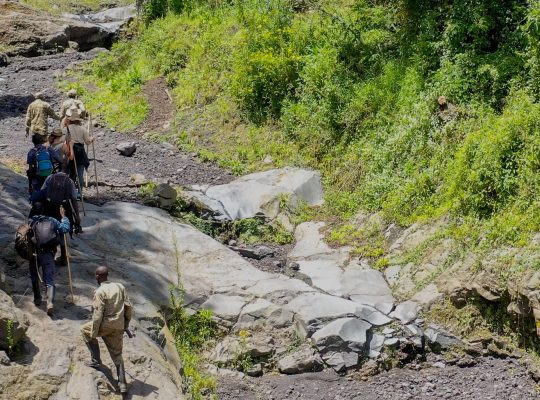
Chimpanzee tracking is one of the biggest highlights. Guided treks take visitors deep into the forest where they can observe chimpanzees in their natural environment.
Another unforgettable experience is the famous Canopy Walkway.
Suspended high above the forest floor, the bridge provides spectacular views across the rainforest and offers visitors a different perspective of the park’s rich biodiversity.
Hiking trails lead to waterfalls, scenic viewpoints, and quiet sections of the forest where birdwatchers can search for many rare species.
Nearby tea plantations also give visitors an opportunity to learn about one of Rwanda’s important agricultural industries.
3. Volcanoes National Park Continues to Lead Gorilla Tourism
Volcanoes National Park remains Rwanda’s most recognized tourism destination.
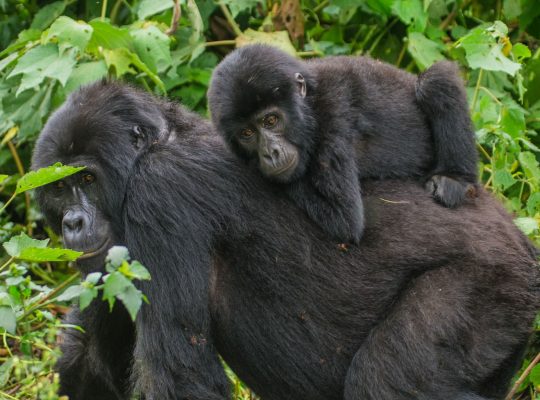
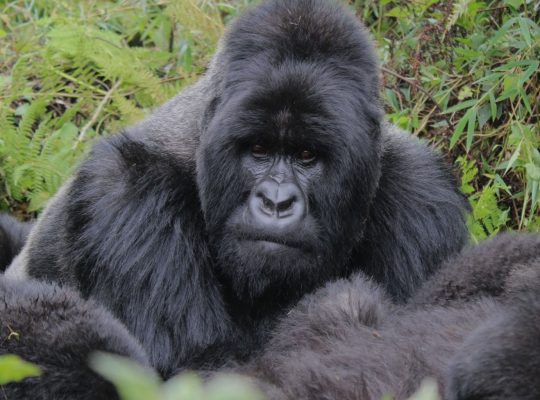
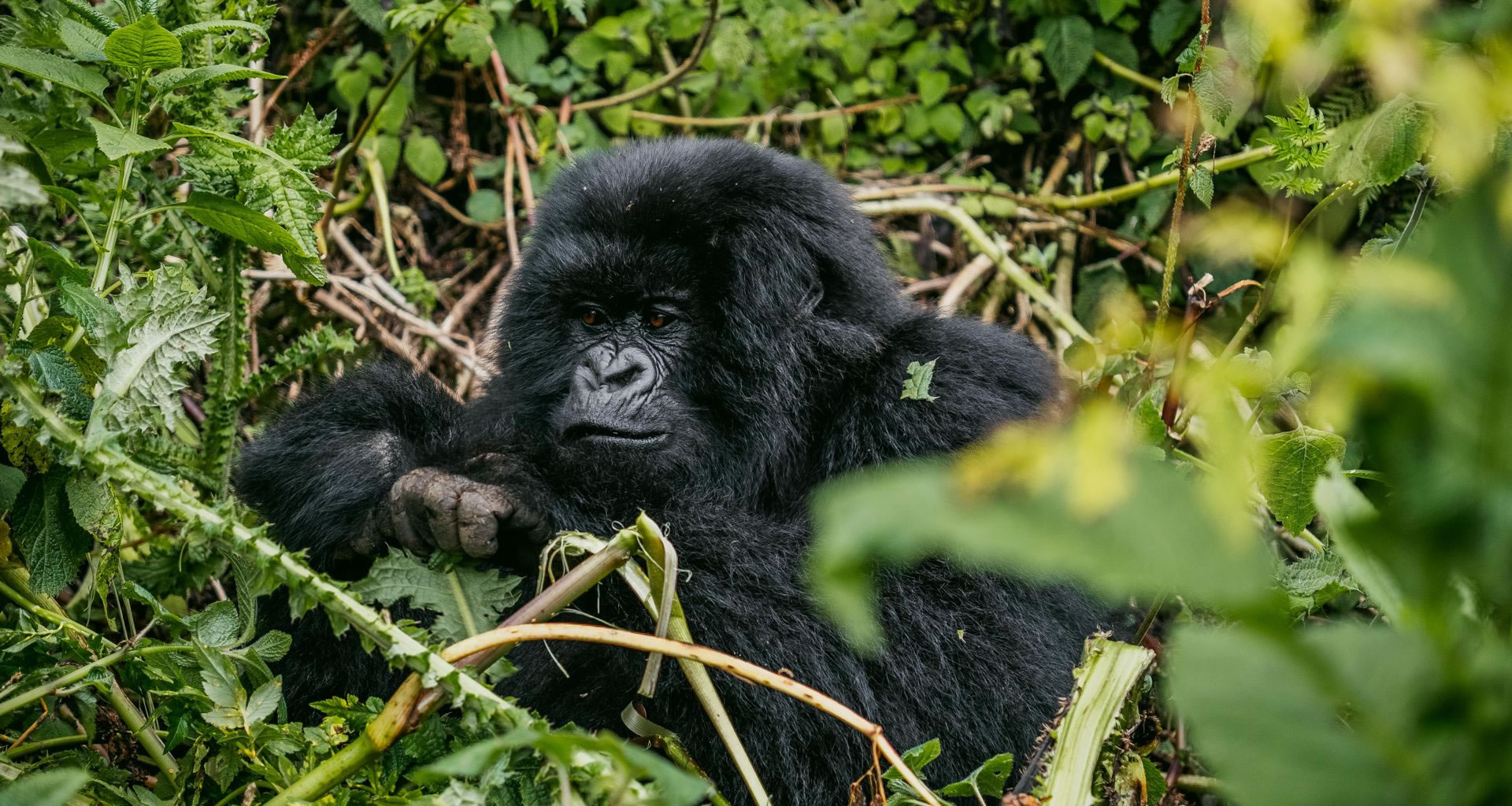
Located within the Virunga Mountains, the park protects endangered mountain gorillas and attracts visitors from around the world.
Gorilla trekking continues to be Rwanda’s signature wildlife experience.
Small groups hike through bamboo forests and mountain slopes before spending one hour observing a habituated gorilla family.
Many travelers describe this close encounter as one of the greatest wildlife experiences anywhere on earth.
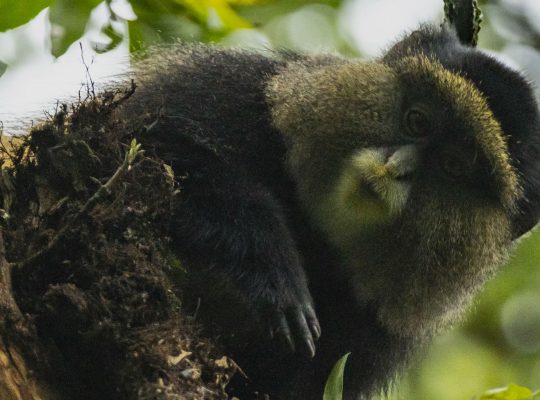
Volcanoes National Park also offers golden monkey tracking, guided hikes following the legacy of conservationist Dian Fossey, and climbs to Mount Bisoke with its beautiful crater lake.
Luxury lodges surrounding the park provide exceptional accommodation while supporting conservation and local employment.
Sustainable tourism remains central to the park’s management, helping protect mountain gorillas while generating income for nearby communities.
4. Kigali Has Become More Than a Gateway City
Many visitors once viewed Kigali simply as the starting point for gorilla trekking.
Today, Rwanda’s capital has become a destination worth exploring on its own.
The city is known for its clean streets, modern infrastructure, excellent restaurants, vibrant arts scene, and welcoming atmosphere.
The Kigali Genocide Memorial provides visitors with an opportunity to understand Rwanda’s history while learning about the country’s remarkable recovery and unity.
Art lovers can explore local galleries such as the Inema Arts Center, while shoppers enjoy visiting Kimironko Market for crafts, clothing, fresh produce, and handmade souvenirs.
The city’s growing collection of hotels, cafés, cultural venues, and entertainment options encourages travelers to spend several days discovering Kigali before continuing to other regions.
Kigali also plays an important role in Rwanda’s growing Meetings, Incentives, Conferences, and Exhibitions sector, attracting international conferences and business events throughout the year.
5. Lake Kivu Offers Relaxation Along Rwanda’s Western Border
Lake Kivu provides the perfect balance to Rwanda’s active wildlife adventures.
Stretching along the border with the Democratic Republic of Congo, the lake features peaceful beaches, lakeside towns, rolling hills, and scenic boat trips.
Popular destinations such as Rubavu, Karongi, and Rusizi attract visitors looking to relax after trekking or safari adventures.
Kayaking, paddleboarding, swimming, boat cruises, cycling, and fishing have become increasingly popular activities around the lake.
Coffee farms and tea plantations surrounding Lake Kivu also allow travelers to experience Rwanda’s agricultural traditions while enjoying beautiful landscapes.
As tourism investment continues, new resorts, boutique hotels, and wellness retreats are making Lake Kivu one of Rwanda’s fastest growing leisure destinations.
Rwanda’s Commitment to Sustainable Tourism
One reason Rwanda tourism continues to grow is its commitment to responsible travel.
The country has built a tourism model that places conservation and local communities at the center of development.
Revenue generated through national park permits helps fund wildlife protection, habitat conservation, and community development projects.
Many tourism businesses employ local people, purchase local products, and support education, healthcare, and environmental programs.
This approach allows visitors to enjoy unforgettable experiences while contributing to long-term conservation success.
Wildlife Beyond the Gorillas
Although gorilla trekking receives most of the attention, Rwanda offers much more for wildlife enthusiasts.
Akagera National Park provides classic African safaris featuring large mammals and hundreds of bird species.
Nyungwe Forest introduces visitors to chimpanzees, monkeys, butterflies, and forest birds.
Volcanoes National Park protects golden monkeys alongside its famous gorillas.
This diversity allows travelers to experience forests, mountains, wetlands, and savannah ecosystems during a single holiday.
The Best Time to Visit Rwanda in 2026
Rwanda is a year-round destination, though the dry seasons remain the most popular.
June through September offers excellent conditions for gorilla trekking, chimpanzee tracking, hiking, and wildlife viewing.
A second dry season from December through February also provides favorable weather for outdoor activities.
Rainfall can occur at any time because of Rwanda’s mountainous landscape, so visitors should pack waterproof clothing regardless of the season.
Planning Your Rwanda Travel Itinerary
Many travelers combine several destinations into one journey.
A popular itinerary begins in Kigali before continuing to Akagera National Park for wildlife safaris.
From there, visitors travel to Volcanoes National Park for gorilla trekking before heading south to Nyungwe Forest for chimpanzee tracking and rainforest hiking.
The trip often ends with a relaxing stay along the shores of Lake Kivu.
This route allows travelers to experience Rwanda’s remarkable variety within a relatively compact country.
Booking gorilla permits and chimpanzee permits well in advance is strongly recommended, especially during the busy travel seasons.
Working with experienced local tour operators also makes transportation, accommodation, and park reservations much easier.
Why Rwanda Should Be on Your 2026 Travel List
Rwanda has earned its place among Africa’s leading travel destinations by combining wildlife conservation, cultural experiences, modern infrastructure, and responsible tourism.
Each region offers something different, from mountain gorillas in Volcanoes National Park to Big Five safaris in Akagera, rainforest adventures in Nyungwe, vibrant city life in Kigali, and peaceful lakeside escapes along Lake Kivu.
As tourism continues to grow, Rwanda remains committed to protecting its natural heritage while creating meaningful benefits for local communities.
For travelers seeking unforgettable wildlife encounters, breathtaking scenery, and well-organized travel experiences, Rwanda offers one of the most rewarding destinations in Africa. In 2026, the Land of a Thousand Hills continues to welcome visitors with remarkable adventures, warm hospitality, and memories that last long after the journey ends.