

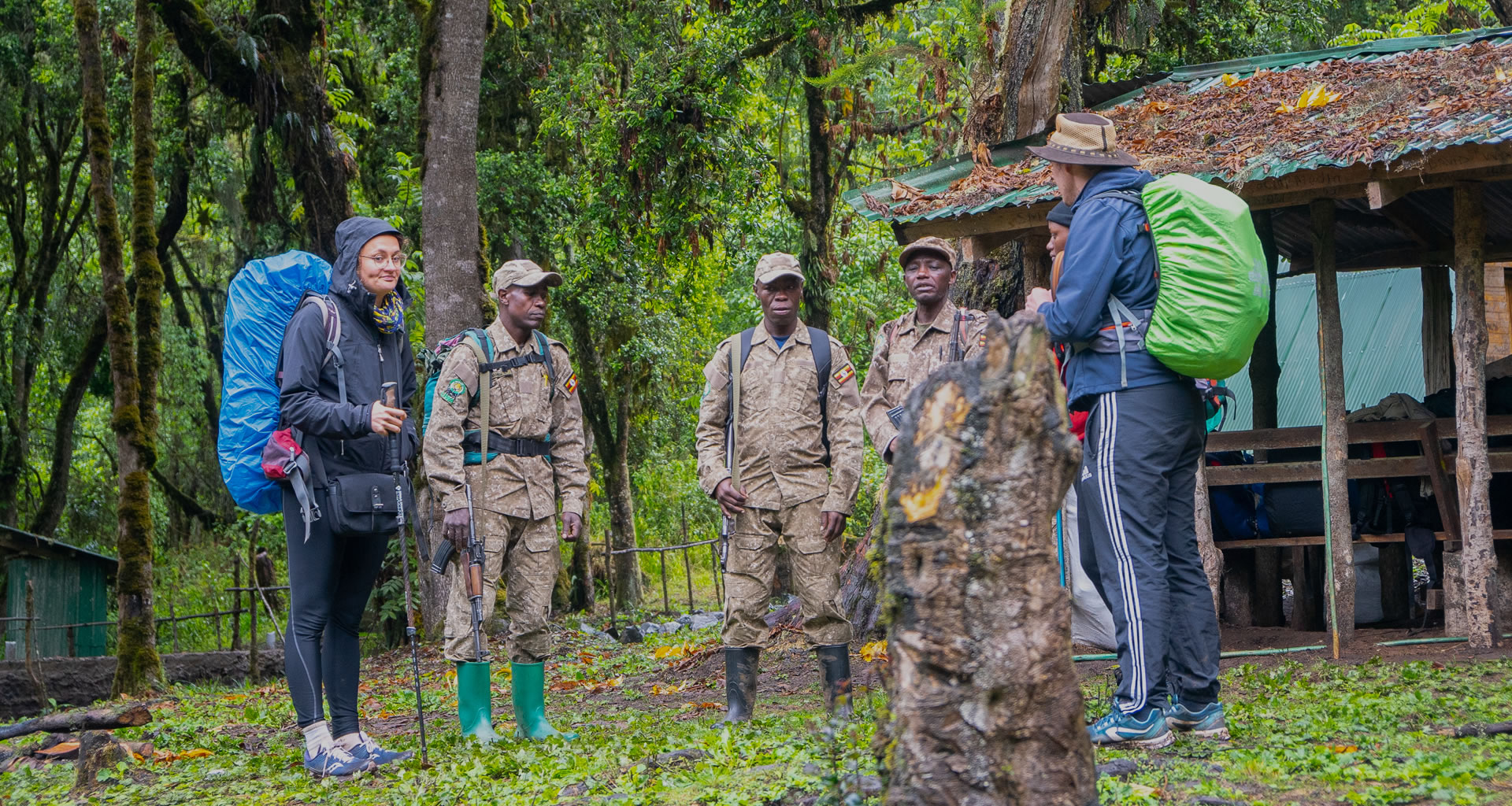
East Africa continues to attract travelers looking for unforgettable wildlife safaris, mountain gorilla trekking, pristine beaches, and rich cultural experiences. Countries such as Kenya, Uganda, Rwanda, and Tanzania remain among Africa’s most popular destinations, welcoming visitors with improved tourism services and easier digital entry systems.
Planning your trip has become more convenient than it was a few years ago. Most countries now offer online visa applications or electronic travel authorizations, allowing travelers to complete much of the process before departure. At the same time, health requirements remain an important part of international travel, particularly for visitors moving between countries within the region.
If you’re planning an East African adventure in July 2026, understanding the latest entry requirements before booking your flights will help you avoid delays and travel with confidence.
The East Africa Tourist Visa Makes Multi-Country Travel Easier
One of the biggest advantages for travelers exploring multiple destinations is the East Africa Tourist Visa (EATV). This visa allows visitors to travel between Uganda, Rwanda, and Kenya using a single visa instead of applying separately for each country.
The East Africa Tourist Visa costs $100 and allows multiple entries within the three participating countries for up to 90 days. It is an excellent option for travelers planning to combine experiences such as gorilla trekking in Uganda, wildlife safaris in Kenya, and cultural or luxury travel in Rwanda.
There is one important rule to remember. You must begin your journey in the country that issued your visa. For example, if you apply through Uganda, your first arrival into East Africa must be in Uganda.
The visa also has geographic limitations. Once you leave the participating countries, such as crossing into Tanzania, the visa generally becomes invalid for re-entry. Travelers planning to include Tanzania should arrange a separate Tanzanian visa.
Kenya Entry Requirements
Kenya has replaced traditional tourist visas with an Electronic Travel Authorization, commonly known as the eTA.
Most international visitors must apply online before traveling. The application process is straightforward and typically takes a few days, although applying at least two weeks before departure is recommended during busy travel seasons.
Travelers should print or save a digital copy of their approved authorization before boarding their flight. Airlines may request proof of approval before allowing passengers to travel to Kenya.
The eTA system has simplified entry while helping immigration authorities process arrivals more efficiently.
Uganda Entry Requirements
Uganda requires most international visitors to obtain an electronic visa before arrival. Applications are completed online through the Uganda immigration portal, and travelers receive approval electronically before traveling.
Uganda does not generally recommend relying on visa issuance upon arrival, making advance application the safest option.
Uganda remains one of Africa’s most popular destinations for gorilla trekking, chimpanzee tracking, wildlife safaris, and adventure tourism. Since gorilla permits are often booked months in advance, visitors should complete both their visa and permit arrangements well before their departure date.
Rwanda Entry Requirements
Rwanda continues to maintain one of Africa’s most traveler-friendly immigration systems.
Visitors from many countries can obtain a visa on arrival, while others may choose to apply online before traveling. The straightforward process makes Rwanda an attractive destination for travelers combining gorilla trekking with luxury safaris or business travel.
Volcanoes National Park remains Rwanda’s biggest tourism attraction, and visitors planning gorilla trekking should remember that park permits are separate from immigration requirements.
Tanzania Entry Requirements
Tanzania operates independently from the East Africa Tourist Visa system, meaning travelers need a separate visa even if they are already visiting Uganda, Kenya, or Rwanda.
Visitors can apply online before departure or obtain a visa upon arrival at major international airports, depending on their nationality. Travelers visiting Zanzibar should also be aware of additional travel insurance requirements introduced by the Zanzibar authorities.
Since Tanzania is home to world-famous destinations such as Serengeti National Park, Ngorongoro Crater, Mount Kilimanjaro, and Zanzibar, many visitors combine it with neighboring countries while arranging the required immigration documents separately.
Passport Requirements
Regardless of which East African country you visit, your passport should remain valid for at least six months beyond your planned departure date.
Most immigration authorities also require several blank pages for entry and exit stamps. Travelers should check their passports well before departure, particularly if they have traveled extensively over the past few years.
If your passport is approaching its expiration date, renewing it before applying for visas will help avoid unnecessary complications.
Yellow Fever Vaccination Remains an Important Requirement
Yellow fever vaccination continues to be one of the most important health requirements for travel across East Africa.
Uganda requires proof of yellow fever vaccination for nearly all international visitors. Kenya, Rwanda, and Tanzania may also require the certificate if travelers arrive from countries where yellow fever is present or if they have spent significant time in those countries before arrival.
The yellow fever certificate, commonly known as the Yellow Card, should be carried with your travel documents throughout your journey. Immigration officers or health officials may request to see it when crossing borders.
Travelers should receive the vaccine at least ten days before departure, allowing enough time for it to become fully effective.
Other Recommended Vaccinations
Although they may not be mandatory, several vaccinations are commonly recommended for travelers visiting East Africa.
Travel clinics often advise protection against Hepatitis A, Hepatitis B, Typhoid, Tetanus, and Rabies, particularly for visitors spending extended periods in rural areas or participating in activities such as gorilla trekking.
Routine vaccinations should also be up to date before international travel. Consulting a travel health specialist six to eight weeks before departure allows enough time to receive any necessary vaccinations.
Malaria Prevention
Malaria remains present across much of East Africa, although the level of risk varies depending on altitude and location.
Many travelers choose to take preventive medication after consulting their doctor before departure. Wearing long sleeves during the evening, using insect repellent, and sleeping under treated mosquito nets where provided also help reduce exposure.
Most safari lodges and hotels already take extensive measures to protect guests from mosquitoes, but personal precautions remain important throughout your trip.
Travel Insurance Is Strongly Recommended
Comprehensive travel insurance has become an essential part of international travel.
A good policy should include emergency medical treatment, trip cancellation, lost luggage, flight delays, and medical evacuation. This is especially important for travelers visiting remote safari destinations where specialized medical transport may be required.
Adventure activities such as gorilla trekking, mountain hiking, and white-water rafting may require additional coverage, so it is worth reviewing your policy carefully before departure.
Helpful Tips Before You Travel
Preparing your documents before leaving home can make your arrival much smoother.
Keep printed and digital copies of your passport, visa approvals, travel insurance, flight confirmations, accommodation bookings, and vaccination certificates. Many travelers also store copies securely online in case their originals are lost.
Border officials may occasionally request proof of onward travel or return tickets, so having these documents easily accessible is always a good idea.
Applying for visas and travel authorizations two to four weeks before departure provides enough time to resolve any unexpected issues before your flight.
Prepare Early for a Smooth East African Adventure
East Africa has never been more accessible for international travelers. Digital visa systems, improved border procedures, and regional cooperation have made exploring multiple countries much easier than in previous years. Whether your itinerary includes watching the Great Migration in Kenya and Tanzania, trekking mountain gorillas in Uganda or Rwanda, climbing Mount Kilimanjaro, or relaxing on the beaches of Zanzibar, careful preparation will allow you to focus on enjoying the experience rather than worrying about paperwork.
Before traveling, always verify the latest immigration and health requirements with the relevant government authorities and your airline, as regulations can change without notice. Once your travel documents are in order, you’ll be ready to discover one of the world’s most rewarding safari and adventure destinations.