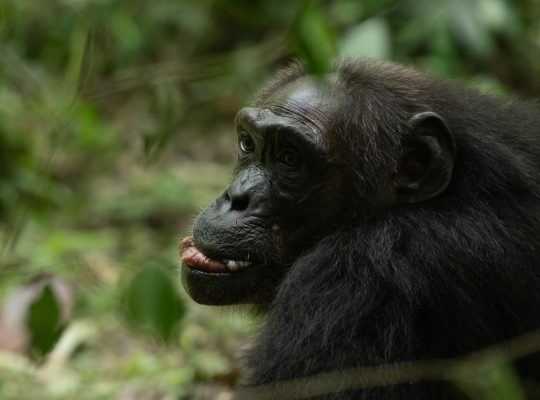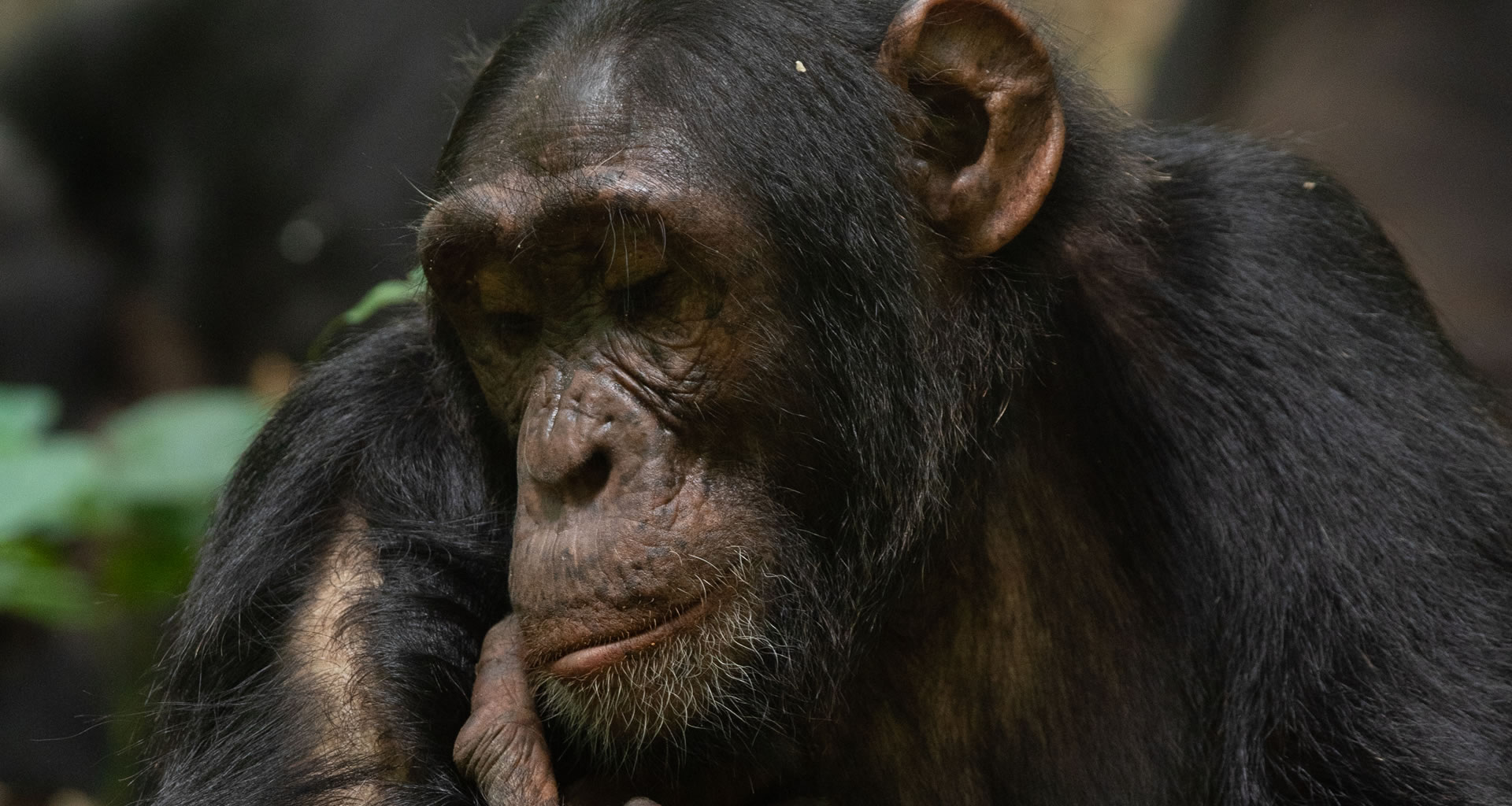
Kibale National Park is one of the best places in Africa to see wild chimpanzees. Located in western Uganda, the park protects a large rainforest that is home to an estimated 1,000 to 1,500 chimpanzees and more than a dozen other primate species.
For travelers planning chimpanzee tracking in Kibale in 2026, there are several updates worth knowing before booking a safari. Permit prices have changed, low-season discounts are available during selected months, and Uganda Wildlife Authority booking rules now require full payment when securing a permit.
There have also been new scientific findings about the chimpanzees living in Kibale. These discoveries give visitors more context about the social lives and behavior of the animals they may encounter during a trek.
This guide covers the current chimpanzee tracking experience, permit prices, booking information, the best time to visit, what to expect in the forest, and practical tips for planning your trip.
Why Kibale Is a Top Destination for Chimpanzee Tracking
Kibale National Park is widely known for its large population of chimpanzees. The forest also supports species such as red colobus monkeys, black-and-white colobus monkeys, L’Hoest’s monkeys, blue monkeys and olive baboons.
Chimpanzee tracking in Kibale takes place mainly around the Kanyanchu area, where habituated chimpanzee communities are monitored by trackers, researchers and Uganda Wildlife Authority staff.
The experience is different from visiting a zoo or wildlife enclosure. You enter the forest with a guide and trackers and follow signs left by the chimpanzees. These can include calls, nests, feeding remains, footprints and broken branches.
Once the chimpanzees are located, visitors can watch them as they move through the forest, feed, communicate, groom each other or climb through the trees.
Chimpanzees can be active and noisy. Their calls may carry through the forest before the animals themselves come into view. Your guide and trackers help you understand these sounds and identify where the group may be moving.
Chimpanzee Tracking Permit Prices in 2026
The cost of chimpanzee tracking in Kibale depends on your residency status and the time of year.
For foreign non-residents, the standard chimpanzee tracking permit in 2026 is about $250 per person. Foreign residents pay about $200, while East African Community citizens pay in the range of UGX 150,000 to UGX 180,000 depending on the applicable category.
One of the main changes for 2026 is the introduction of lower rates during selected low-season months.
During April, May and November 2026, foreign non-residents can access permits at around $200, while foreign residents can pay about $150.
These months fall within Uganda’s wetter periods. Forest trails can be muddy and walking conditions can be less predictable, but the forest is green and visitor numbers can be lower.
Travelers who are flexible with their dates may therefore want to consider these months when planning chimpanzee tracking in Kibale.
Permit prices are subject to Uganda Wildlife Authority rules and should be confirmed at the time of booking.
What Is the Chimpanzee Habituation Experience?
Kibale also offers the Chimpanzee Habituation Experience, commonly called CHEX.
The habituation experience is designed for visitors who want to spend more time observing chimpanzees and learning about their behavior.
A standard chimpanzee tracking experience gives visitors a limited period with the chimpanzees once they are located. The habituation experience can involve several hours in the forest and may provide more opportunities to observe the animals as their daily activities change.
The experience can last around four to six hours and normally involves smaller groups. The permit cost for foreign non-residents is around $300.
The longer experience can be useful for photographers, wildlife enthusiasts, researchers and travelers who want more time to observe chimpanzee behavior.
Habituation itself is a long process. Chimpanzees that are being habituated gradually become accustomed to the presence of humans without being fed or handled. Researchers and trackers spend long periods following and observing the animals.
How Chimpanzee Tracking in Kibale Works
Chimpanzee tracking takes place in scheduled groups. In 2026, standard tracking commonly has three daily departure times, around 8:00 a.m., 11:00 a.m. and 2:00 p.m.
Groups are generally limited to six visitors.
The exact experience can vary because chimpanzees are wild animals. The trackers may know the approximate location of a community, but the animals can move before visitors arrive.
The search starts when you enter the forest. Trackers look for signs and listen for chimpanzee calls. Once the group is located, you follow the instructions of the guide and maintain the required distance.
Visitors are generally allowed one hour with the chimpanzees once they have been located.
The mid-morning tracking session is often preferred by photographers because of the available light and the possibility of seeing chimpanzees at lower levels in the forest.
What Time Does Chimpanzee Tracking Start?
Standard chimpanzee tracking in Kibale is available in morning and afternoon sessions.
Common departure times are around 8:00 a.m., 11:00 a.m. and 2:00 p.m.
The Chimpanzee Habituation Experience starts earlier, often around 6:30 a.m. This allows participants to spend more time observing the chimpanzees during their daily activities.
Your safari operator or Uganda Wildlife Authority should confirm the exact departure time for your permit because operational arrangements can change.
How Long Does Chimpanzee Tracking Take?
The amount of time spent in the forest varies.
A typical chimpanzee tracking excursion can take between two and six hours, depending on where the chimpanzees are located and how far you need to walk.
The forest terrain is uneven. You may walk along narrow trails, climb slopes and move through areas with thick vegetation.
Finding the chimpanzees is part of the experience. Some days may involve a relatively short walk before the group is located. On other days, the trackers may need more time to follow the animals.
The one-hour viewing period starts once the chimpanzees have been located.
This means you should not plan another activity immediately after tracking. Allow enough time for the forest walk and possible delays.
Minimum Age for Chimpanzee Tracking
The minimum age for standard chimpanzee tracking in Kibale is generally 15 years.
The age requirement is enforced at the Kanyanchu Visitor Centre. Families traveling with younger children should check alternative activities available around Kibale and Bigodi.
Age requirements can be subject to Uganda Wildlife Authority rules, so confirm them when booking.
Booking a Chimpanzee Tracking Permit in 2026
One of the important booking changes for 2026 is the requirement for full payment to secure a chimpanzee tracking permit.
According to current booking information, the previous temporary seven-day permit hold is no longer available.
This means travelers need to be ready to make payment when securing their permits.
Booking early is especially useful if you plan to travel during the main dry seasons from June to September or December to February.
Chimpanzee tracking permits are limited by group size and scheduled sessions. Popular dates can therefore become unavailable.
If chimpanzee tracking is one of the main reasons for your Uganda safari, secure the permit before finalizing the rest of your itinerary.
Best Time for Chimpanzee Tracking in Kibale
Kibale can be visited throughout the year, but different seasons offer different conditions.
The main dry periods are generally June to September and December to February. These months often provide easier walking conditions because forest trails are less muddy.
Dry weather can also make moving through the forest more comfortable, although rain can still occur in a tropical rainforest.
April, May and November are associated with the 2026 low-season permit rates. These months can bring more rain and muddy trails, but they also offer green forest conditions.
If your priority is lower permit costs, the discounted months may be worth considering.
If your priority is easier walking conditions, you may prefer one of the drier periods.
There is no single month that guarantees a particular chimpanzee encounter. The animals remain wild and their movements change from day to day.
What to Wear for Chimpanzee Tracking
Good clothing and footwear can make a major difference during chimpanzee tracking in Kibale.
Wear sturdy hiking boots with good grip. Forest trails can become slippery, especially after rain.
Long trousers and long-sleeved clothing are useful because you may pass through thick vegetation. Tuck your trousers into your socks if you are concerned about insects.
Carry a waterproof jacket or rain poncho. Rain can arrive quickly in the forest even during months that are generally considered dry.
Other useful items include:
- Drinking water
- Small backpack
- Camera and spare batteries
- Waterproof bag for electronics
- Hat
- Lightweight gloves for areas with vines or thorny vegetation
Avoid carrying unnecessary heavy items. You may spend several hours walking through uneven terrain.
Chimpanzee Tracking and Recent Research in Kibale
Chimpanzee research in Kibale continues to reveal new information about how these animals live.
One major study in 2026 examined the Ngogo chimpanzee community. The group had previously been known as the world’s largest known chimpanzee community, with more than 200 individuals.
Researchers documented a permanent fission of the community and subsequent intergroup aggression, including lethal attacks.
This research concerns a specific chimpanzee research community. It should not be confused with a tourism problem affecting Kibale National Park as a whole.
Another recent finding involved chimpanzees from the Sebitoli community in northern Kibale. Researchers documented evidence of underground extractive tool use, where chimpanzees used tools to access insect nests below the ground.
These findings show why long-term research in Kibale remains important. Scientists can study behavior that may not be visible during a short safari visit.
The Role of Trackers in Kibale
Chimpanzee tracking would be very different without the experience of local trackers.
Trackers develop detailed knowledge of individual chimpanzees and their communities. They recognize calls, feeding signs, nests and movement patterns that visitors may not notice.
Some trackers have followed particular chimpanzee groups for years.
Their work also supports research and conservation. By monitoring chimpanzee communities, they contribute information about movement, behavior and changes within the forest.
Visitors are expected to follow the instructions of trackers and guides throughout the experience.
Do not attempt to approach chimpanzees on your own, call them closer, feed them or make sudden movements to get a better photograph.
How to Get to Kibale National Park
Most travelers reach Kibale by road as part of a western Uganda safari.
The drive from Kampala can take around five to six hours depending on the route, traffic and stops.
Many safari itineraries combine Kibale with Queen Elizabeth National Park. This creates an opportunity to combine chimpanzee tracking with classic wildlife viewing.
Another option is to fly to Kasese and continue by road to the Kibale area. This can reduce the amount of time spent driving compared with a journey from Kampala.
Fort Portal is the main town associated with the region and can be used as a base for travelers exploring Kibale and nearby attractions.
Your exact travel time will depend on where you are staying and which route your safari operator uses.
Things to Do After Chimpanzee Tracking
Chimpanzee tracking does not have to be your only activity in the Kibale area.
The Bigodi Wetland walk is one of the popular activities nearby. The wetland and surrounding community area provide opportunities to see birds, monkeys and other wildlife while learning about local conservation and community projects.
You can also visit crater lakes around Fort Portal and explore the countryside surrounding the park.
Travelers with more time can combine Kibale with Queen Elizabeth National Park, where activities include game drives and boat trips on the Kazinga Channel.
For travelers planning a longer Uganda safari, Kibale can also form part of an itinerary connecting western Uganda with Bwindi Impenetrable National Park for gorilla trekking.
Chimpanzee Tracking or Chimpanzee Habituation Experience?
The choice depends on how much time you want to spend in the forest.
Standard chimpanzee tracking is suitable for travelers who want to see the chimpanzees while keeping the activity within a shorter safari schedule.
The Chimpanzee Habituation Experience is better suited to visitors who want several hours of observation and more time to follow the animals’ activities.
The cost is also different, with CHEX costing more for foreign non-residents.
If photography and behavioral observation are major priorities, the longer experience may provide more time for those activities.
If you are combining Kibale with several other national parks, standard tracking may fit more easily into your itinerary.
Why Book Chimpanzee Tracking in Advance?
Kibale chimpanzee tracking operates with controlled group sizes and scheduled sessions.
This helps manage the number of people entering the forest and limits the amount of time visitors spend around the chimpanzees.
The booking rules for 2026 also mean that full payment is required to secure permits.
For travel during June to September and December to February, booking ahead is especially useful.
Your safari operator can help coordinate the chimpanzee permit with accommodation, transport and other activities.
If you are traveling during April, May or November and want to benefit from the lower 2026 permit rates, confirm availability before making your travel arrangements.
Planning Your 2026 Kibale Chimpanzee Tracking Experience
Chimpanzee tracking in Kibale gives travelers the opportunity to enter one of Uganda’s major rainforest habitats and observe chimpanzees in their natural environment.
For 2026 visitors, the main things to keep in mind are the updated permit prices, low-season discounts in April, May and November, the full-payment booking requirement and the 15-year minimum age.
Plan for several hours in the forest, even though the official chimpanzee viewing period is limited once the animals are found. Good hiking shoes, rain protection, water and suitable clothing will make the experience more comfortable.
Kibale is also worth adding to a wider western Uganda itinerary. Bigodi Wetland, Fort Portal, crater lakes and Queen Elizabeth National Park can all be combined with chimpanzee tracking.
For help planning your chimpanzee tracking experience, consider booking a 3 Day Kibale Uganda safari with Adept Travel Safaris. The company can help arrange chimpanzee permits, accommodation, transport and other activities around Kibale National Park. They can also help build a wider Uganda safari itinerary based on your travel dates, interests and budget.
Before traveling, confirm the latest permit availability, prices and park requirements for your dates. Booking through Adept Travel Safaris, an experienced local safari company makes it easier to coordinate your chimpanzee tracking experience with the rest of your Uganda trip.