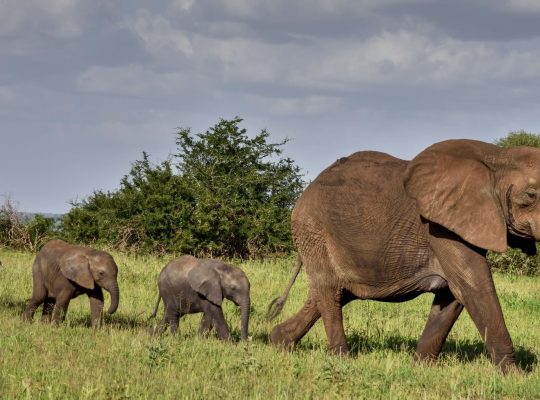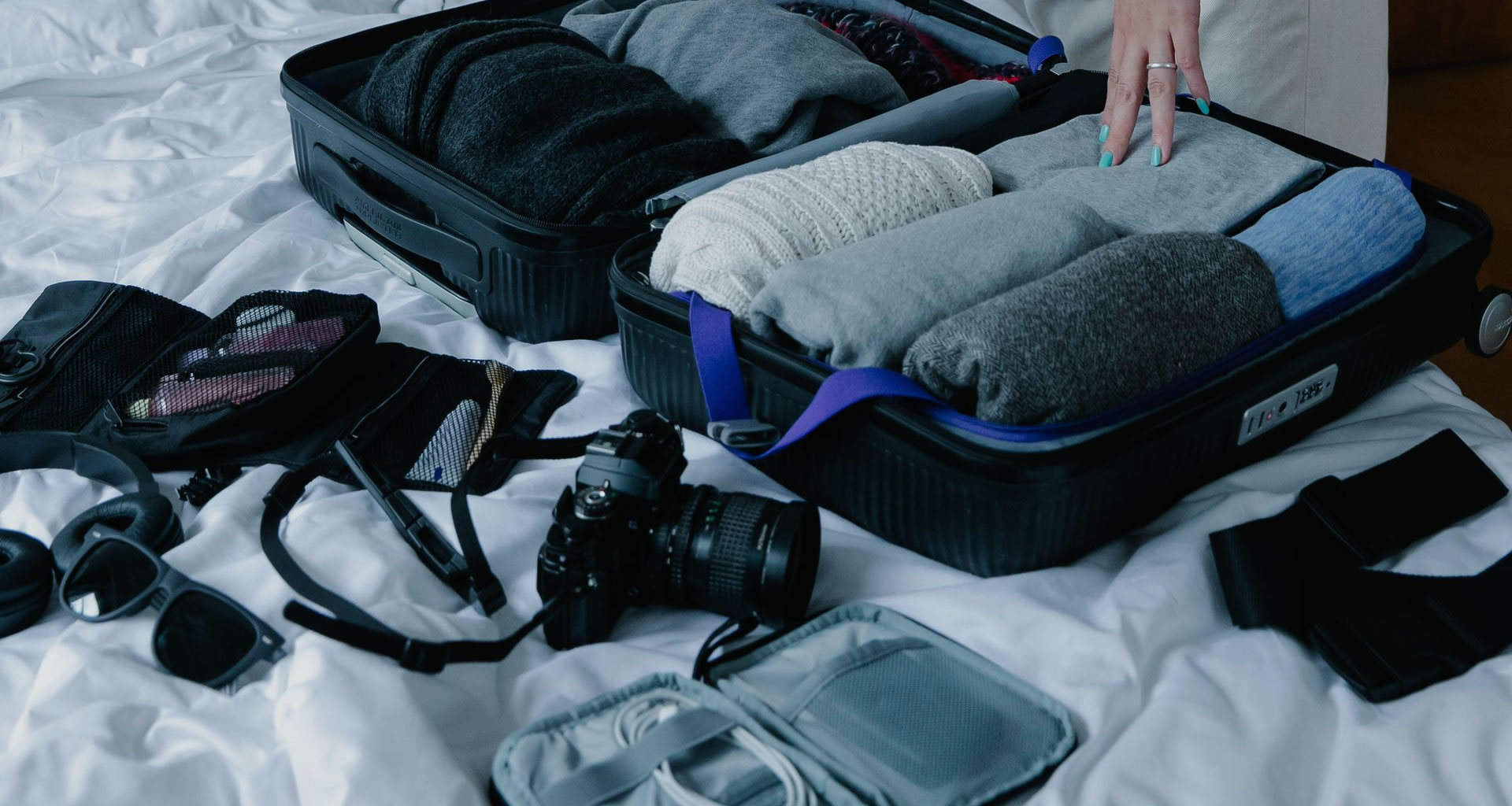
Packing for an East African safari is different from packing for a typical vacation. Your journey may take you from open grasslands filled with elephants and lions to mist-covered rainforests where mountain gorillas live deep within dense vegetation. Each destination presents its own weather, terrain, and challenges, making it important to pack carefully before you travel.
Many visitors underestimate how quickly conditions can change during a safari. Early morning game drives often begin in chilly temperatures, afternoons can become hot and dusty, and tropical rain showers can arrive without much warning. Gorilla trekking introduces another layer of preparation, with steep forest trails, muddy slopes, and several hours of hiking through thick vegetation.
Packing smart does not mean bringing more luggage. Most domestic flights across East Africa have baggage limits of between 15 and 20 kilograms, so every item should serve a purpose. Choosing lightweight clothing, versatile gear, and reliable equipment allows you to travel comfortably while staying within airline restrictions.
This guide covers everything you need for gorilla trekking, traditional safaris, and general travel across Uganda, Rwanda, Kenya, and Tanzania.
Choose Clothing That Works in Different Conditions
Layering is one of the best packing strategies for an East African safari. Temperatures change throughout the day, particularly in highland areas where gorilla trekking takes place.
Quick-drying long-sleeved hiking shirts are an excellent choice because they protect your skin from insects, thorny vegetation, and strong sunlight. Neutral colors such as olive green, khaki, brown, and beige work well because they blend naturally into the environment and are less likely to attract insects or disturb wildlife.
Pack two or three lightweight hiking trousers made from breathable materials. Convertible trousers with zip-off legs offer extra flexibility if temperatures rise during the day.
A waterproof rain jacket should always be included, even if you are traveling during the dry season. Rain can fall at any time in mountain rainforests, and staying dry makes long treks much more comfortable.
Early morning game drives and evenings in the mountains can become surprisingly cool, so a lightweight fleece or insulated jacket is worth carrying throughout your trip.
Comfortable T-shirts, moisture-wicking base layers, underwear, quality hiking socks, swimwear, and lightweight sleepwear complete most travelers’ clothing needs.
Visitors should avoid bright colors, camouflage clothing, and heavy cotton fabrics, which absorb moisture and take much longer to dry.
Invest in Good Footwear
Few items are as important as your hiking boots.
Gorilla trekking involves walking across muddy trails, slippery rocks, exposed roots, and steep hillsides. Waterproof hiking boots with strong ankle support provide stability and help reduce the risk of slipping.
Your boots should already be broken in before your trip. Wearing brand-new boots on a long hike often leads to painful blisters that can quickly spoil your adventure.
A second pair of lightweight walking shoes or sandals is useful around lodges after a day of hiking. Many travelers also pack gaiters, which help keep mud, insects, and small stones out of their boots during rainforest treks.
Essential Gear for Gorilla Trekking and Safaris
The right equipment makes your safari far more enjoyable without adding unnecessary weight.
A comfortable daypack with a waterproof cover allows you to carry drinking water, snacks, rain gear, cameras, and personal items during gorilla trekking. Most visitors choose a backpack between 25 and 35 liters.
Walking poles can be extremely helpful on steep forest trails, especially after rainfall. They provide extra balance while reducing pressure on your knees during long descents.
Binoculars are one of the most valuable pieces of safari equipment. Whether you are watching birds in Kibale Forest or searching for leopards in Queen Elizabeth National Park, a quality pair of binoculars helps you spot wildlife that may otherwise go unnoticed.
If you enjoy photography, carry extra batteries, memory cards, and protective cases for your equipment. Dust is common during game drives, so waterproof pouches or sealable bags help protect cameras and electronics.
A wide-brimmed hat, sunglasses, reusable water bottle, dry bags, and packing cubes also make traveling much easier.
Health and Personal Care Items
Preparing for your health before leaving home is just as important as packing the right clothing.
Consult your doctor about malaria prevention before traveling. Preventive medication is recommended for many safari destinations throughout East Africa.
Carry a reliable insect repellent containing DEET or picaridin, especially if you plan to spend time outdoors during the evening. Sunscreen with a high SPF, lip balm, and hand sanitizer should also remain easily accessible throughout your journey.
A small first aid kit is useful for treating minor cuts, blisters, headaches, stomach upsets, or insect bites. Include adhesive bandages, blister treatment, pain relief medication, antihistamines, tweezers, rehydration salts, and any prescription medication you require.
Women traveling to remote safari areas should pack enough personal hygiene products for the duration of the trip, as some items may not always be available outside major towns.
Don’t Forget Your Electronics
Most safari lodges provide electricity, although charging times may be limited in remote locations.
A universal travel adapter works across multiple East African countries, making it easier to charge your devices throughout the journey.
A portable power bank provides additional security during long travel days or extended game drives where charging facilities are unavailable.
Downloading offline maps before departure can be helpful, particularly when traveling between remote destinations with limited mobile coverage.
Many travelers also bring an e-reader or tablet to enjoy during quiet afternoons at safari lodges.
Keep Your Travel Documents Organized
Your travel documents should always be stored in a waterproof folder or travel wallet.
Carry your passport, travel insurance details, flight confirmations, accommodation bookings, visa approvals, and copies of your gorilla trekking permits in both printed and digital formats.
Most East African countries require passports to remain valid for at least six months beyond your travel dates.
If your itinerary includes Uganda or multiple East African countries, remember to carry your original yellow fever vaccination certificate, as border officials may request it during immigration procedures.
Having digital backups stored securely online provides extra peace of mind if any documents are lost during your journey.
What to Pack for Gorilla Trekking
Gorilla trekking requires a little more preparation than a traditional safari.
Expect to spend several hours walking through mountainous rainforest, sometimes across steep and muddy terrain. Lightweight gloves are useful for gripping branches and avoiding thorny vegetation.
Carry plenty of drinking water and a few high-energy snacks to stay comfortable throughout the hike. A small towel and a fresh change of clothing can also make the return journey much more enjoyable after several hours in humid conditions.
Many visitors choose to hire a local porter, who carries heavier bags while providing assistance across difficult sections of the trail. Hiring a porter not only makes the hike easier but also supports local employment.
Safari Packing Tips
Game drives begin early, often before sunrise when temperatures are at their lowest. Dressing in layers allows you to stay warm during the morning before removing clothing as the day becomes hotter.
Open safari vehicles can become dusty, especially during the dry season. A lightweight scarf or neck gaiter helps protect your face while adding extra comfort during long drives.
Always keep your camera, binoculars, sunscreen, and drinking water within easy reach, as wildlife sightings often happen without warning.
What You Should Leave at Home
Packing lighter almost always leads to a better safari experience.
Avoid hard-sided suitcases because many domestic flights prefer soft duffel bags that fit more easily into small aircraft.
Single-use plastic bags are restricted in several East African countries, making reusable packing solutions the better option.
Drones are heavily regulated and often prohibited inside national parks without special permits. Expensive jewelry and other valuable items are also best left at home.
Pack Smart and Enjoy Every Moment
Packing well allows you to spend less time worrying about your equipment and more time enjoying the incredible experiences waiting for you across East Africa. From standing quietly before a mountain gorilla family in the forests of Bwindi or Volcanoes National Park to watching lions, elephants, giraffes, and zebras roam across the savannah, every destination offers something unforgettable.
By choosing lightweight clothing, reliable hiking boots, practical safari gear, and well-organized travel documents, you’ll be prepared for every stage of your journey. A carefully packed bag not only makes travel easier but also gives you the freedom to focus on what matters most: experiencing the extraordinary wildlife, landscapes, and cultures that make East Africa one of the world’s greatest travel destinations.