

Uganda Gorilla Trekking Is Seeing Strong Demand in 2026
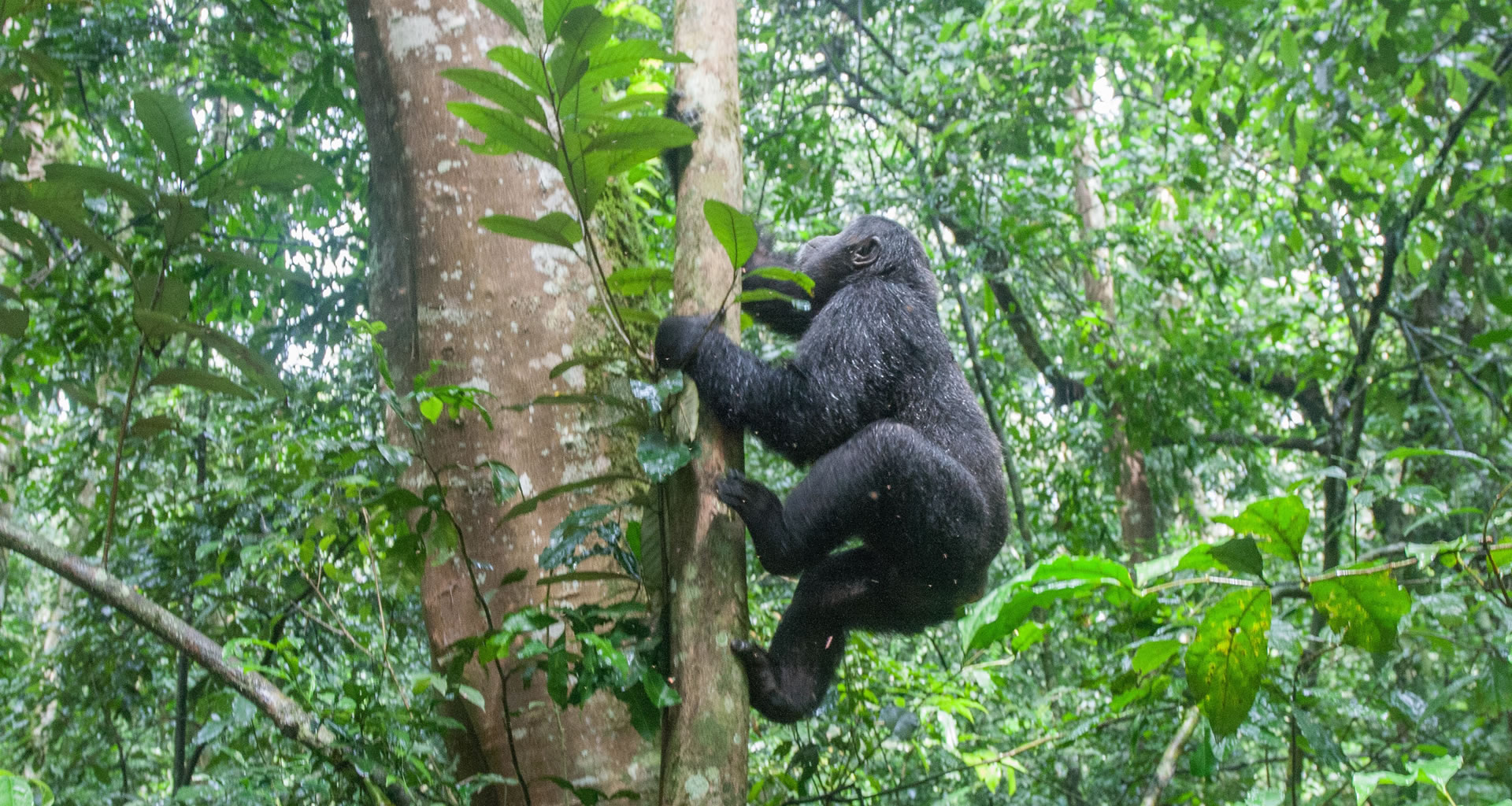
Uganda gorilla trekking is attracting strong demand in 2026 as more travelers seek the chance to see mountain gorillas in their natural habitat.
The country’s two gorilla destinations, Bwindi Impenetrable National Park and Mgahinga Gorilla National Park, continue to draw visitors from around the world. The increase in tourism is also generating significant revenue for Uganda’s protected areas and surrounding communities.
During the 2025/26 financial year, gorilla tourism generated about Shs110 billion from Bwindi and Mgahinga combined. This represented a major share of the Shs162.5 billion generated by the two parks during the period.
Uganda is also home to more than half of the world’s remaining mountain gorillas. A new gorilla census launched in May 2025 is expected to provide updated population figures once the final DNA analysis is completed. The previous verified Bwindi-Sarambwe census recorded 459 gorillas.
For travelers, the growing demand means one thing is clear: planning a Uganda gorilla trekking safari early can make it easier to secure the preferred trekking date, sector and accommodation.
How Much Does Gorilla Trekking Cost in Uganda in 2026?
The gorilla trekking permit is the biggest cost to consider when planning a Uganda gorilla safari.
For foreign non-residents, the standard gorilla trekking permit costs $800 during the regular season. The permit provides one hour of viewing time with the gorilla family once the group has been located.
Uganda also offers discounted permits during selected low-season months.
The current 2026 rates include:
- Foreign non-residents: $800
- Foreign non-residents during April, May and November: $600
- Foreign residents: around $700
- Foreign residents during the low season: around $500
- East African citizens: around UGX 300,000
- Gorilla Habituation Experience: $1,500
Permit prices and conditions can change, so travelers should confirm the current Uganda Wildlife Authority tariff before making payment.
The lower rates during April, May and November can be useful for travelers who have flexible dates. These months can bring more rain and muddy trails, but they can also offer lower costs and fewer visitors.
What Does the Gorilla Trekking Permit Include?
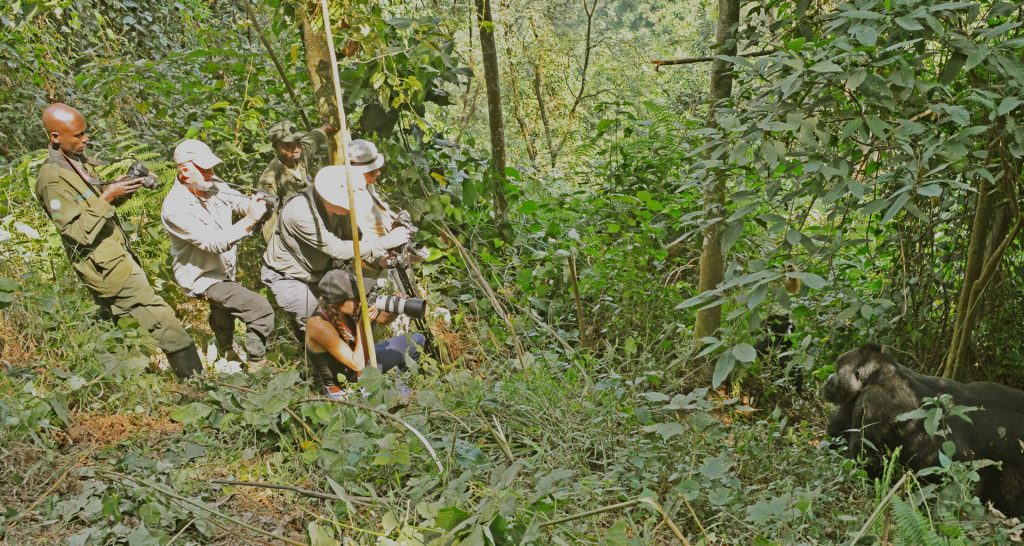
A standard Uganda gorilla trekking permit gives you access to a guided trek and one hour of observation with a habituated gorilla family.
The trek itself can take much longer than one hour. Rangers and trackers lead visitors through the forest in search of the assigned gorilla family.
Once the family is located, visitors have one hour to observe the gorillas.
The permit also contributes to the management of the protected areas and the conservation work surrounding mountain gorillas.
Only a limited number of visitors are permitted to visit each gorilla family each day. A maximum of about eight visitors is generally allowed per habituated family.
This limit helps reduce pressure on the gorillas and controls the number of people entering their habitat.
Why You Should Book Your Gorilla Permit Early
The growing demand for Uganda gorilla trekking means popular dates can fill quickly.
July and August are among the busiest months, while June through September and December through February are generally popular dry-season travel periods.
Travelers who want specific dates should consider booking six to twelve months in advance, particularly if they want a particular gorilla trekking sector or lodge.
As of 2026, the previous seven-day soft-hold arrangement is no longer available. Full payment is required when securing the permit.
Foreign travelers will also generally work through a licensed Ugandan tour operator when arranging their gorilla trekking permit and safari.
This is where working with a local safari company can make the planning process easier. Adept Travel Safaris can help travelers arrange gorilla permits, accommodation, transport and other activities as part of a complete Uganda safari.
Where Can You Go Gorilla Trekking in Uganda?
Uganda has two national parks where travelers can trek mountain gorillas.
Bwindi Impenetrable National Park
Bwindi is Uganda’s main gorilla trekking destination and is divided into four main trekking sectors:
- Buhoma
- Ruhija
- Rushaga
- Nkuringo
Each sector has its own gorilla families and accommodation options.
Your choice of sector matters because the sectors are separated by the difficult terrain of Bwindi. Staying close to your assigned trekking sector is important because driving between sectors can take several hours.
Buhoma
Buhoma is one of the best-known areas of Bwindi and has a long history of gorilla tourism.
It is popular with visitors and can become fully booked during busy travel periods.
The area also has accommodation options ranging from budget and mid-range properties to luxury lodges.
Ruhija
Ruhija is located in the eastern part of Bwindi.
Travelers who prefer a quieter setting may consider this sector. It is also known for its forest scenery and birdlife.
Ruhija can be combined with other attractions in southwestern Uganda depending on the safari route.
Rushaga
Rushaga is located in southern Bwindi and has several habituated gorilla groups.
It is also the main area for the Gorilla Habituation Experience, making it an option for travelers who want to spend more time observing gorillas.
The area has become increasingly popular as Uganda’s gorilla tourism continues to grow.
Nkuringo
Nkuringo is known for steep terrain.
Trekking here can be physically demanding, especially for visitors who are not accustomed to hiking on hills.
The sector also offers views across the surrounding landscape and is often included in longer southwestern Uganda safari itineraries.
Gorilla Trekking in Mgahinga National Park
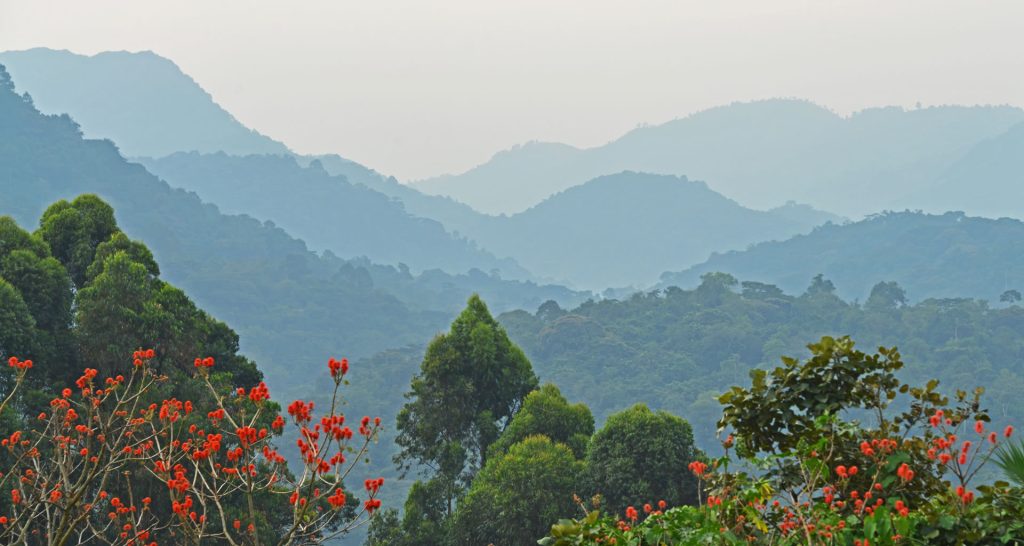
Bwindi receives most of Uganda’s gorilla trekking attention, but Mgahinga Gorilla National Park offers another option.
Mgahinga is part of the larger Virunga conservation area shared by Uganda, Rwanda and the Democratic Republic of Congo.
The park is home to the Nyakagezi gorilla family, which is available for trekking when the group is within Uganda and open for tourism.
Mgahinga is smaller than Bwindi and can sometimes provide an alternative when travelers are looking for availability.
The park also offers other activities, including golden monkey tracking and hiking on the Virunga volcanoes.
What Is the Gorilla Habituation Experience?
Travelers who want more time with gorillas can consider the Gorilla Habituation Experience.
The experience costs around $1,500 for foreign non-residents and allows visitors to spend up to four hours with a semi-habituated gorilla group.
It is mainly available in the Rushaga sector of Bwindi.
The experience is different from standard gorilla trekking. Instead of one hour with a fully habituated family, participants spend a longer period observing gorillas while researchers and trackers work with the group.
The longer viewing period makes it particularly interesting for photographers and travelers who want to learn more about gorilla behavior.
Because the experience is more limited, booking well ahead is recommended.
What Is Gorilla Trekking in Uganda Like?
Gorilla trekking is a hiking experience through dense forest and mountainous terrain.
The amount of walking required varies from one day to another. You could spend one to six hours or more looking for your assigned gorilla family.
The location of the gorillas is one of the main factors that determines the length of the trek.
UWA rangers and trackers lead the group and communicate with trackers who have been monitoring the gorilla families.
Once the gorillas are found, the group follows the established viewing rules.
You are allowed one hour with the family during standard gorilla trekking.
The experience can involve watching gorillas feed, move through vegetation, groom each other, rest or interact with members of their group.
Because these are wild animals, there is no fixed script for what you will see.
Rules to Follow During Gorilla Trekking
Gorilla trekking comes with strict rules designed to protect both visitors and gorillas.
Maintain the required distance from the gorillas and follow the instructions given by your ranger.
Do not touch the gorillas, even if one approaches you.
Flash photography is not permitted.
Avoid making loud noises or sudden movements.
Do not eat or drink close to the gorillas.
If you are sick, inform your safari operator and ranger before the trek. Human illnesses can pose a serious risk to gorillas because of their close genetic relationship with humans.
These rules are not just formal requirements. They help reduce stress and limit the risk of disease transmission between people and gorillas.
What Should You Pack for Gorilla Trekking?
Good preparation makes a difference during a gorilla trek.
Bwindi and Mgahinga are forest environments with unpredictable weather. Rain can occur even during the drier months.
Pack sturdy hiking boots with good grip. You should also carry a waterproof jacket or rain poncho.
Useful items include:
- Long trousers
- Long-sleeved shirts
- Sturdy hiking boots
- Waterproof jacket
- Small backpack
- Drinking water
- Insect repellent
- Camera
- Extra batteries or power bank
- Hat
- Gardening or hiking gloves
Long clothing can help protect you from vegetation and insects.
A walking stick can also be useful, particularly on steep or muddy trails.
Do You Need a Porter for Gorilla Trekking?
Hiring a porter is recommended, especially for travelers who are not regular hikers.
Porters can carry your backpack and help you navigate difficult sections of the trail.
Hiring a porter also provides direct income to people living around the national parks.
The trek can involve steep climbs and muddy paths, so having someone carry your heavier items can allow you to focus on the forest experience.
You can arrange a porter through your safari operator or at the park.
Best Time for Gorilla Trekking in Uganda
Gorilla trekking takes place throughout the year.
The dry seasons from June to September and December to February are generally popular because trails can be easier to walk.
These are also busy travel periods, so permits and accommodation should be booked early.
The wetter months can bring muddy trails, but the forest is greener and visitor numbers can be lower.
April, May and November also have discounted gorilla permit rates for foreign non-residents.
If your priority is saving on the permit cost, these months may be worth considering.
If you prefer generally firmer trails, you may prefer one of the drier periods.
There is no guaranteed weather pattern, so rain gear should be included in your packing list regardless of your travel month.
Uganda vs Rwanda Gorilla Trekking
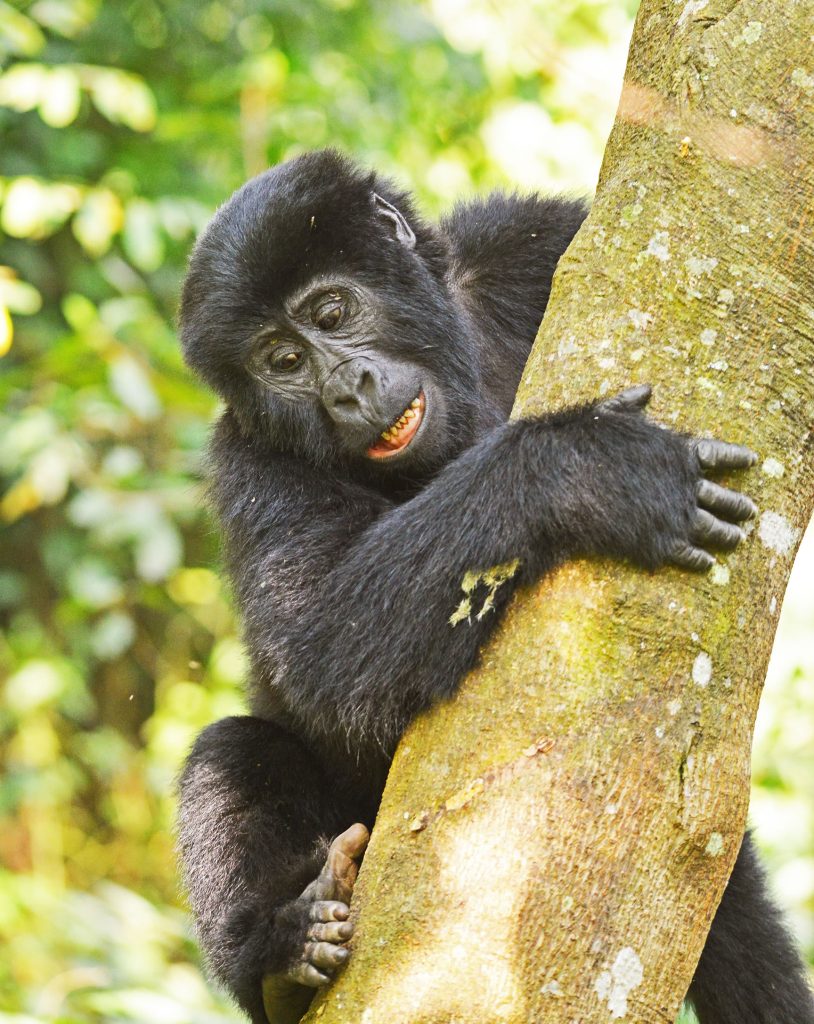
Uganda is one of the main destinations for mountain gorilla trekking in East Africa.
The standard foreign non-resident gorilla permit in Uganda costs $800, while Rwanda’s standard permit is currently $1,500.
The difference can be significant for travelers planning a longer East African safari.
Uganda also offers the $1,500 Gorilla Habituation Experience, which provides up to four hours with a semi-habituated group.
The choice between destinations will depend on factors such as your safari route, budget, preferred trekking area, accommodation and available dates.
Travelers should check current permit prices and park rules for both countries before making their plans.
Combine Gorilla Trekking With a Uganda Safari
Gorilla trekking can be part of a much longer Uganda safari.
Many travelers combine Bwindi with Queen Elizabeth National Park. The Ishasha sector is known for its tree-climbing lions, while the northern part of the park offers classic savannah wildlife viewing.
Kibale National Park is another popular addition. Here, visitors can take part in chimpanzee tracking and explore the rainforest.
Other options include Murchison Falls National Park, Lake Mburo National Park and cultural experiences in different parts of the country.
A multi-destination itinerary allows travelers to experience Uganda’s forests, savannahs, wildlife and local communities during one trip.
Adept Travel Safaris can help organize these different activities into one Uganda safari itinerary, including gorilla permits, chimpanzee tracking, game drives, accommodation and transportation.
How Gorilla Tourism Supports Conservation
Gorilla tourism provides important funding for Uganda’s protected areas.
Revenue from permits contributes to park management, ranger activities, conservation work and other services required to protect the forests and wildlife.
Communities around the parks also benefit from tourism revenue-sharing programs.
The connection between tourism and conservation is especially important for mountain gorillas because their survival depends on the protection of their forest habitat.
As more travelers visit Uganda for gorilla trekking, the income generated by tourism can support the systems responsible for protecting these animals and their habitat.
Why 2026 Is an Important Year for Uganda Gorilla Safaris
Uganda’s gorilla tourism sector is entering 2026 with strong visitor demand and significant tourism revenue. The growing number of bookings also means travelers need to plan carefully.
If you have a specific travel date, trekking sector or lodge in mind, waiting until the last minute may limit your options. Start by deciding when you want to travel, then check gorilla permit availability and accommodation before confirming the rest of your itinerary.
For travelers who want help organizing everything in one place, Adept Travel Safaris is a Uganda-based safari company that can arrange gorilla trekking permits, transport, accommodation and other safari activities.
Their local knowledge can also help you choose between Bwindi’s four sectors, Mgahinga and other destinations based on your travel plans.
Plan Your Uganda Gorilla Trekking Safari
Uganda gorilla trekking offers the chance to spend time in the forests of Bwindi or Mgahinga while supporting the tourism system that helps protect mountain gorillas.
With permits costing $800 for foreign non-residents during the standard season and discounted rates available in April, May and November, travelers have different options when planning their safari.
The key is to book early, especially for the busy dry-season months. If you are ready to plan your trip, Adept Travel Safaris can help arrange your Uganda gorilla safari from permits and accommodation to transport and additional wildlife experiences.
A well-planned itinerary can combine gorilla trekking with chimpanzee tracking, wildlife viewing and cultural experiences, giving you more than a single activity during your time in Uganda.