Uganda offers a mix of wildlife encounters, natural beauty, and cultural richness. To make the most of your trip, it helps to understand how things work on the ground. From visas to transport, here’s what you should know before you travel.
Visa and Entry Requirements
Most travelers need a visa to enter Uganda. You can apply for an e-visa online before departure through the official immigration portal. Processing typically takes a few working days, and you’ll need a passport photo, a copy of your passport, and a yellow fever vaccination certificate. The visa is usually valid for 90 days. If you’re visiting Rwanda or Kenya as well, consider the East African Tourist Visa, which covers all three countries with a single application.
Vaccinations and Health
Yellow fever vaccination is mandatory for entry. Other recommended vaccines include hepatitis A and B, typhoid, and tetanus. Malaria is present across Uganda, so travelers are advised to take antimalarial medication and use insect repellent and bed nets. Carry a basic first aid kit with essentials, and drink bottled or purified water to avoid stomach issues. Some lodges and camps provide filtered water refills, so consider packing a reusable bottle.
Money and Payments
Uganda uses the Ugandan Shilling (UGX). US dollars are widely accepted for tourism-related payments like safaris, park fees, and hotel bookings, but make sure your bills are in good condition and printed from 2009 onward. ATMs are available in towns and cities, and mobile money is widely used across the country, even in rural areas. Credit cards are accepted in some hotels and lodges but not always reliable, so carry some cash for daily expenses.
Getting Around
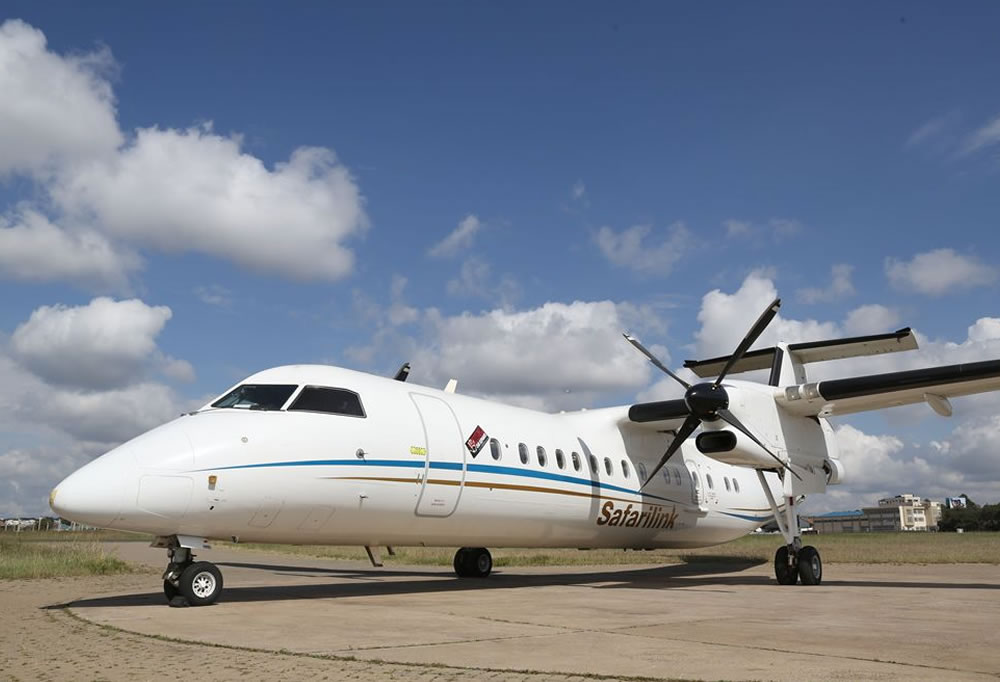
Domestic travel often involves long road journeys, especially when heading to national parks. Roads are generally in fair condition between major towns, but routes to parks like Kidepo or Bwindi can be rough. A 4×4 vehicle is ideal for safari travel. Flights are available to some parks, but they are more expensive. Within cities like Kampala and Entebbe, taxis and boda-bodas (motorbike taxis) are the most common transport, though safety varies. Always agree on a fare before getting in, or use ride-hailing apps like SafeBoda.
Weather and When to Go
Uganda’s climate is mostly tropical with two wet seasons—March to May and October to November. The dry seasons from June to September and December to February are best for wildlife viewing and trekking. Temperatures are generally moderate due to the country’s elevation, but it can get hot in the north and chilly in the highlands. Pack for both warm days and cool nights, especially if you’re heading to areas like the Rwenzori Mountains or Lake Bunyonyi.
Cultural Etiquette
Ugandans are welcoming and polite. Greetings matter, especially when entering a shop, home, or community setting. A handshake is common, and it’s respectful to use titles like “Mister” or “Madam” when addressing adults. Dress modestly, especially in rural areas or when visiting religious or cultural sites. Avoid public displays of affection, as conservative values are widely held.
Photography is generally acceptable, but always ask before taking photos of people, especially in villages or markets. Some government buildings and security areas may prohibit photography.
Language and Communication
English is the official language and is widely spoken in towns, schools, and tourism settings. Luganda is the most commonly spoken local language in central Uganda, while Swahili is also understood in some areas. Learning a few local greetings can go a long way in connecting with people.
Internet access is available in urban areas, and local SIM cards are affordable and easy to buy at the airport or in town. MTN and Airtel are the most reliable networks. You’ll need your passport to register a SIM card.
Safety and Security
Uganda is generally safe for travelers, especially in tourist areas. Exercise the same caution you would anywhere: avoid walking alone at night in unfamiliar places, don’t carry large sums of cash, and keep valuables secure. Political protests can happen, particularly in Kampala. Stay aware of local news and follow advice from your tour operator or hotel.
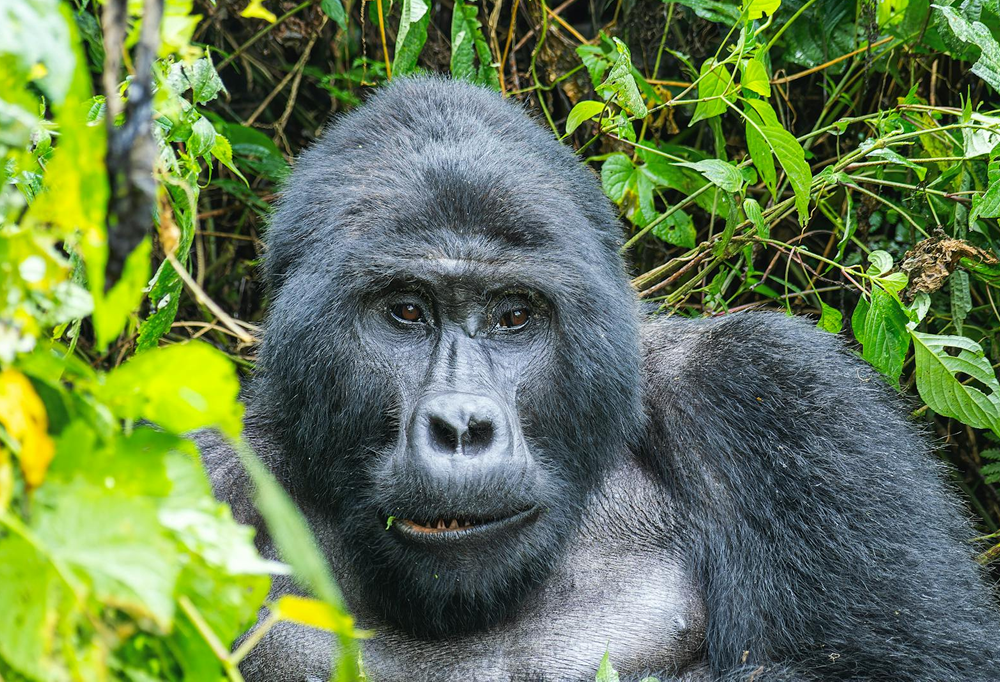
National parks and reserves are well-managed and safe, with experienced guides and rangers. Always follow instructions during treks and game drives, especially during gorilla or chimpanzee encounters.
Responsible Travel
Uganda has made efforts to promote community-based tourism. When possible, choose local guides, buy handmade crafts from artisans, and stay at lodges that support conservation or education initiatives. Be mindful when visiting communities or engaging in cultural tours. Respect local customs and avoid giving gifts or money to children.
Packing Essentials
Prepare for a range of activities—from game drives and forest hikes to boat trips and city walks. Bring practical clothing, a camera, binoculars, insect repellent, sunscreen, and a flashlight. For gorilla trekking, you’ll need sturdy hiking boots, long trousers, gloves, and a waterproof jacket.
Planning ahead ensures you enjoy the diversity of Uganda with confidence and respect. Whether you’re tracking mountain gorillas, cruising the Nile, or learning from local communities, the trip offers experiences you won’t find anywhere else.