A safari in Uganda offers more than a checklist of animals. It is a complete journey through diverse ecosystems, intimate wildlife encounters, and interactions with local communities. The country’s compact size, combined with its remarkable biodiversity, allows you to experience savannahs, tropical rainforests, wetlands, crater lakes, and highland ranges all within a single itinerary. Here is what you can expect from the moment your safari begins.
Close Encounters with Wildlife
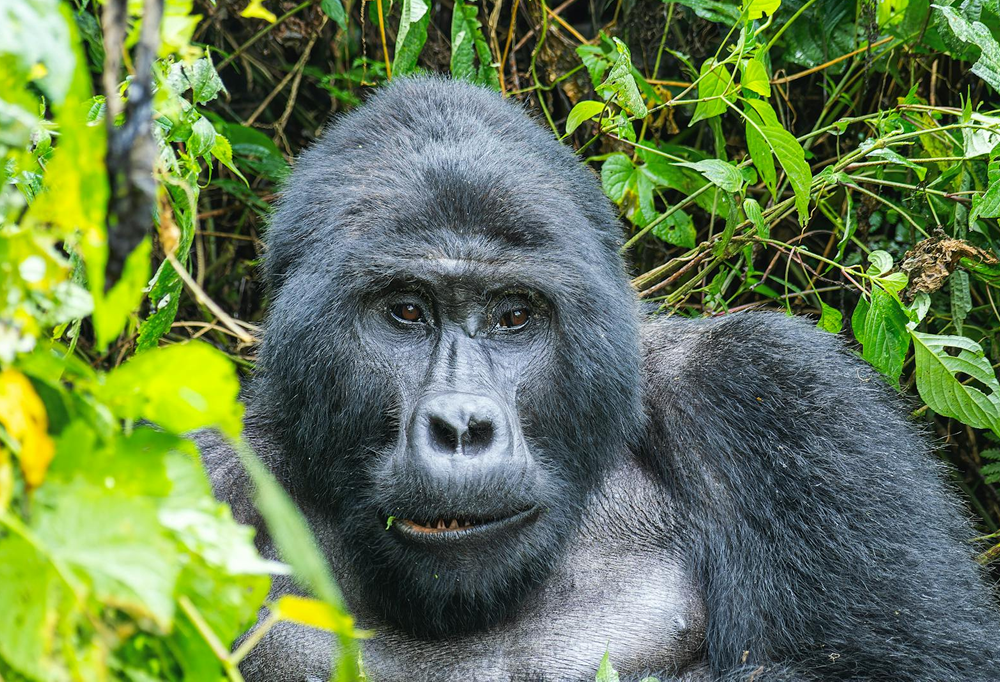
Uganda is home to more than half of the world’s remaining mountain gorillas. Trekking through the dense jungles of Bwindi Impenetrable National Park or Mgahinga Gorilla National Park is an experience that places you within feet of these powerful yet peaceful primates. Permits are limited each day, and trekking can last anywhere from two to eight hours, depending on the gorillas’ movements. Once located, you spend up to one hour observing their behavior, social structure, and interactions. The moment is quiet and respectful, but intensely moving.
In addition to gorillas, chimpanzee tracking in Kibale Forest or Kyambura Gorge offers another primate highlight. These troops are more vocal and active, often swinging from trees or moving in large groups. Spotting them requires patience and a good guide, but the experience feels raw and unrehearsed.
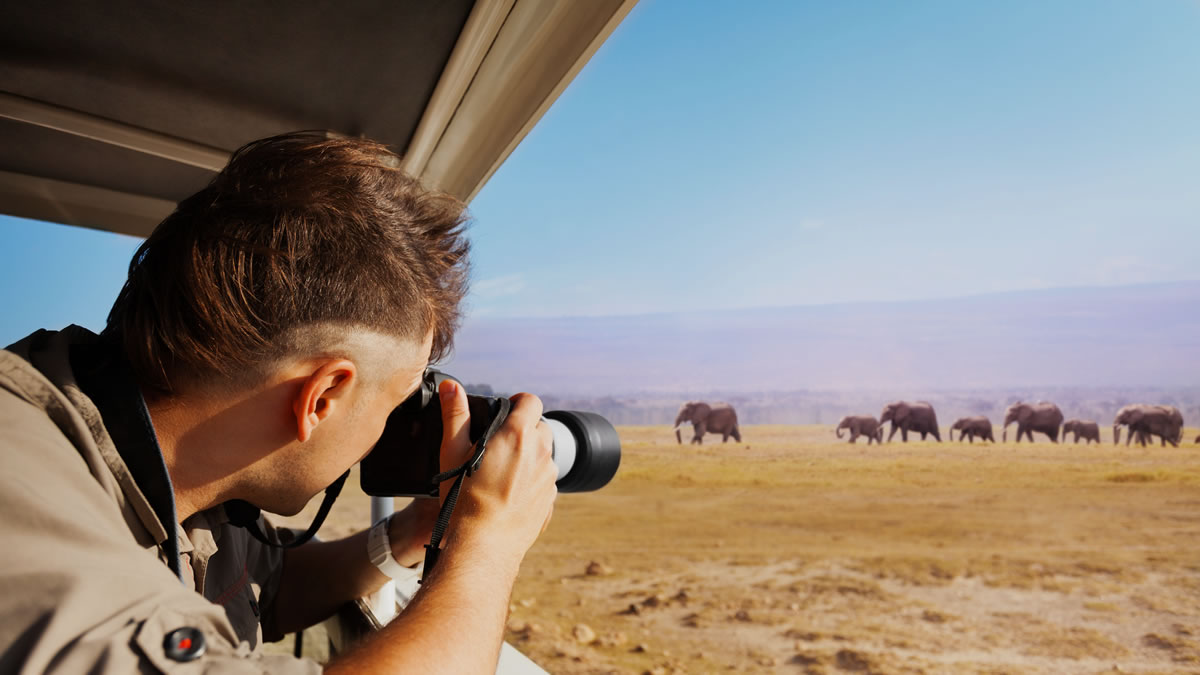
Game drives in Queen Elizabeth, Murchison Falls, and Kidepo Valley National Parks deliver Uganda’s version of the classic African safari. Lions, leopards, elephants, buffalo, and antelope are regularly spotted. You will often begin before sunrise or in the late afternoon, with a trained guide navigating the tracks and pointing out less obvious animals like servals, hyenas, or monitor lizards. River cruises along the Nile or Kazinga Channel add another layer, where you can get close to hippos, crocodiles, and water birds from the safety of a boat.
Scenery that Changes Daily
No two days on a Ugandan safari look or feel the same. You might begin in open savannah plains and end up in thick montane forest or volcanic highlands. Even within a single park, the terrain varies—Murchison Falls combines palm-dotted plains, papyrus swamps, and the roaring falls where the Nile squeezes through a 7-meter gorge. Queen Elizabeth National Park includes volcanic crater lakes, forested gorges, and open plains, all within driving distance. Kidepo Valley in the far northeast offers sweeping semi-arid views and feels remote and untouched.
Cultural Interactions Along the Way
Cultural visits are part of many itineraries. You may meet the Batwa community, the original forest dwellers of the southwestern region, who share their hunting and gathering traditions through storytelling and demonstration. In northern Uganda, a walk through a Karamojong village introduces you to a pastoralist lifestyle centered around cattle, singing, and dance.
In many places, lodge staff and guides come from nearby villages and are proud to explain their customs, foods, and beliefs. Whether you are learning about local banana brewing, basket weaving, or traditional medicine, these encounters feel authentic and grounded.
Comfortable Stays in Wild Places
Safari lodges in Uganda range from basic bush camps to luxury retreats. Many lodges are located within or near the national parks, giving you early access to wildlife viewing. Most rooms are private cottages or tented suites with en-suite bathrooms, mosquito nets, and views of the surrounding wilderness. Some properties offer solar power, locally sourced meals, and nature trails within the lodge grounds. It is common to hear hippos grunting at night near the water or monkeys playing on your roof at dawn.
In remote areas like Kidepo or Bwindi, some travel time is required, but the remoteness adds to the feeling of escape. Road transfers can take several hours, though domestic flights are available between major parks for those who prefer to save time.
Expert Guides and Safe Exploration
Your safari is led by an experienced driver-guide who understands both the environment and logistics. Guides are often trained in tracking, birding, and ecological interpretation, making the journey educational as well as scenic. In parks with low visitor numbers, you often have sightings to yourself, which adds to the sense of adventure.
Walking safaris, chimp treks, gorilla tracking, and boat rides are guided by trained park rangers. All experiences operate under Uganda Wildlife Authority protocols, with an emphasis on safety, conservation, and low-impact tourism.
Practical Moments and Logistics
Early mornings are a routine part of the safari. Wildlife is most active around sunrise, and some activities—like gorilla tracking or game drives—begin by 6:30 or 7:00 a.m. Breakfast is often served early, and lunch might be a picnic depending on the day’s movements. Most lodges offer packed meals if you are away from base during peak hours.
Dress is practical. You will want neutral colors, a hat, sunscreen, and sturdy footwear. Rain is possible year-round, especially in forested areas, so a light jacket or poncho is useful. Laundry service is often available at lodges if you are traveling for more than a few days.
Wi-Fi can be slow or absent in some remote areas, but this is part of the appeal for many travelers who want to disconnect.
Wild Uganda, on Your Terms
A Ugandan safari can be tailored to your interests. Whether you want to track primates, photograph lions, hike near waterfalls, visit communities, or combine all these experiences, the country’s size and diversity make it possible without long internal flights or rushed schedules. Safaris can run from a long weekend to two-week journeys, each with a different rhythm.
This is not mass tourism. Safari in Uganda feels personal, uncrowded, and full of surprise. You may not always know what to expect next, but that’s exactly the charm.