Traveling to East Africa requires practical preparation. Whether you’re heading to Uganda, Rwanda, Kenya, or Tanzania, your experience will span different climates, terrain, and activities. Your packing choices should reflect this variety, focusing on comfort, function, and cultural sensitivity.
Choose Clothing for the Right Conditions
Daytime temperatures in most parts of East Africa are warm, especially in savannah regions. Lightweight cotton shirts, breathable trousers, and long-sleeved tops will keep you cool while protecting your skin from the sun and biting insects. Nights in higher altitude areas like the Rwenzori Mountains or the Ngorongoro Highlands can get cold, so a fleece jacket or light down layer is essential. Avoid bright or flashy colors during safaris, as muted earth tones help you blend into the environment and avoid attracting unnecessary attention from wildlife.
Pack clothes that dry quickly and can be washed easily. Many lodges and camps offer laundry services, so you can rotate a few outfits. A pair of quick-dry shorts and T-shirts will be useful for downtime at camp or in town, but keep modesty in mind when outside major cities.
Prepare for the Outdoors
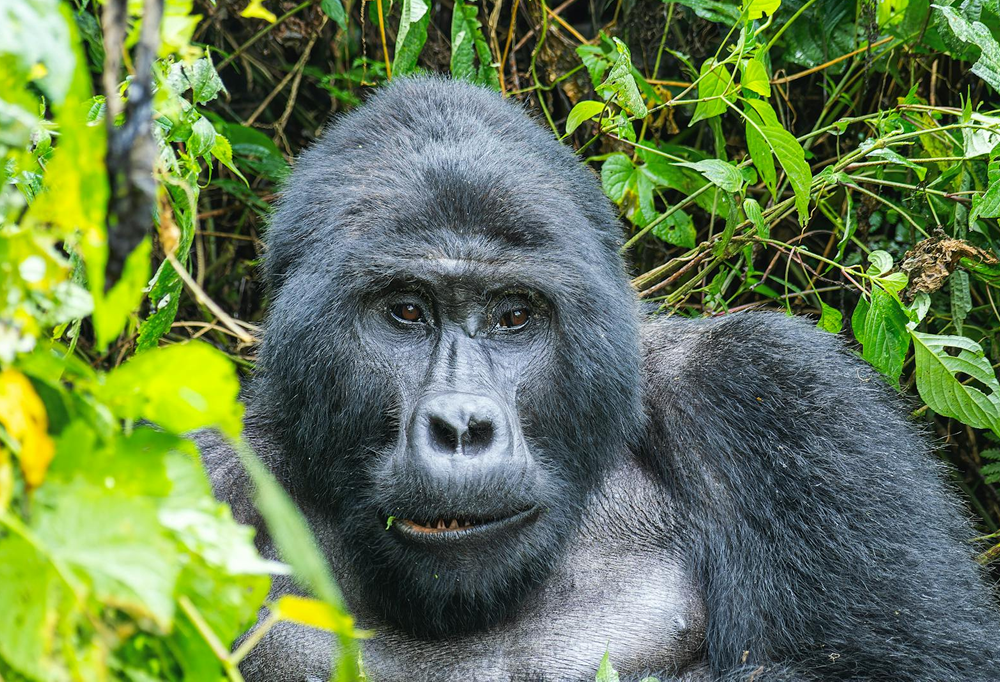
Footwear matters. A sturdy pair of hiking boots or trail shoes is a must if you’re planning gorilla trekking, nature walks, or exploring national parks on foot. Add a pair of sandals or slip-ons for camp use or city walks. Don’t forget socks that can handle long hikes.
Bring a wide-brimmed hat for sun protection, sunglasses with UV protection, and a reusable water bottle. A lightweight daypack will come in handy for carrying essentials on excursions. Pack insect repellent with DEET or picaridin, sunscreen of SPF 30 or higher, and lip balm with sunblock.
Pack for the Wildlife Experience
For safari drives and gorilla trekking, binoculars enhance your view of animals, especially in open landscapes like the Serengeti or Murchison Falls. A good camera with a zoom lens will help you capture sharp images without disturbing animals. Keep memory cards and spare batteries in a dry bag or case. Headlamps or small torches are useful for early morning or late evening movement in remote lodges.
Many parks and forest areas experience occasional showers, so a lightweight waterproof jacket or poncho will come in handy. If you’re going to the rainforest, like Bwindi or Nyungwe, pack gaiters or waterproof trousers to manage the mud.
Think Practically About Health and Security
Carry a basic first aid kit that includes painkillers, plasters, antiseptic wipes, antihistamines, and any personal medication. Include anti-malarial tablets if recommended by your doctor and carry your prescriptions in original packaging. Travel insurance documents and a copy of your yellow fever vaccination card should also go in your hand luggage.
Use a money belt or pouch to store your passport, cards, and emergency cash. Most cities and towns have ATMs, but it’s still smart to carry a small stash of US dollars in good condition for visa fees or tipping.
Adapt to Local Norms
While major cities like Nairobi and Kampala have relaxed dress codes, rural areas and small towns are more conservative. Women should bring a long skirt or loose trousers and avoid revealing tops. Men should avoid shorts in some rural or religious settings.
If you’re visiting cultural sites or local communities, dress respectfully. A scarf or shawl for covering shoulders is helpful, especially when entering places of worship or attending traditional events.
Be Ready for Connectivity and Charging Needs
While some lodges have Wi-Fi, it’s often slow or limited. If you plan to stay connected, consider buying a local SIM card with data. Bring a universal power adapter, and if traveling with multiple devices, a small power bank or solar charger is useful.
Final Packing Strategy
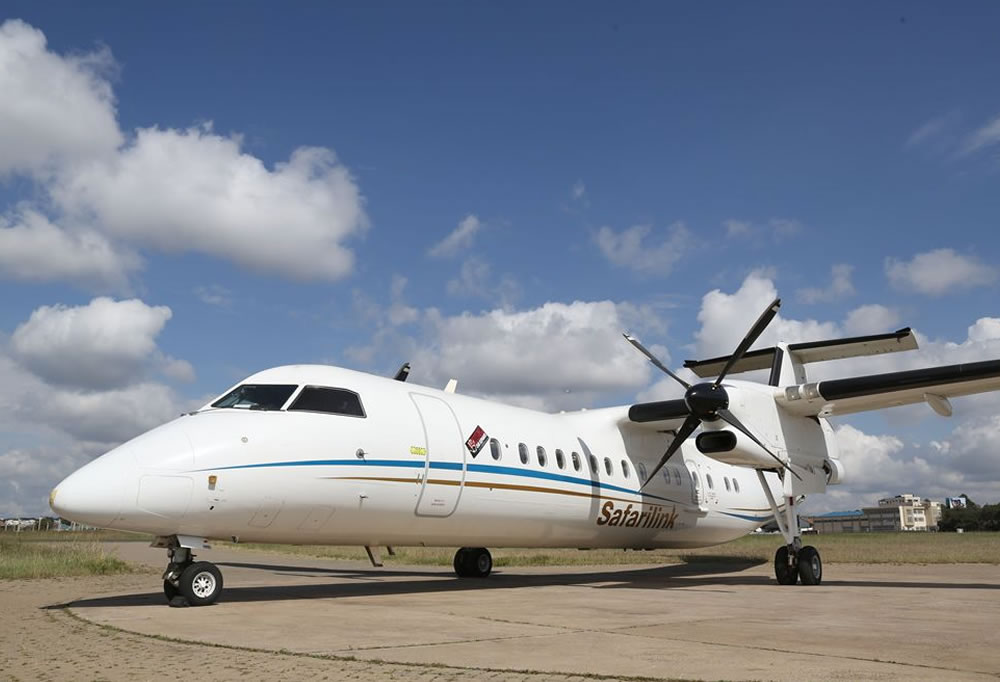
Lay out what you think you need, then remove what’s not essential. Soft-sided duffel bags are preferred for safari vehicles and bush flights due to space limitations. Pack light but smart, and leave room for souvenirs. Keep important items in your carry-on, including toiletries, one change of clothes, chargers, documents, and medication, just in case your checked bag is delayed.