A safari in East Africa can be one of the most rewarding travel experiences, but costs vary widely depending on your choices. Planning ahead helps you manage expenses while ensuring you get the experience you’re looking for. Here’s how to approach your budget for a safari in Uganda, Rwanda, Kenya, or Tanzania.
Understand What Affects Safari Costs
The first step is knowing what influences safari pricing. Key factors include the destination, time of year, accommodation type, park entry fees, transportation method, and duration of the trip. Uganda and Tanzania tend to be more budget-friendly than Rwanda, especially for gorilla trekking. Kenya offers a wide range of safari options at different price levels.
High season (typically June to October and December to February) sees higher prices due to demand and favorable weather. Traveling in the shoulder seasons can offer savings, though some roads may be harder to access after rains.
Accommodation Choices
Lodging is usually the largest part of your safari budget. You can choose from budget campsites, mid-range lodges, or high-end luxury camps. Budget accommodations may cost between $50 to $150 per night, while luxury stays can range from $500 to over $1,500 per night, often including meals, game drives, and transfers.
Mid-range lodges offer comfort without extravagance, and many have great locations near or inside parks. For travelers looking for value, these provide a balance of quality and cost.
Transport and Transfers
Getting to safari destinations can add significantly to your budget. Private road safaris are common, and hiring a 4×4 with a driver-guide usually costs between $150 to $300 per day, including fuel. This price is often shared if you’re traveling in a group.
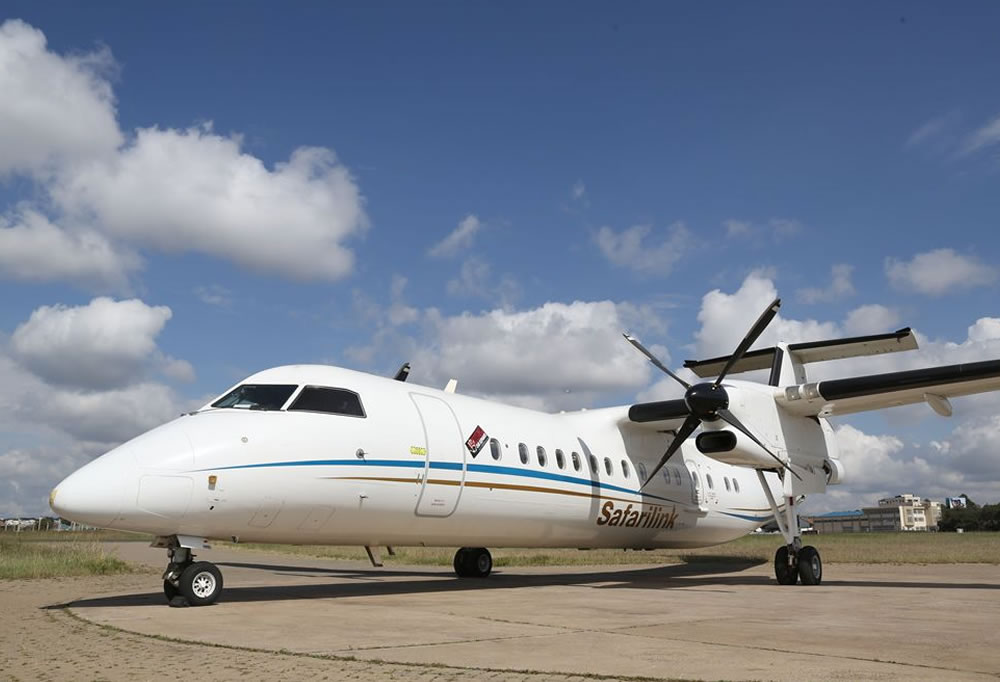
Domestic flights are faster but more expensive. A return flight from Entebbe to Kidepo, for example, can cost over $400 per person. In some cases, flying can save time and allow you to visit more remote parks, but it does increase costs.
Park Fees and Permits
Each national park or reserve charges an entry fee, typically ranging from $35 to $100 per person per day. Some parks, like Ngorongoro or Serengeti, include extra fees for vehicle access or conservation efforts.
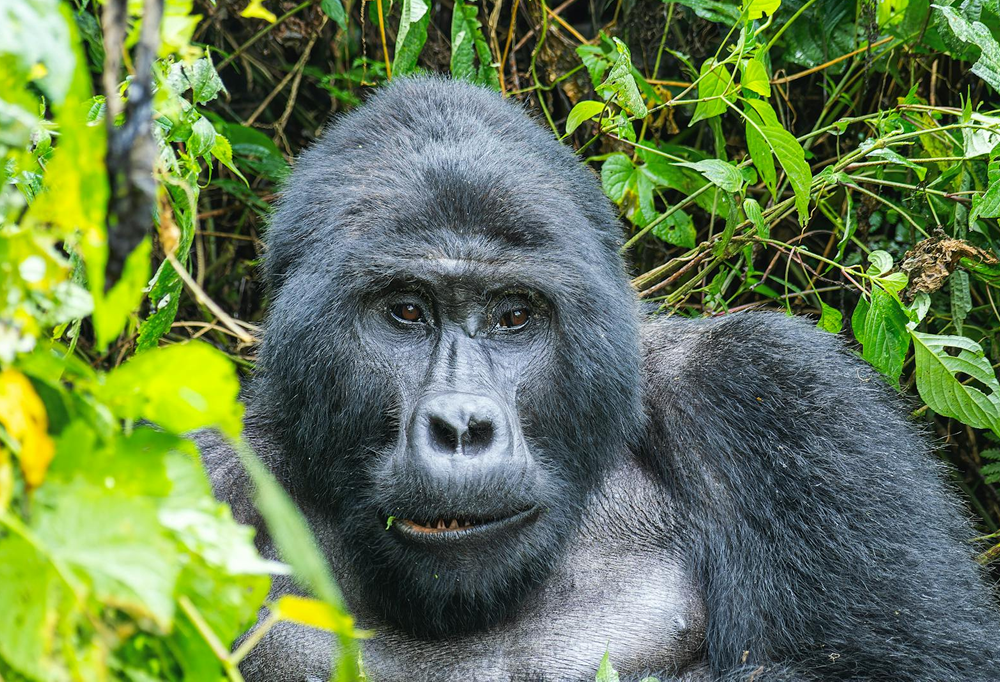
If you’re planning to trek mountain gorillas or chimpanzees, permits must be purchased in advance. In Uganda, a gorilla permit costs $800 for foreign non-residents, while Rwanda’s is priced at $1,500. Chimp trekking permits range from $100 to $250 depending on location.
Meals, Drinks, and Tips
Many safari lodges include full board, meaning your meals are covered. Drinks may be extra, especially alcohol. In cities or towns before or after your safari, meal costs vary. A local meal can cost less than $10, while a meal at a tourist-oriented restaurant might be closer to $20 or more.
Tips are customary in the safari industry. For guides, porters, or lodge staff, budgeting an extra $5 to $20 per day for tips is standard. Many travelers set aside about $150 for tips across a week-long safari.
Extras and Experiences
Add-on activities like hot air balloon rides, boat cruises, community visits, or night drives come at an additional cost. For example, a balloon safari in the Maasai Mara or Serengeti can cost over $400 per person. Cultural experiences, while generally affordable, should also be factored into your budget.
Also include costs for travel insurance, vaccinations, and any safari gear you may need to buy ahead of the trip, such as boots, clothing, binoculars, or camera equipment.
How to Save Without Compromising Experience
Group safaris reduce per-person costs. Booking with friends or joining a small group tour can bring down the price of transport and guiding. Traveling in the low or shoulder season can also result in better deals on accommodation.
Choose fewer parks and spend more time in each instead of trying to cover too many locations. This reduces transport costs and allows for a more relaxed experience.
Opt for parks with lower fees or ones closer to the city to cut down on driving distances. For example, Lake Mburo or Ziwa Rhino Sanctuary in Uganda are more affordable and accessible compared to remote parks like Kidepo.
Track Your Costs Before You Go
Build a basic breakdown that includes international flights, visa fees, insurance, accommodation, activities, meals, and personal spending. On average, a budget safari might cost $200 to $300 per day, mid-range $350 to $600, and luxury $800 to $1,500 or more.
A well-planned safari doesn’t have to be expensive to be memorable. With a clear budget and smart choices, you can enjoy rich wildlife experiences, stunning scenery, and personal comfort across East Africa.