Queen Elizabeth National Park is open year-round, but the experience can change depending on when you go. From wildlife sightings to road conditions, each season has its advantages. Understanding how weather patterns affect the park will help you choose the right time based on your travel goals.
Dry Season: June to August and December to February
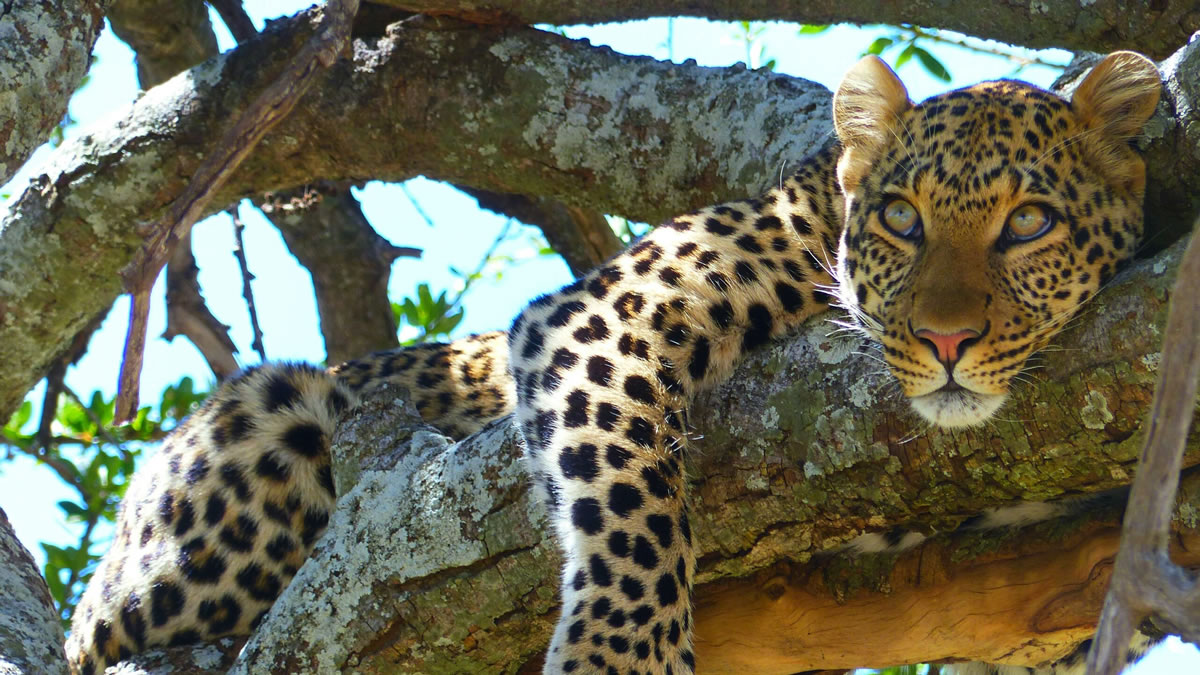
The dry months offer the best overall conditions for wildlife viewing. With less vegetation and fewer water sources in the bush, animals gather more frequently near lakes, rivers, and watering points. This makes them easier to spot on game drives and boat safaris. Roads remain firm and accessible across the park, including the routes to the remote Ishasha sector where tree-climbing lions are found. The skies are mostly clear, and temperatures stay warm during the day and mild at night. These months are especially suitable for photographers, as visibility is high and light conditions are stable. Accommodation tends to fill up faster during these months, especially in June and July, so advance booking is recommended.
Green Season: March to May and September to November
During the rainy months, Queen Elizabeth Park becomes more lush and green. Afternoon rain showers are common, but they rarely last the entire day. The landscape changes quickly after the first rains, grass grows taller, and flowering plants return to the savannah. Birdwatching is particularly rewarding in this season, as migratory species are present and resident birds are more active. Wildlife is still visible, though it may be more dispersed due to the abundance of water. Some roads can become slippery or temporarily impassable, especially in more remote areas. However, fewer visitors mean more flexibility in scheduling and lower rates at most lodges.
Kazinga Channel Boat Safaris
Boat trips along the Kazinga Channel operate year-round, but the experience varies with the season. In the dry months, more animals gather at the channel’s edge, including elephants, buffalo, and hippos. During the wet season, the channel remains active, but you may encounter fewer large mammals and more aquatic birds. Mornings and late afternoons are best for the boat safari regardless of season, as wildlife is more active and the lighting is better.
Ishasha Sector Access
Access to the Ishasha sector, known for its tree-climbing lions, is easier in the dry season. The road from the main park to Ishasha is unpaved, and heavy rain can affect travel time or limit access entirely. During the rainy season, travel to Ishasha may require a 4×4 vehicle and added flexibility in case of detours or delays.
Lodging and Availability
Lodges inside and near the park are open throughout the year. However, dry season months often see more bookings, especially during school holidays and mid-year travel periods. The wet season may offer more discounts and last-minute availability. If your travel dates are flexible, comparing rates across months can make a difference in overall trip cost.
Temperature and Climate
The park has a tropical climate with average daytime temperatures between 25°C and 29°C. Nights are cooler but not cold. The southern areas near Ishasha may feel warmer and drier, while areas near the Mweya Peninsula are more humid due to proximity to Lake Edward and the Kazinga Channel. Rain is more likely in the early mornings or late afternoons during the wet season, but the region does not experience long-lasting monsoons.
Best Overall Time to Visit
For wildlife-focused trips, June to August is the most reliable window. If your interest includes birdwatching or photography in greener landscapes, March to May and November offer excellent conditions with fewer crowds. The park doesn’t close, so your experience depends more on your interests than the calendar.
Planning your visit around the park’s seasons allows you to align your expectations with what the landscape offers at any given time. Whether you want clear skies and dense wildlife sightings or quiet trails and green backdrops, Queen Elizabeth National Park remains accessible and rewarding throughout the year.