Uganda has ten national parks spread across its borders, each offering something different. From rainforest trails and crater lakes to open savannahs and rushing waterfalls, the country’s protected areas hold many of its best experiences. Whether you’re tracking gorillas in the southwest or watching elephants cross the Nile in the north, each park gives you a new way to see the country. Here’s what you can expect at each one.
Murchison Falls – See the Nile force its way through a narrow rock gorge
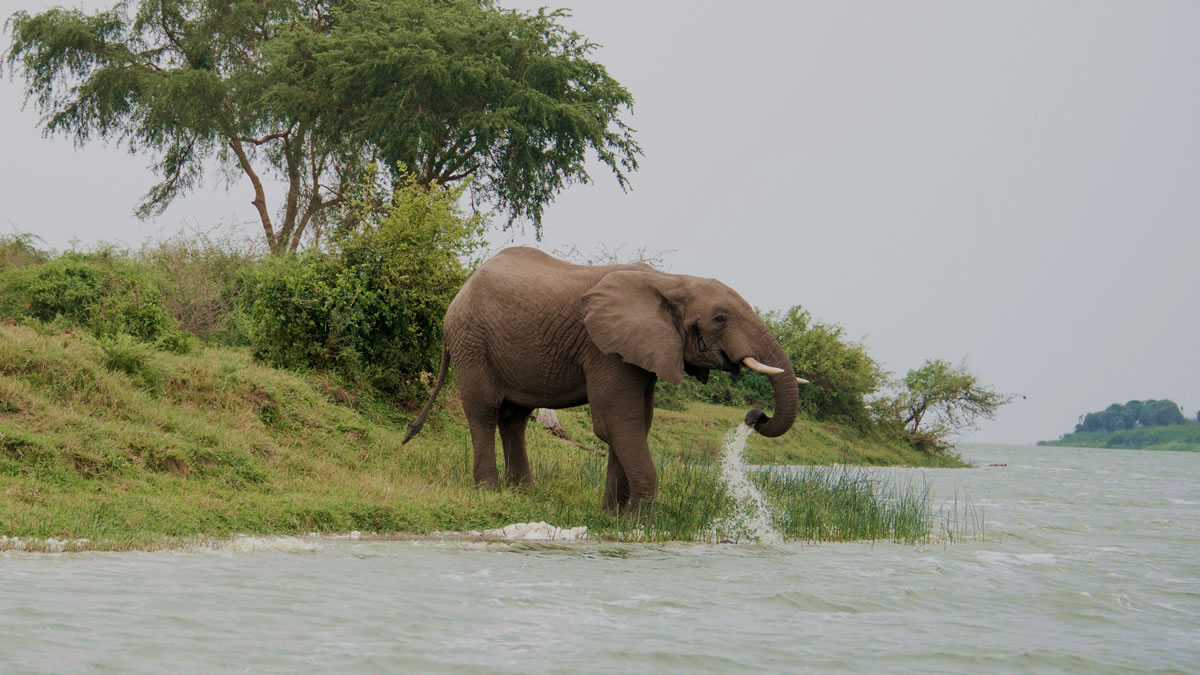
Murchison Falls National Park lies in the northwest, where the Victoria Nile cuts through rock and drops into a thunderous waterfall. The boat trip to the base of the falls is a highlight, with hippos lining the riverbank and elephants coming down to drink. Wildlife drives take you through savannah and woodland, where you may see giraffes, buffalo, lions, and hartebeest. The top of the falls offers a walking path where you can stand just a few feet from the crashing water. This park is also home to chimpanzee tracking in Budongo Forest, making it one of Uganda’s most diverse parks.
Queen Elizabeth – Spot tree-climbing lions and take a cruise on the Kazinga Channel
Queen Elizabeth National Park stretches from Lake Edward to Lake George and offers a mix of savannah, wetland, and volcanic terrain. The Kazinga Channel boat ride is a good way to see hippos, crocodiles, buffalo, and birdlife up close. In the southern sector, near Ishasha, lions rest in fig trees. This behavior isn’t common elsewhere and has made the area well known. Game drives in the north take you across open plains with chances to see elephants, kob, and warthogs. The park also includes volcanic craters with salt lakes, some of which support small-scale salt mining.
Bwindi Impenetrable – Track endangered mountain gorillas in dense forest
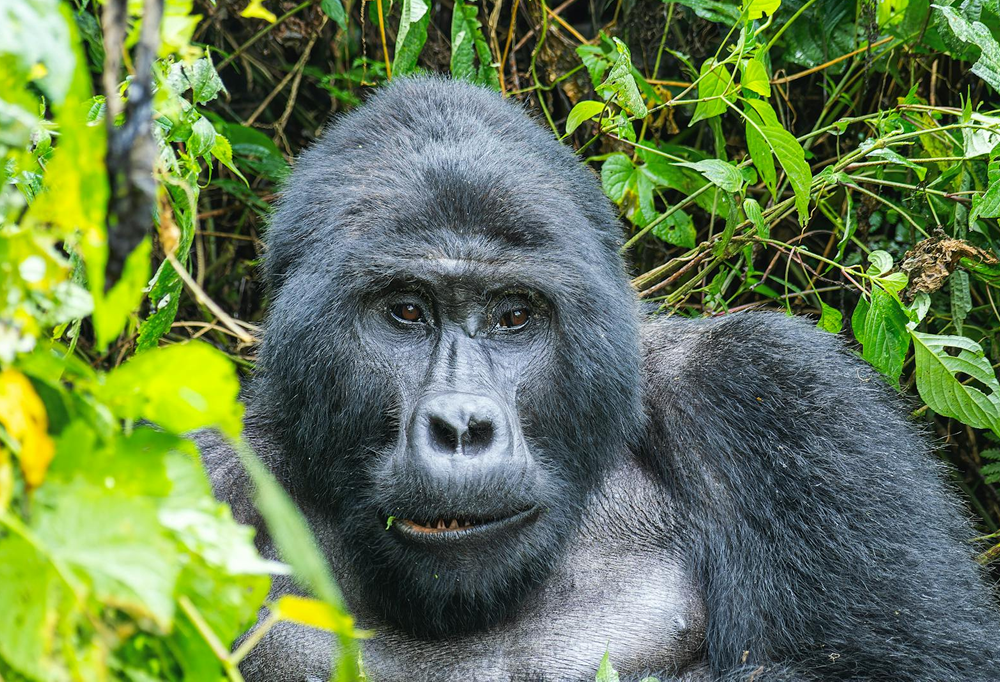
Bwindi sits on the edge of the Albertine Rift and is covered in thick montane forest. It’s the best place in Uganda for gorilla tracking, with multiple family groups spread across four trailheads. The treks can be challenging, with steep slopes and thick vegetation, but the hour spent with the gorillas is often the most memorable part of a visit. In addition to gorillas, Bwindi supports a wide range of birds, butterflies, and small primates. You can also walk to nearby Batwa communities or visit conservation groups that work closely with the local population.
Kibale – Walk among chimpanzees and explore forest trails
Kibale National Park in western Uganda is best known for its chimpanzees. With a high success rate for sightings, guided tracking treks run daily from Kanyanchu. The chimps are habituated to human presence, which makes for a calm but energetic experience as they move through the trees. The park also holds other primates, including red colobus, grey-cheeked mangabeys, and L’Hoest’s monkeys. Outside the forest, nearby wetlands like Bigodi give you a chance to see more birds and smaller wildlife while supporting community tourism projects.
Kidepo Valley – Discover wildlife in Uganda’s most remote savannah
Kidepo lies in the far northeast, near the borders with Kenya and South Sudan. It’s one of the least visited parks, but it has some of the best wildlife viewing in the country. Wide open valleys, distant hills, and few other vehicles make for quiet game drives. Lions often perch on rocky outcrops, and large herds of buffalo move across the plains. Elephants, giraffes, zebras, and ostriches are common. The park is also close to the Karamojong and Ik communities, who live in traditional homesteads and welcome visitors with the help of local guides.
Lake Mburo – Explore open plains close to Kampala
Lake Mburo is the closest national park to Kampala and makes a good stop for short trips or the drive to western Uganda. It’s the only park in the country with impalas and is also home to zebras, elands, and hippos. Boat rides on the lake give you a quiet view of crocodiles and water birds, including African fish eagles and pied kingfishers. The park allows for guided walks, which let you get closer to wildlife on foot. Horseback safaris are also available, giving you another way to explore without a vehicle.
Mgahinga – Climb volcanic peaks and meet mountain gorillas
Mgahinga Gorilla National Park is located in the far southwest and shares a border with Rwanda and the Democratic Republic of Congo. It has one habituated gorilla family and also supports golden monkey tracking. The park is small but dramatic, with volcanic cones, bamboo forests, and caves. Hikes to the summit of Mount Sabinyo, Mount Gahinga, or Mount Muhabura offer strong views into three countries. Mgahinga is also a place where you can visit the Batwa Trail, which is led by Batwa guides and focuses on their history and survival skills in the forest.
Mount Elgon – Hike to waterfalls and crater ridges in eastern Uganda
Mount Elgon sits on the Uganda-Kenya border and features one of the largest volcanic calderas in the world. The park offers multi-day treks to the summit, Wagagai, but you can also enjoy short day hikes to waterfalls, caves, and viewpoints. The lower slopes are covered with forest, while the higher elevations have heath and moorland. Fewer visitors come here compared to other mountain parks, making it a good option if you’re looking for a quiet hike without large groups. The nearby Sipi Falls area adds another reason to include this part of Uganda in your plans.
Semuliki – Discover hot springs and forest wildlife on the Congo border
Semuliki National Park lies in a lowland forest area along the western edge of Uganda. The park is often hot and humid and supports species that are more common in Central Africa than in East Africa. Birdwatchers come here for rare species, and primate fans may spot De Brazza’s monkeys and other forest dwellers. The Sempaya hot springs are the park’s best-known feature, with boiling geysers and steam vents surrounded by palms. Short trails lead through forest to the springs and offer good chances to see hornbills, monkeys, and butterflies.
Rwenzori Mountains – Trek through alpine landscapes and glaciers
The Rwenzori Mountains run along the border with the DRC and hold the third-highest peak in Africa, Mount Stanley. Multi-day treks take you deep into the mountain range, where you pass through rainforest, bamboo, giant heather, and glacier-carved valleys. The Central Circuit and Kilembe Route are the main trekking paths, with huts along the way for overnight stays. While it’s not a typical wildlife park, the Rwenzoris offer a challenge and reward for travelers who want high-altitude hiking in a less-traveled setting.
Each of Uganda’s national parks offers more than just animals or views. They give you ways to meet local guides, take part in conservation efforts, and move through some of the most varied landscapes in East Africa. Whether you choose to focus on one region or build a loop through the country, the parks will shape your experience of Uganda.