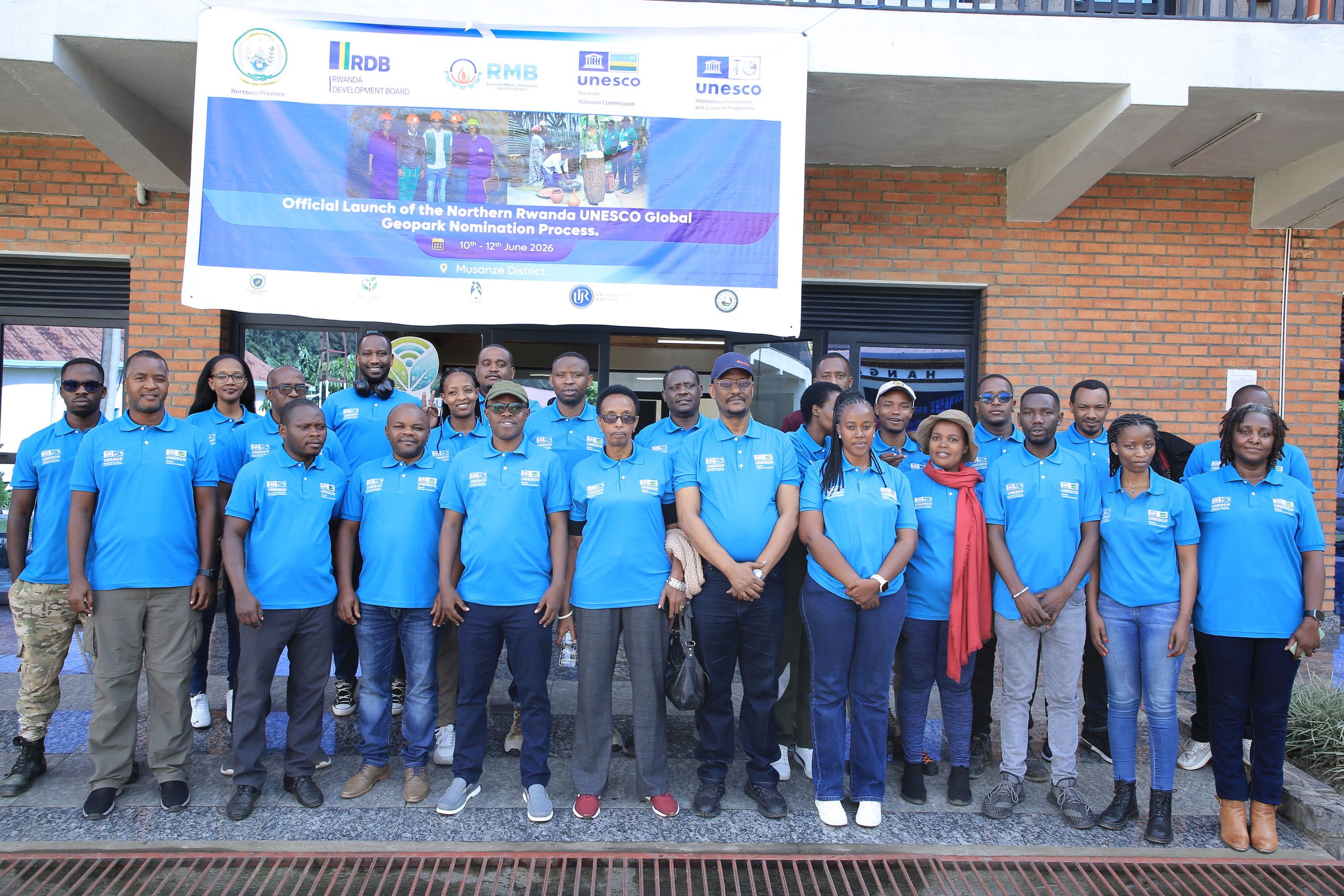
Northern Rwanda has always attracted visitors looking for mountain gorillas, volcanic landscapes, and rich cultural experiences. Now the region is gaining attention for another reason. Rwanda’s vision to establish a UNESCO Global Geopark is opening a new chapter in the country’s tourism story.
The proposed Rwanda UNESCO Geopark aims to protect remarkable geological sites while creating new opportunities for education, research, conservation, and community tourism. If successful, it would place Northern Rwanda among a select group of destinations recognized for their outstanding geological heritage.
For travelers, this means there will soon be even more reasons to visit beyond gorilla trekking. For local communities, it creates opportunities for sustainable tourism that values nature, history, and culture together.
What Is a UNESCO Global Geopark?
A UNESCO Global Geopark is a region with geological sites that hold international significance. These landscapes are protected not only because they are beautiful, but because they tell the story of how the Earth has changed over millions of years.
Unlike national parks that mainly focus on wildlife conservation, a geopark combines geology, biodiversity, local culture, education, and tourism. The goal is to preserve these natural features while helping local people benefit through responsible tourism.
A UNESCO Global Geopark does not stop people from living or working within the area. Instead, it encourages communities to protect their natural heritage while creating jobs through tourism, guiding, hospitality, handicrafts, and educational activities.
This balanced approach has made geoparks successful in many countries around the world.
Why Northern Rwanda?
Northern Rwanda is home to some of East Africa’s most remarkable volcanic landscapes. The region includes the Virunga Mountains, ancient lava flows, volcanic craters, caves, lakes, and fertile highlands shaped by volcanic activity.
These landscapes have been forming over thousands of years. They provide scientists with valuable information about the geological history of the Albertine Rift and the Great Rift Valley.
The proposed Rwanda UNESCO Geopark brings these geological treasures together under one vision. It recognizes that the area’s rocks, volcanoes, wildlife, and communities are all connected.
Visitors who come for gorilla trekking often discover breathtaking scenery, mountain hiking, traditional villages, and fascinating stories about the formation of the Virunga volcanoes. A geopark would encourage travelers to explore these experiences in greater depth.
The Volcanoes That Define the Region
Northern Rwanda is famous for its chain of volcanoes stretching across Rwanda, Uganda, and the Democratic Republic of Congo.
Some of the best-known volcanoes include:
Mount Karisimbi
Mount Bisoke
Mount Muhabura
Mount Gahinga
Mount Sabyinyo
These volcanic peaks dominate the landscape and create one of Africa’s most scenic mountain environments.
Over centuries, volcanic eruptions produced rich soils that support farming across the region. They also created crater lakes, caves, and unique ecosystems that attract visitors throughout the year.
Many hiking adventures begin on these mountains, giving travelers spectacular views while introducing them to the geological forces that shaped Rwanda.
More Than Gorilla Tourism
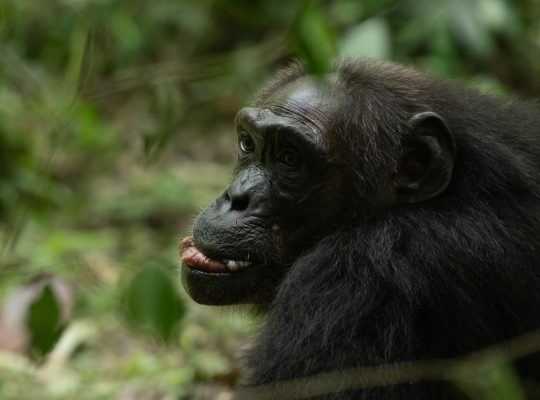
Gorilla trekking remains Rwanda’s most famous attraction. Thousands of visitors travel to Volcanoes National Park each year to see endangered mountain gorillas in their natural habitat.
The Rwanda UNESCO Geopark vision expands the tourism experience beyond wildlife.
Visitors can explore lava caves formed by ancient eruptions, hike volcanic peaks, visit cultural villages, learn about traditional farming practices, and discover the stories hidden within the region’s rocks.
This creates longer travel itineraries and encourages visitors to spend more time in Northern Rwanda.
Longer stays benefit hotels, restaurants, local guides, transport providers, artisans, and many small businesses across the region.
Geological Attractions Worth Exploring
Northern Rwanda offers several natural features that make it an excellent candidate for UNESCO Global Geopark recognition.
Musanze Caves
The Musanze Caves were formed by volcanic lava flows thousands of years ago. Walking through these underground passages gives visitors a close look at the region’s volcanic history.
The caves also served as shelters for local communities during different periods of history.
Today they are one of the area’s most interesting geological attractions.
Twin Lakes
Lake Burera and Lake Ruhondo sit beneath the Virunga volcanoes, creating one of Rwanda’s most beautiful landscapes.
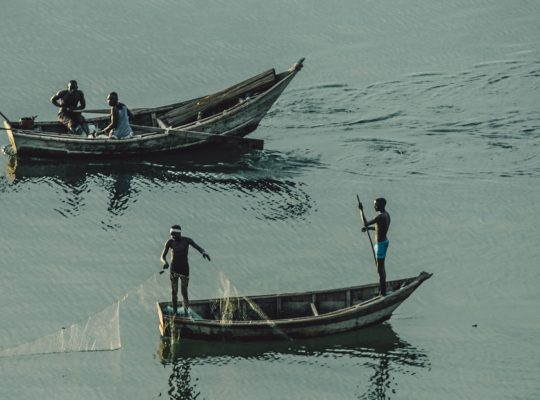
The lakes offer boat trips, bird watching, photography, and peaceful scenery that contrasts with the rugged volcanic mountains nearby.
Their formation is closely linked to volcanic activity that reshaped the region many years ago.
Volcanic Peaks
Each volcano tells a different geological story.
Mount Bisoke features a stunning crater lake near its summit.
Mount Karisimbi stands as the highest volcano in the Virunga range.
Mount Muhabura offers rewarding hikes with sweeping views across Rwanda and Uganda.
These mountains combine adventure with geological education.
Connecting Nature and Culture
The Rwanda UNESCO Geopark is not only about rocks and volcanoes.
The people of Northern Rwanda have lived alongside these landscapes for generations. Their traditions, farming methods, music, crafts, and stories form an important part of the region’s identity.
Visitors can experience cultural performances, traditional cooking, basket weaving, local markets, and community tourism initiatives.
These experiences help preserve cultural heritage while providing income for local families.
A geopark recognizes that landscapes and communities grow together. Protecting one also helps protect the other.
Supporting Sustainable Tourism
Sustainable tourism has become one of Rwanda’s biggest priorities.
Instead of focusing only on visitor numbers, the country aims to create tourism that benefits local communities while protecting natural resources.
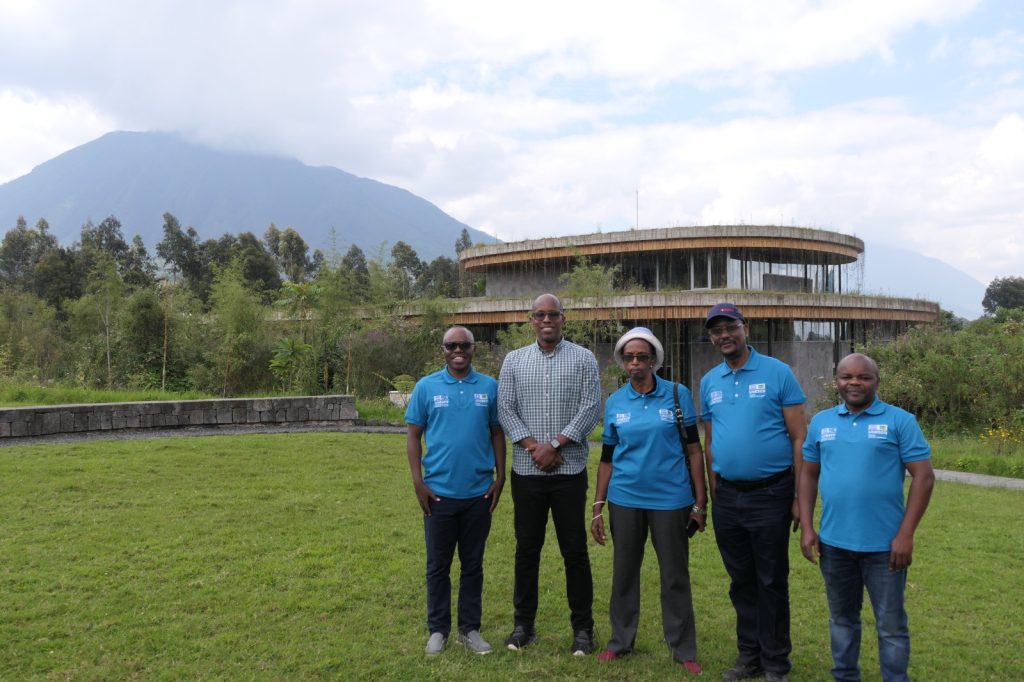
The Rwanda UNESCO Geopark supports this goal.
Visitors are encouraged to respect the environment, support local businesses, hire community guides, and learn about conservation.
This creates a tourism model where economic growth goes hand in hand with environmental protection.
Travelers increasingly look for authentic experiences that leave a positive impact. The geopark concept matches this growing demand.
Opportunities for Local Communities
Tourism creates jobs across many sectors.
As interest in Northern Rwanda grows, communities can benefit through:
Local guiding services
Guesthouses and lodges
Cultural performances
Craft markets
Restaurants
Transport services
Agricultural products supplied to tourism businesses
Educational tourism activities
Young people also gain opportunities to train as guides, conservation educators, hospitality professionals, and tourism entrepreneurs.
This helps tourism income reach more families across the region.
Why UNESCO Recognition Matters
UNESCO recognition carries international credibility.
Travelers often seek destinations with UNESCO status because they know these places have outstanding natural or cultural value.
A successful Rwanda UNESCO Geopark would strengthen Rwanda’s reputation as a leading destination for nature-based tourism.
It could also attract researchers, students, conservation experts, and travelers interested in geology and environmental education.
International recognition often increases investment in visitor facilities, research programs, conservation projects, and local tourism businesses.
A New Way to Experience Northern Rwanda
Many visitors currently spend two or three days in Northern Rwanda for gorilla trekking.
The geopark vision encourages people to stay longer.
A visitor could spend several days hiking volcanoes, exploring lava caves, visiting local communities, kayaking on the Twin Lakes, bird watching, learning about geology, and enjoying cultural experiences.
This creates richer travel experiences while spreading tourism income across more attractions.
It also reduces pressure on a single tourism activity by encouraging visitors to discover the wider region.
Planning Your Visit
If you plan to visit Northern Rwanda, consider building an itinerary that combines wildlife, nature, and culture.
Popular activities include:
Gorilla trekking in Volcanoes National Park
Hiking Mount Bisoke
Climbing Mount Karisimbi
Exploring the Musanze Caves
Visiting Lake Burera and Lake Ruhondo
Touring local villages
Experiencing traditional dance performances
Learning about conservation projects
Bird watching in the volcanic highlands
Visiting local craft markets
Combining several activities gives you a deeper understanding of why this region is attracting global attention.
The Future of Rwanda’s UNESCO Geopark Vision
The Rwanda UNESCO Geopark represents more than a tourism project.
It reflects Rwanda’s long-term commitment to conservation, education, community development, and sustainable travel.
Northern Rwanda already offers world-class wildlife experiences. The geopark vision adds another layer by celebrating the geological forces that created these landscapes and the communities that continue to protect them.
As international interest grows, travelers can expect new educational trails, improved visitor experiences, stronger community tourism initiatives, and greater awareness of the region’s geological heritage.
For anyone planning a trip to East Africa, Northern Rwanda is becoming much more than a stop for gorilla trekking. It is developing into a destination where nature, geology, culture, and conservation come together to create a richer travel experience.
The Rwanda UNESCO Geopark vision is helping tell that story, and it is one that deserves a place on every traveler’s itinerary.