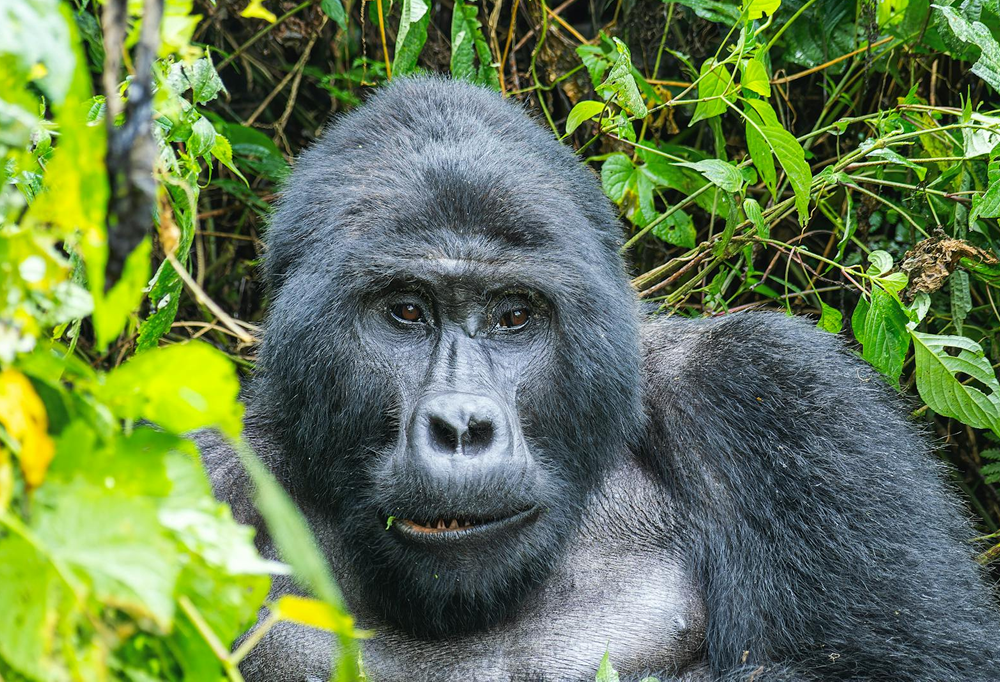
Gorilla trekking in Uganda and Rwanda is a powerful experience. You see mountain gorillas in their forest home. It feels wild and authentic. But this access is a privilege. Mountain gorillas are endangered. They are also incredibly vulnerable to human illnesses. Your visit must be responsible. The rules are not suggestions. They are essential protections for the animals and for you. This guide breaks down every rule you need to know. It covers your walk to the gorillas, your time with them, and the health protocols you must follow. Learn these rules. They ensure your trek is safe, ethical, and unforgettable.
Why These Rules Matter
First, understand the purpose. The rules exist for two main reasons. They protect gorilla health. They also ensure gorilla behavior remains natural. Mountain gorillas share about 98% of our DNA. This makes them susceptible to human diseases. A common cold can become a fatal illness for a gorilla. Their populations are slowly recovering because of strict conservation. Your ticket fee funds this work. Your compliance with the rules is just as important. By following these guidelines, you become a partner in conservation. You help ensure these gorillas thrive for future trekkers.
On the Way to the Gorillas
Your responsibility starts before you see a gorilla. The trek through the forest is part of the experience. How you act during this time sets the stage.
Groups Are Limited to Eight Visitors
Only eight people can visit a habituated gorilla family each day. This limit minimizes stress on the gorillas. It reduces the risk of disease transmission. It also makes the experience more intimate for you. Your group size is small for a reason. Respect this limit. Do not ask to join a group if it is full.
Wash Your Hands Before the Trek
You must wash your hands thoroughly with soap and water at the briefing point. This simple act removes germs. It is your first direct step in protecting gorilla health. Do not skip it.
Keep Your Voice Low
Speak in low tones during the hike. Loud noises disturb forest wildlife. They can also alarm the gorillas before you arrive. Use quiet voices. Listen to the forest sounds. Your guides will use soft whistles or hand signals. Follow their lead.
Stay With Your Guide and Group
Your ranger and trackers are experts. They know the terrain and gorilla movements. Stay close to them. Do not wander off the path. Straying can damage fragile plants. It can also separate you from the group. The forest is dense. Keeping the group together is a safety priority.
Carry All Your Waste Out
Do not leave anything in the forest. This includes water bottles, food wrappers, and tissues. Put all trash in your backpack. Take it back to your lodge. The parks are pristine ecosystems. Your litter can harm plants and animals. Practice zero impact.
Turn Off Your Camera Flash
Prepare your camera settings during the briefing. Ensure your flash is deactivated. A sudden flash in the forest can startle any animal, including gorillas. Check this twice. It is a common mistake with serious consequences.
Respect the Path
The trail may be muddy or steep. Stay on it. Avoid grabbing vegetation for support unless your guide shows you a safe plant to touch. This protects you and the forest. Watch your step. Be alert.
When You Are With the Gorillas
This is the moment you came for. Emotions run high. You must manage your excitement. Calm behavior is non-negotiable. The viewing hour passes quickly. Your composure ensures it is safe for everyone.
Maintain a Ten Meter Distance
You must stay at least ten meters from the gorillas at all times. This is the most critical rule. Rangers will enforce it. The distance creates a buffer zone. It reduces the chance of disease spread. Sometimes a gorilla may move toward you. If this happens, you will slowly back away or stay still as instructed. Do not approach a gorilla, even for a photo.
Wear Your Face Mask
You must wear a surgical or medical-grade face mask during the entire viewing. This rule is mandatory in both Uganda and Rwanda. Masks protect gorillas from airborne pathogens. Fit your mask properly over your nose and mouth before you reach the gorillas. Do not lower it to talk or take a photo.
Move Slowly and Quietly
Sudden movements are threats in the animal world. Move with deliberate calm. If you need to adjust your position, do it slowly. When a gorilla looks at you, lower your gaze. Do not stare directly into their eyes. A calm demeanor tells the gorillas you are not a threat.
Do Not Eat or Drink
Consuming food or drinks near the gorillas is prohibited. The smell can attract them. It can alter their natural foraging behavior. It also increases the risk of dropping crumbs or contaminating the area. Have your water and snacks secured in your pack. Wait until you have left the gorillas far behind.
Never Touch a Gorilla
Touching is forbidden. It does not matter if a young gorilla seems curious and comes close. You must not reach out. Contact can transmit germs both ways. It also teaches gorillas that humans are not to be feared, which is dangerous for their long-term safety. Admire them with your eyes, not your hands.
Photograph Without Flash
You can take photos and videos. Your camera must remain on silent. Your flash must stay off. Use natural light. Sometimes the forest is dim. Adjust your camera settings beforehand for low-light conditions. The ranger may ask you to stop filming if it disturbs the gorillas. Respect their instruction immediately.
Control Your Reactions
Gorillas may beat their chests, vocalize, or move quickly. This is normal. If you feel startled, stay quiet. Do not scream or run. Your guide will tell you what to do. Typically, you will crouch down and look away. Trust your ranger completely in these moments.
The One Hour Limit
Your visit lasts exactly one hour. The clock starts when the group is settled near the gorilla family. The ranger will signal when time is up. You must leave promptly, even if the gorillas are active. This limit reduces habituation stress. Do not ask for more time.
General Health Rules
Your physical health is a direct factor in gorilla health. The screening process is strict. Be honest and prepared.
Do Not Trek If You Are Ill
This is the most important health rule. If you have a contagious illness, you cannot trek. This includes a cold, flu, cough, fever, or stomach bug. Gorillas have died from human respiratory infections. Your permit cost is not more important than their lives. If you are sick, report it at your briefing. You may receive a partial refund or chance to reschedule, depending on the park policy. Trekking while sick is irresponsible.
Use Sanitizer
You will sanitize your hands at the briefing point after washing. You should also carry your own sanitizer. Use it before touching your camera or face during the trek. Sanitize again after leaving the gorillas.
Cover Your Mouth If You Cough or Sneeze
Even with a mask, turn your body fully away from the gorillas. Cough or sneeze into the crook of your elbow. Do this quickly and discreetly. Then, if needed, signal your guide you wish to move further back.
Be Physically Prepared
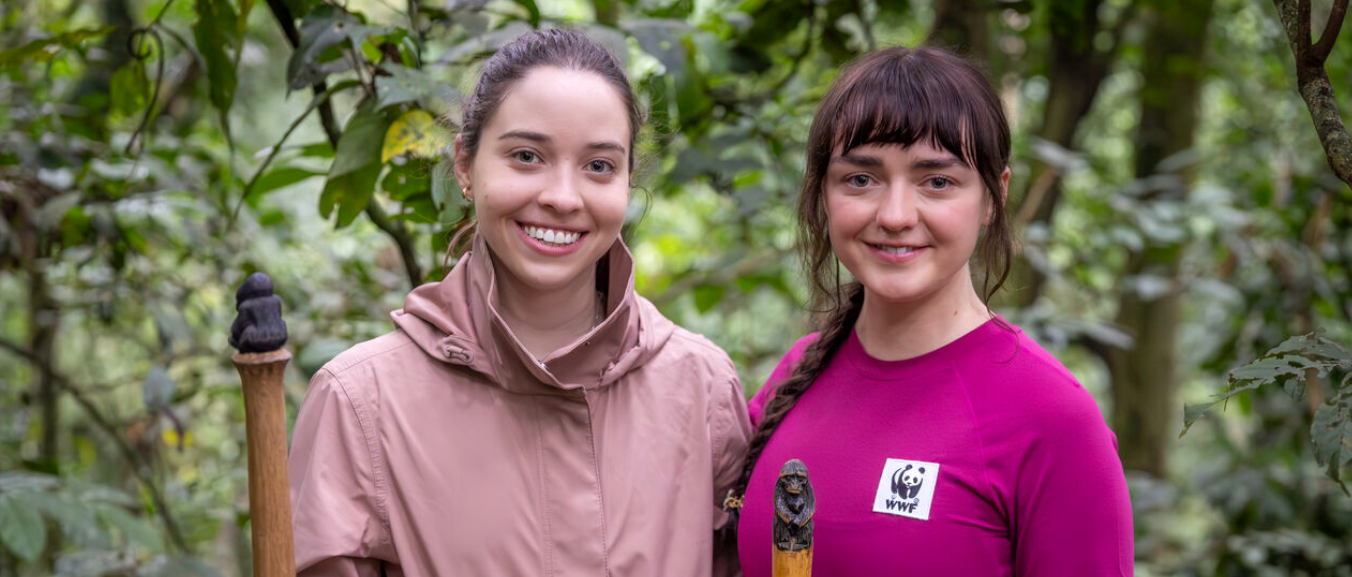
Gorilla trekking is hiking. It can be strenuous. Treks can last from 30 minutes to over 4 hours each way through steep, muddy terrain at high altitude. You need a reasonable level of fitness. Being physically fit helps you keep your balance. It prevents falls. It also helps you stay calm. If you are struggling for breath, you cannot focus on the rules. Train with hikes before your trip. Know your limits. Walking sticks are provided and help greatly.
Your Role in Conservation
Following these rules completes the conservation cycle. Your permit fee pays for ranger salaries, anti-poaching patrols, and community projects. Your compliant behavior during the trek protects the gorillas that revenue is meant to save. You are a guest in their home. Act like one.
Prepare for Your Trek
Now you know the rules. Preparation is key. Pack your daypack with rain gear, water, and snacks. Bring your passport for the briefing. Wear sturdy hiking boots. Break them in first. Practice with your camera. Book your permit well in advance through the Uganda Wildlife Authority or Rwanda Development Board.
The memory of locking eyes with a wild gorilla will stay with you. It is a moment of profound connection. That moment is possible because of the rules. They are simple, clear, and vital. Follow them completely. You will have the experience of a lifetime. You will also know you helped protect one of our planet’s most majestic creatures.